
Understanding What You’ll Pay for a New Roof
The cost to reroof a home typically ranges from $5,755 to $12,498, with a national average of $9,117. For homeowners considering a full roof replacement, understanding the key cost factors is the first step toward a successful project. This investment protects your home from Texas weather and is crucial for its long-term integrity, making it essential to partner with a trusted Pasadena roofing contractor.
Quick Cost Breakdown:
- Average cost per square foot: $4.35–$11
- Labor costs: 60% of total (typically $1.50–$3.00 per sq. ft.)
- Materials costs: 40% of total
- Typical timeline: 1-2 days for standard homes
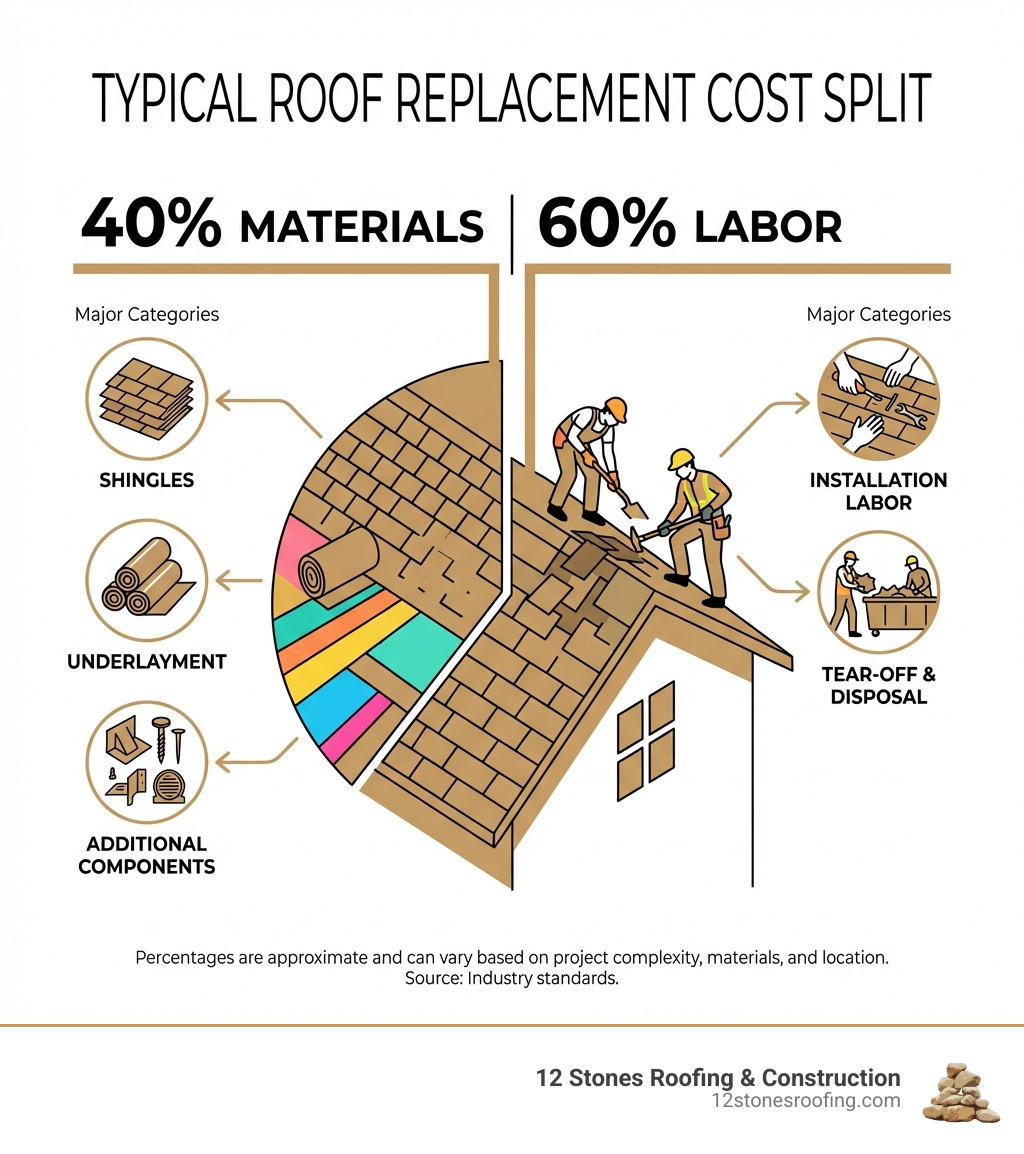
Key factors that affect your final bill include your choice of roofing material, the roof’s size and pitch, its complexity, and local labor rates. The total price breaks down into two main components: materials (40%) and labor (60%). However, many homeowners don’t anticipate additional costs like permits, inspections, underlayment, and flashing until the project is underway. This guide draws from real-world project data to give you a clear picture of what to expect.
Cost to reroof a home helpful reading:
The National Average Cost to Reroof a Home
The national average cost to reroof a home is approximately $9,117, but most projects fall between $5,755 and $12,498. A key insight for budgeting is the “40/60 rule”: about 40% of your total cost covers materials, while the remaining 60% pays for skilled labor. For an $8,000 asphalt shingle roof, this means $3,200 for materials and $4,800 for installation.
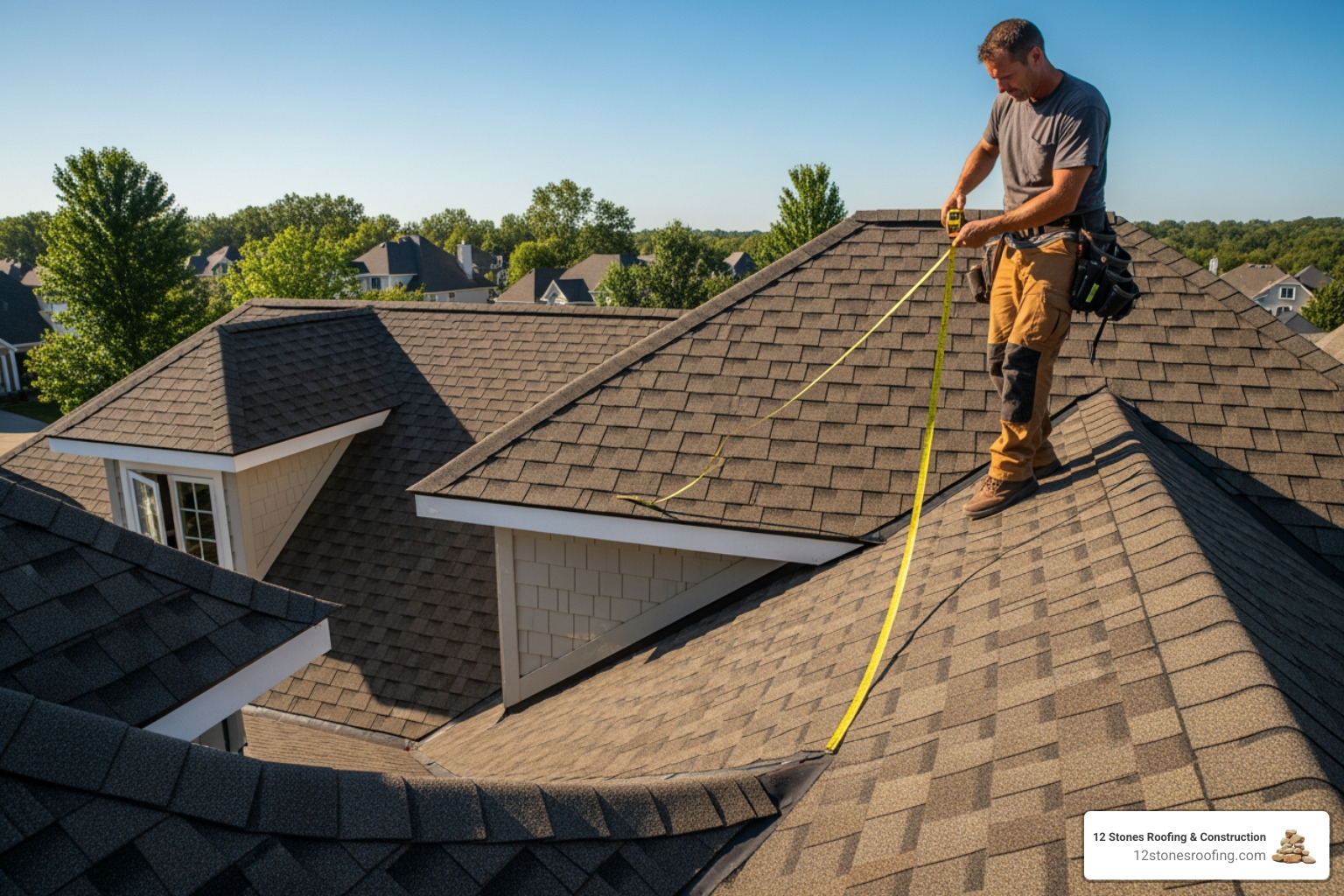
To calculate costs, roofing contractors measure in “squares,” where one square equals 100 square feet. A 1,700-square-foot roof is 17 roofing squares.
Understanding the Cost Per Square Foot
The average cost per square foot to reroof a home ranges from $4.35 to $11. This wide range reflects how material choice and project complexity affect the final price. Budget-friendly asphalt shingles are on the lower end, while premium materials like slate or metal are on the higher end.
This table shows average replacement costs for a standard asphalt shingle roof by size:
| Roof Size (Square Feet) | Roofing Squares | Average Total Replacement Cost (Asphalt Shingles) |
|---|---|---|
| 1,500 sq. ft. | 15 | $7,441 |
| 1,700 sq. ft. | 17 | $6,000 – $9,000 (average $8,408) |
| 2,000 sq. ft. | 20 | $8,927 – $9,858 |
| 2,500 sq. ft. | 25 | $12,275 |
| 3,000 sq. ft. | 30 | $14,691 |
(Data compiled from various industry sources and averages)
As the table illustrates, roof size is a primary driver of the overall expense.
How Labor Influences the Overall Price
Labor is the largest portion of the cost to reroof a home, accounting for about 60% of the total. This covers tear-off of old materials, roof deck preparation, installation of all new components, and cleanup. For asphalt shingles, labor typically costs $1.50 to $3.00 per square foot, but this can rise to $7 per square foot for more difficult jobs.
Factors that increase labor costs include:
- Steep Roof Pitch: Roofs with a steep slope require extra safety equipment and more time, increasing labor.
- Complex Designs: Features like dormers, skylights, and valleys require more intricate cutting and flashing work.
- Material Type: Specialized materials like metal or tile take longer to install than asphalt shingles.
- Multiple Layers: Removing multiple layers of old shingles adds significant time and effort to the tear-off process.
Key Cost Factors: What Determines Your Final Bill?
While averages are a good starting point, your specific cost to reroof a home depends on your property’s unique characteristics. The final price is determined by the materials used, the roof’s size, and its structural complexity.
Roofing Materials: A Cost and Lifespan Comparison
Your choice of roofing material is the single biggest factor influencing your total expense. Materials vary not only in upfront cost but also in lifespan, which affects their long-term value.
Here is a breakdown of common roofing materials with their average costs and lifespans:
-
Asphalt Shingles: The most popular and budget-friendly option in the U.S.
- Cost: $3.40 – $5.95 per sq. ft.
- Lifespan: 15-30 years.
- Insight: Offers great value, versatility in style and color, and reliable weather protection.
-
Metal Roofing: A durable choice that is increasingly popular for its resistance to severe weather.
- Cost: $6.00 – $24.50 per sq. ft.
- Lifespan: 50-75 years.
- Insight: While the upfront cost is higher, metal roofs offer superior longevity, low maintenance, and excellent resistance to wind and leaks. Learn more in our Metal Roof Replacement Cost Complete Guide.
-
Tile Roofing (Clay or Concrete): A classic, highly durable material with a distinct aesthetic.
- Cost: $6.30 – $12.30 per sq. ft.
- Lifespan: 50-100+ years.
- Insight: Renowned for longevity, but its heavy weight may require a structural assessment.
-
Wooden Shakes/Shingles: Provides a natural, rustic appearance.
- Cost: $6.00 – $9.15 per sq. ft.
- Lifespan: 20-25 years.
- Insight: Aesthetically pleasing but requires more maintenance and is less fire-resistant than other options.
-
Slate Roofing: A premium material offering unparalleled elegance and longevity.
- Cost: $23.49 – $31.77 per sq. ft.
- Lifespan: 125-200 years.
- Insight: A slate roof can last for generations, but the initial investment is significant, and it requires a robust roof structure to support its weight.
How Roof Size, Pitch, and Complexity Affect Cost
Beyond materials, the physical attributes of your roof heavily influence the final cost to reroof a home.
-
Roof Size: A larger roof requires more materials and labor, directly increasing the total cost. The roof’s surface area is always larger than the home’s footprint due to its pitch and overhangs.
-
Roof Pitch (Steepness): Pitch is measured as the vertical rise for every 12 inches of horizontal run (e.g., 6/12). Roofs with a pitch of 7/12 or higher are considered steep and can add $1,000 to $3,000 to the project cost. This is due to the need for specialized safety equipment and the increased labor time.
-
Complexity: Intricate roof designs with features like dormers, skylights, valleys, and multiple intersecting planes increase costs. Each feature requires custom cutting, fitting, and flashing, which adds to both material and labor expenses.
Uncovering Hidden Costs: What Else to Budget For?
When budgeting for the cost to reroof a home, it’s important to look beyond the shingles and basic installation. Several essential items, often considered “hidden costs,” are critical for a durable, compliant roof replacement.
The Price of Preparation and Cleanup
Before new materials are installed, the old roof must be removed. This “tear-off” and disposal process is a significant cost factor.
- Old Roof Removal & Disposal: Tearing off and disposing of existing roofing material typically costs $1 to $5 per square foot. This covers the labor to strip old materials and the fees for dumpster rental and hauling.
- Multiple Shingle Layers: If previous roofers installed new shingles over old ones, the tear-off process becomes more labor-intensive and costly, as each layer adds weight and complexity to the removal.
Essential Components Beyond the Shingles
A roof is a complete system. These often-overlooked components are vital for protecting your home:
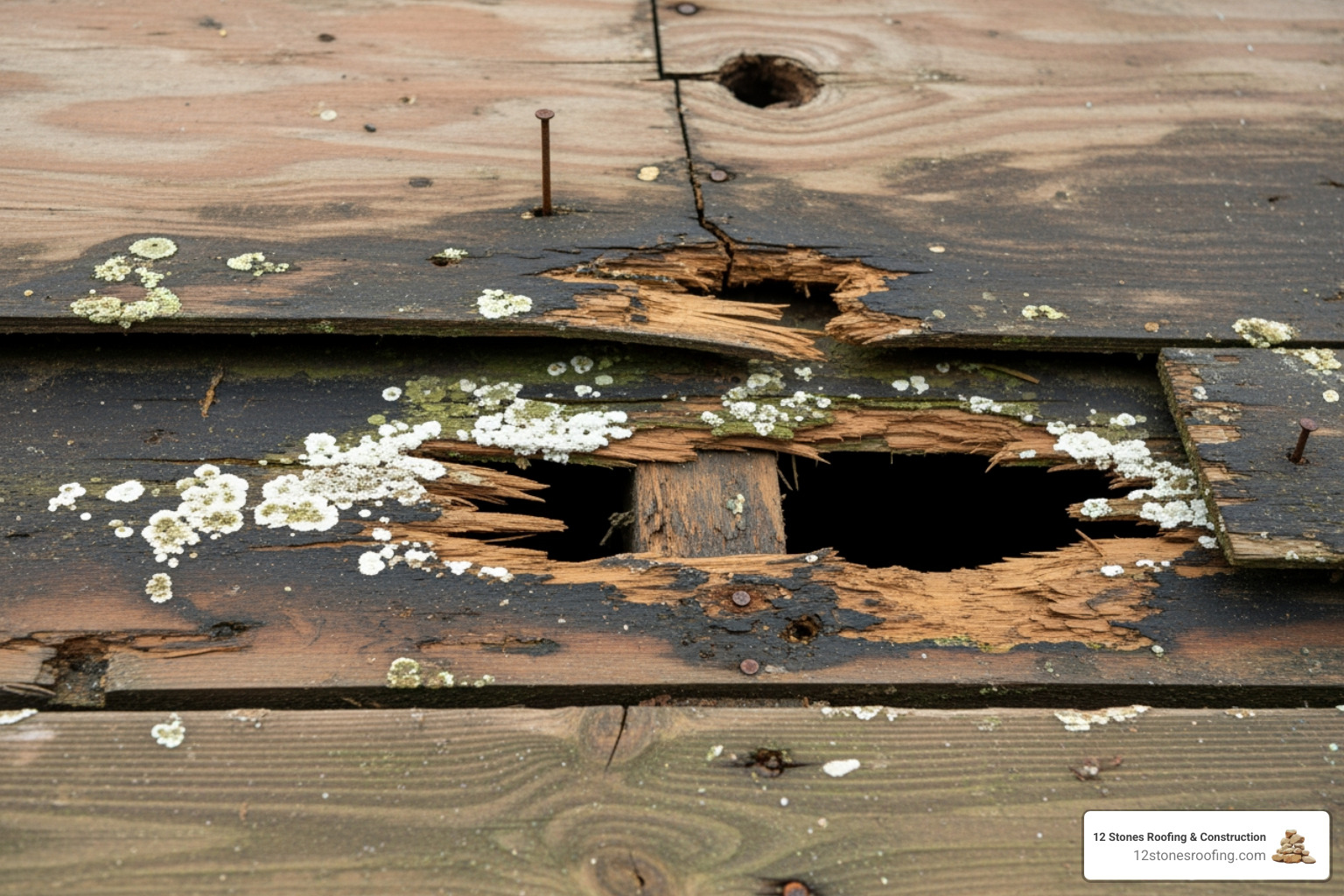
- Roof Decking Repair: The roof deck is the wooden base for your roof. If any rot or damage is found during tear-off, it must be replaced at a cost of $2.20 to $3.00 per square foot. Ignoring this can compromise the entire structure.
- Underlayment: This waterproof barrier sits between the deck and shingles. New synthetic underlayment costs $1.50 to $2.10 per square foot and provides a crucial secondary defense against water.
- Flashing, Pipe Boots, and Drip Edge: These metal components seal vulnerable areas like chimneys, vents, and roof edges to prevent leaks. Flashing costs $9.00 to $11.00 per foot, while pipe boots cost $63.00 to $85.00 each.
- Fascia and Soffits: These boards along the roof’s edge may also need repair or replacement, costing $4.25 to $8.62 per linear foot for fascia and $2.80 to $5.28 per linear foot for soffits.
Permits, Inspections, and Warranties
Administrative costs are necessary to ensure your project is safe, compliant, and protected.
- Building Permits: Most municipalities require a permit for a roof replacement, costing anywhere from $100 to $1,400. This ensures the work meets local building codes.
- Inspections: A final inspection by a city official is typically required to close out the permit. Additional private inspections can offer extra peace of mind.
- Warranties: Reputable contractors provide a workmanship warranty, while manufacturers offer a separate warranty against material defects. Proper installation is essential to keep these warranties valid.
Smart Savings: How to Reduce Your Roof Replacement Cost
The cost to reroof a home can be significant, but strategic planning can help you save money without sacrificing quality.
Repair vs. Replace: Making the Right Financial Call
First, determine if you need a full replacement or if a repair is sufficient. A professional inspection can provide a clear answer.
-
When to Repair: A repair is often the best choice for minor, localized damage on a roof that is less than 15 years old. The average roof repair costs between $379 and $1,763, which is far less than a full replacement.
-
When to Replace: A replacement is necessary for widespread damage, an aging roof (20+ years for asphalt), or underlying structural issues like sagging. If repair costs are extensive, a full replacement is a more sound long-term investment.
Our Complete Roof Replacement Guide offers more detail on making this decision.
Strategic Ways to Lower the Cost to Reroof a Home
If a replacement is needed, use these tips to manage the cost:
- Get at least three quotes: Comparing bids from reputable contractors is the best way to ensure fair pricing. Be cautious of unusually low bids, as they may signal subpar materials or labor.
- Schedule in the off-season: Demand for roofing is highest in late spring and summer. Scheduling your project in the winter or early spring can sometimes result in better pricing.
- Choose cost-effective materials: Architectural asphalt shingles provide an excellent balance of affordability, durability, and aesthetics.
- Ask about financing: Many contractors offer financing options to make the project more manageable by spreading the cost over time.
- Use homeowners insurance: If damage was caused by a storm or other covered event, your insurance may cover a large portion of the cost.
The Long-Term Value of a New Roof
While the upfront cost to reroof a home is substantial, a new roof is an investment in your property’s value, safety, and efficiency. The benefits extend far beyond simply keeping out the rain.
Understanding the Return on Investment (ROI)
A new roof is a foundational improvement that significantly boosts your home’s value and marketability. According to Remodeling‘s 2023 Cost vs. Value Report, a new asphalt shingle roof can recoup 59% of its cost upon resale, while a metal roof can recoup 48%.
- Higher Resale Value: A new roof is a major selling point, signaling to buyers that the home is well-maintained and free of pending major repairs. This often leads to a higher asking price and a faster sale.
- Improved Curb Appeal: A fresh, modern roof dramatically improves your home’s exterior, creating a strong first impression.
Beyond the Numbers: Energy Efficiency and Home Protection
A new roof also improves your daily comfort and your home’s long-term health.
- Energy Savings: “Cool roofs” are designed to reflect more sunlight and absorb less heat, which is ideal for the Texas climate. According to the U.S. Department of Energy, these roofs can reduce cooling costs by up to 15%. Our Energy Efficient Roof Replacement guide has more information.
- Superior Protection: A new roof installed to modern standards offers superior protection against wind, hail, and heavy rain. This proactive measure prevents costly interior water damage and provides peace of mind during storm season. Learn more in our guide to Wind Damage Roof Replacement.
- Structural Integrity: An old, failing roof can lead to rot, mold, and compromised structural integrity. A replacement eliminates these risks, safeguarding your home for years to come.
Frequently Asked Questions about the Cost to Reroof a Home
Here are answers to some of the most common questions homeowners have about roof replacement costs.
How does my location affect roofing costs?
Your location significantly impacts the cost to reroof a home. Key regional factors include:
- Labor Rates: Costs vary between cities and states based on the local economy and cost of living.
- Material Availability: Proximity to suppliers can affect material and shipping costs.
- Building Codes: Local codes, especially in coastal areas, may require specific materials or installation techniques that increase costs. The requirements for roofing services in Pasadena, TX, for example, are influenced by coastal weather standards.
- Climate: The local climate dictates the best material choices, which can affect the price.
How long does a roof replacement take?
A typical asphalt shingle roof replacement on a standard-sized home can often be completed in 1-2 days, weather permitting. However, the timeline can be extended by:
- Roof Size and Complexity: Larger or more intricate roofs take longer.
- Weather: Rain, wind, or extreme temperatures can cause delays.
- Material Type: Specialized materials like metal or tile require more installation time.
- Unexpected Repairs: Finding and repairing damaged decking will add time to the project.
Will my homeowner’s insurance cover a new roof?
Homeowner’s insurance typically covers roof replacement only if the damage is from a sudden, accidental event like a storm, fire, or fallen tree. It generally does not cover replacement due to old age, normal wear and tear, or lack of maintenance.
Before coverage applies, you must pay your deductible. It’s also important to check your policy for specific exclusions. For more information on storm-related claims, see our Wind Damage Roof Replacement guide.
Conclusion
Understanding the cost to reroof a home is the first step in protecting your most valuable asset. While national averages hover around $9,117, your final cost will depend on materials, roof size and complexity, labor rates, and other factors we’ve discussed. Remember the 60/40 split for labor and materials, and be sure to budget for essentials like permits and potential decking repairs.
A new roof is a wise investment that improves your home’s value, curb appeal, and energy efficiency while providing critical protection from the elements. For homeowners in the Pasadena, TX area, partnering with a trusted local expert ensures your investment is built to last.
Ready to protect your home with a new roof? Learn more about our roof replacement services and get a detailed estimate.