
Understanding the True Cost of Your New Roof
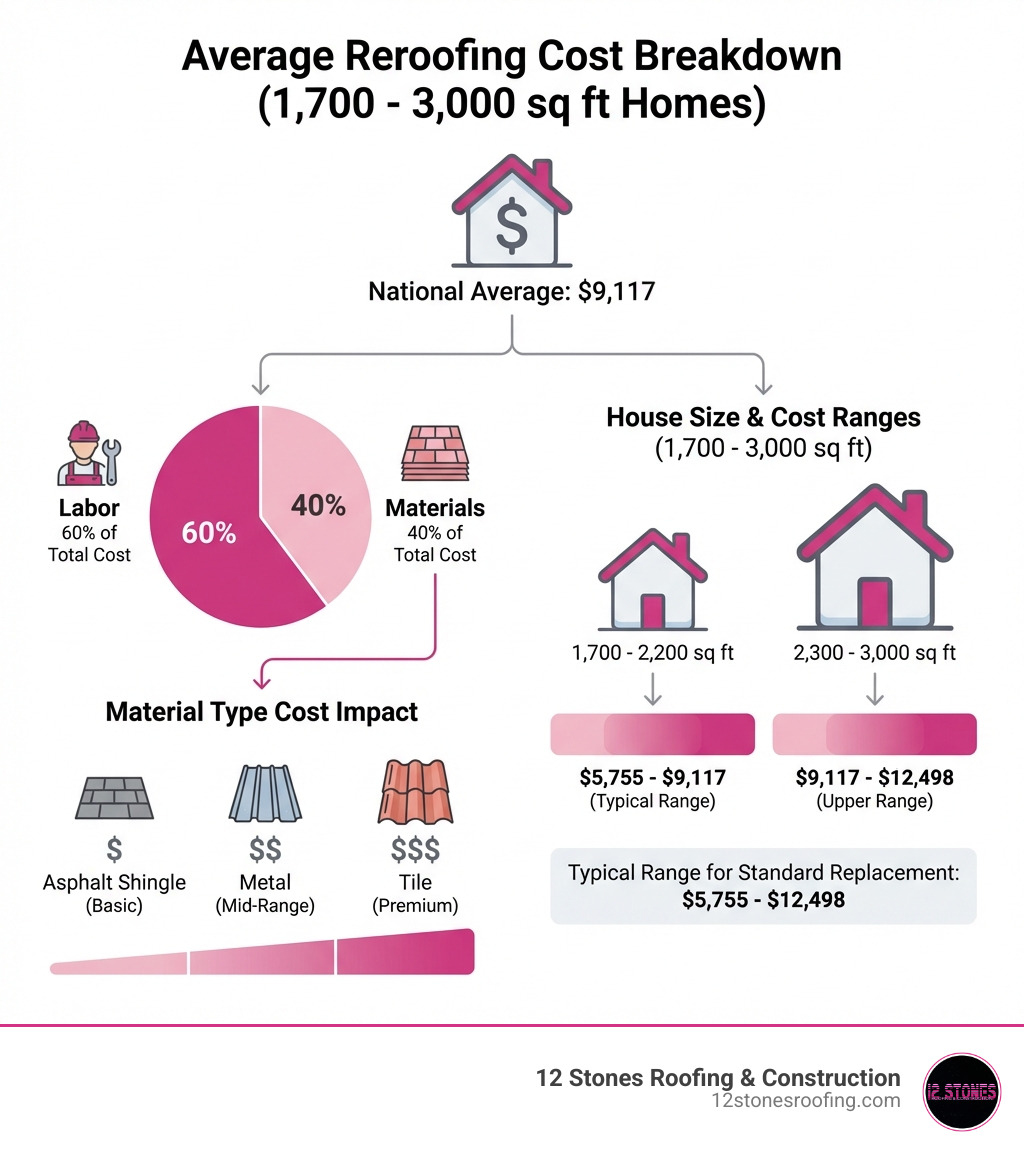
The average cost of reroofing in the United States ranges from $5,755 to $12,498, with most homeowners spending around $9,117 for a standard residential roof replacement. Your actual cost will depend on factors like roof size, material choice, labor rates, and your home’s location. As a leading roofing contractor in Pasadena, TX, we know that budgeting for this major project is a top priority for homeowners.
Quick Cost Overview:
- National Average: $9,117
- Typical Range: $5,755 – $12,498
- Cost Per Square Foot: $4.35 – $11
- Materials: 40% of total cost
- Labor: 60% of total cost
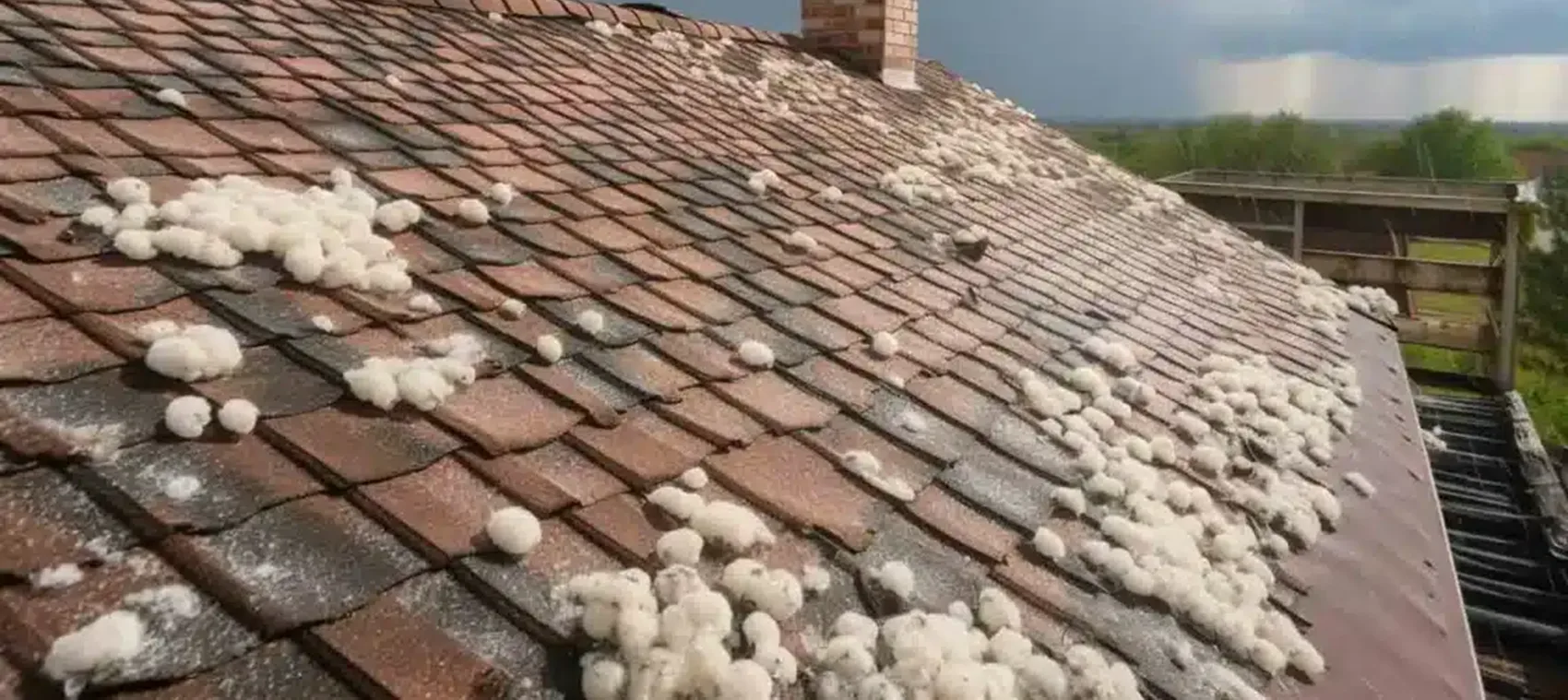
If you’re a homeowner in Pasadena, Texas, you’re probably already familiar with what severe weather can do to a roof. Hailstorms, hurricane-force winds, and relentless sun can all shorten your roof’s lifespan. When it’s time for a roof replacement, one of the first questions you’ll ask is: How much is this going to cost?
The answer isn’t simple. Reroofing costs vary widely based on your home’s size, the materials you choose, the complexity of your roof design, and local labor rates. Some homeowners pay as little as $6,000 for a basic asphalt shingle roof on a smaller home, while others invest $30,000 or more for premium materials like metal or tile on larger, more complex structures.
Understanding what drives these costs helps you budget realistically, avoid surprises, and make informed decisions about your investment. A new roof isn’t just an expense—it’s protection for your home, your family, and your belongings. It also maintains your property value and can even lower your insurance premiums if you choose impact-resistant materials.
In Texas, where weather extremes are the norm, choosing the right roofing solution and understanding your costs upfront is critical. Whether you’re dealing with storm damage or an aging roof that’s reached the end of its useful life, knowing what to expect financially puts you in control.
I’m Jason Roberts, owner of 12 Stones Roofing & Construction, and over the past decade I’ve helped hundreds of Pasadena homeowners steer the average cost of reroofing by providing transparent estimates and quality installations. My hands-on experience with every project ensures you understand exactly what you’re paying for—and why.
Similar topics to average cost of reroofing:
The National Average Cost of Reroofing: What to Expect
The average cost of reroofing in the United States ranges from $4.35 to $11 per square foot. This figure combines both materials (about 40% of the total) and labor (about 60%). Knowing these averages helps homeowners set realistic expectations before requesting quotes. The typical U.S. homeowner spends approximately $9,117 on a new roof, with the overall cost for a full replacement usually falling between $5,755 and $12,498. This broad range highlights the many variables that come into play, from the type of materials used to the complexity of the installation.
To give you a clearer picture, we’ve compiled a table comparing average reroofing costs by house size. That these are national averages and your specific costs in Pasadena, TX, might vary based on local labor rates, permit requirements, and the specific challenges posed by Texas weather.
| House Size (sq. ft.) | Average Cost Range |
|---|---|
| 1,700 | $6,500 – $9,000 |
| 2,000 | $7,400 – $10,500 |
| 2,500 | $11,131 – $15,085 |
| 3,000 | $11,200 – $16,000 |
These figures are a starting point. Our goal is to break down each component of the cost so you can understand where your investment goes and how to make the most informed decisions for your home.
Roofing Materials: The Biggest Cost Variable
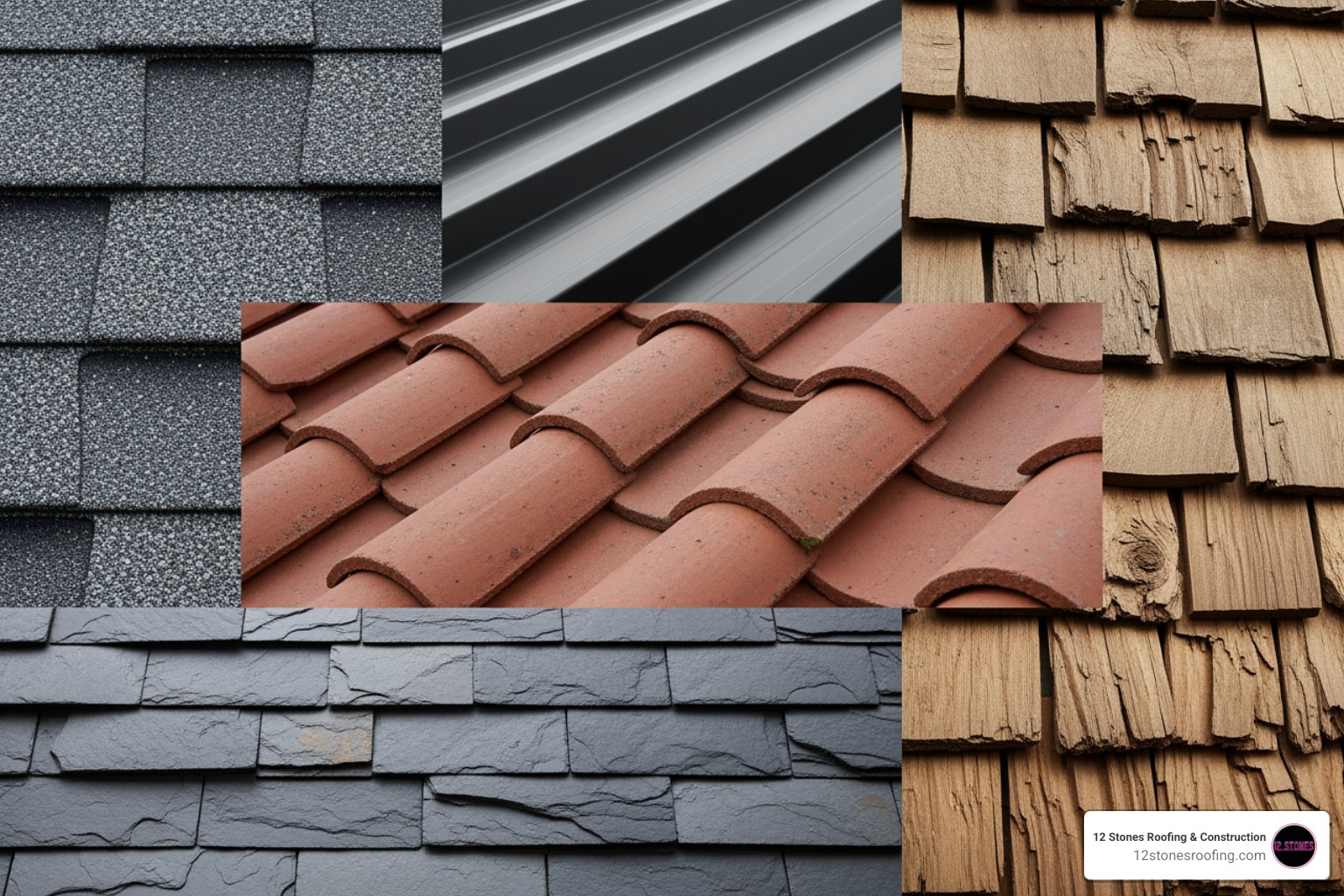
The choice of roofing material is the most significant factor affecting your reroofing cost. While asphalt shingles are often the most budget-friendly option, offering a good balance of cost and performance, premium materials like metal, tile, and slate provide significantly longer lifespans, improved durability, and often superior aesthetic appeal. These benefits can translate into greater value over the long term, reducing the frequency of replacements and potentially lowering maintenance needs.
Here’s a breakdown of common roofing materials, their typical lifespans, and average cost ranges for a 1,700 sq. ft. roof:
-
Asphalt Shingles: These remain the most common residential roofing material in the U.S. and a popular choice in Pasadena, TX, due to their affordability and versatility.
- Lifespan: 15-30 years
- Average Cost for 1,700 sq. ft.: $5,840 – $10,100 (or $3.50 – $6.00 per square foot)
- Basic asphalt shingles materials cost: $2,000 – $4,000
-
Metal Roofing: Gaining popularity for its strength and longevity, metal roofing is an excellent choice for areas prone to severe weather, like the Gulf Coast. It offers superior resistance to leaks and wind uplift, making it a robust option against hurricanes.
- Lifespan: 50-75 years
- Average Cost for 1,700 sq. ft.: $10,245 – $41,640
- Metal roofs materials cost: $5,600 – $16,400
-
Tile Roofing (Clay or Concrete): Known for its distinctive look and exceptional durability, tile roofing is a premium option that can withstand harsh elements for decades.
- Lifespan: 50+ years (can be 50-100 years for clay)
- Average Cost for 1,700 sq. ft.: $10,665 – $20,900
- Average tile roof materials cost: $8,400 – $25,000
-
Slate Roofing: The epitome of luxury and longevity, slate roofs can last for generations. They are highly durable and offer best aesthetic appeal, but come with a significant upfront investment.
- Lifespan: 100+ years (can be 125-200 years)
- Average Cost for 1,700 sq. ft.: $39,925 – $54,020
- Installing slate roofing materials cost: $5,500 – $22,700
-
Wood Shakes/Shingles: Offering a natural, rustic look, wood roofs are less common in humid climates like Pasadena but can be a beautiful option where suitable.
- Lifespan: 20-40 years
- Average Cost for 1,700 sq. ft.: $10,230 – $15,500
- Wood shake roofs materials cost: $16,000 – $27,000
Beyond these traditional materials, emerging trends include solar roofing options, with manufacturers like GAF and CertainTeed joining Tesla in offering photovoltaic shingles. Additionally, “cool roofs” – light-colored materials that reflect more sunlight – are an excellent choice for our warm Texas climate, potentially reducing home cooling energy costs by up to 15%. White roofs are particularly effective, reflecting 60 to 90 percent of sunlight.
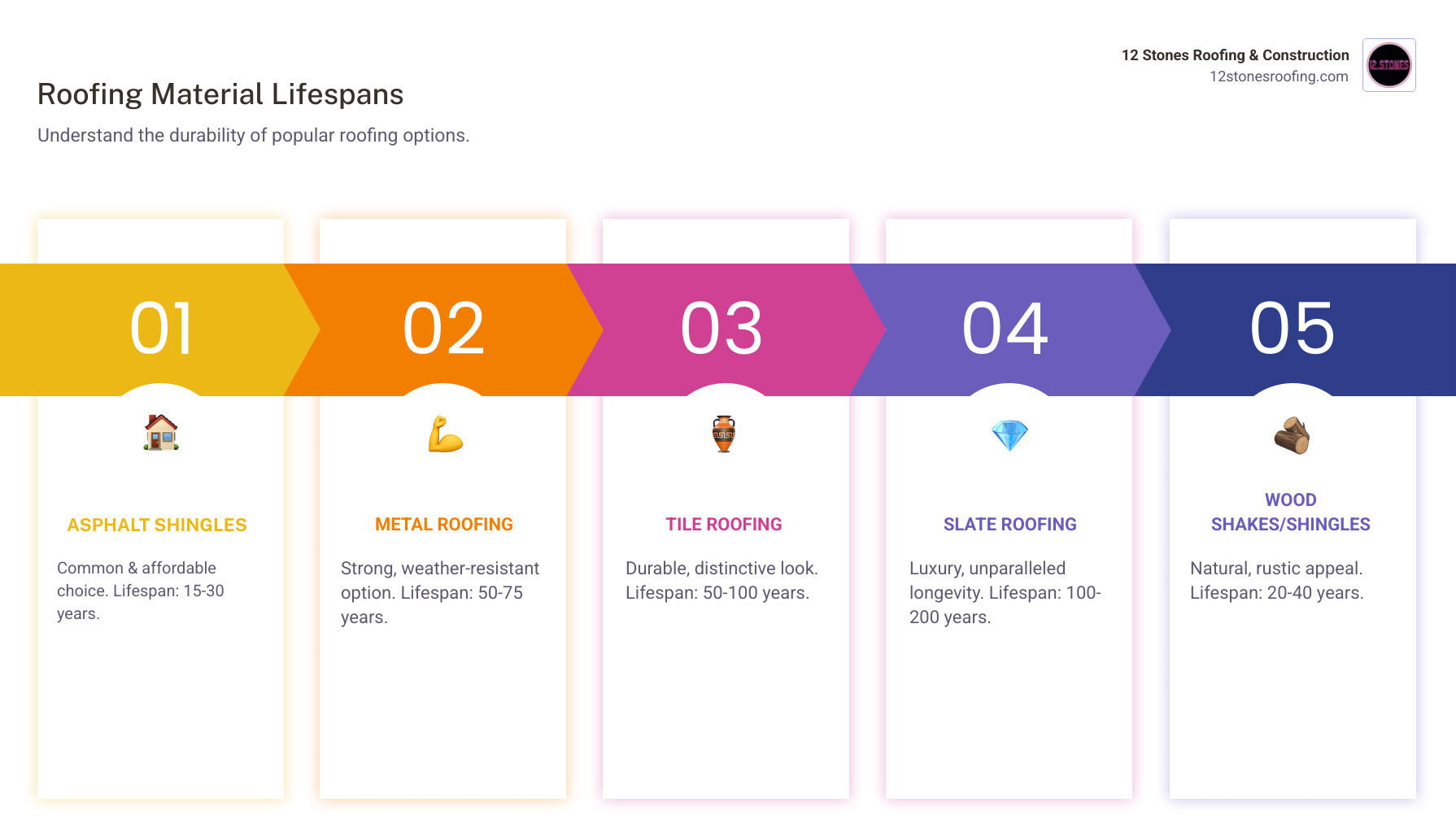
For more detailed insights into how long different roofing materials are expected to last, you can refer to resources like this guide on How long does a roof last in Florida?. While specific to Florida, the general lifespan information is valuable for understanding material durability.
Labor: The Largest Portion of Your Reroofing Bill
Labor typically accounts for 60% of the total reroofing cost, making it the largest portion of your bill. This significant percentage reflects the skill, experience, and physical demands involved in safely and correctly installing a new roof. This cost includes not only the installation of the new materials but also the crucial preparatory work, which involves the removal and disposal of your old roof. The average cost to tear off and replace an old roof can range between $665 and $3,343. This process alone requires careful handling to prevent damage to your property and proper disposal of debris.
Our professional crews are trained to manage every aspect of the job, ensuring it’s completed safely, efficiently, and in full compliance with local building codes. Experienced roofers are typically paid about $130 per hour, while general laborers earn around $35 per hour. This investment in skilled labor is critical because improper installation can lead to costly issues down the line, potentially voiding manufacturer warranties and compromising your home’s protection. When you choose a professional, you’re not just paying for hours worked; you’re investing in expertise, safety, and peace of mind.
Labor Cost Breakdown Example (based on a $9,117 average roof replacement):
- Total Project Cost: $9,117
- Labor Portion (60%): Approximately $5,470
- Materials Portion (40%): Approximately $3,647
This breakdown illustrates why skilled installation is paramount. A quality roof protects your home for decades, and that protection starts with the hands that build it.
Key Factors That Influence Your Final Reroofing Cost
Beyond the basic material and labor costs, several other elements can significantly influence your final average cost of reroofing. Understanding these factors helps us provide you with the most accurate estimate and helps you budget effectively.
Roof Size, Pitch, and Complexity
It’s not just about the square footage; it’s also about the shape and steepness of your roof. Larger roofs naturally require more materials and labor, increasing the overall cost. However, the roof’s pitch (steepness) and complexity (such as the presence of numerous valleys, dormers, skylights, or chimneys) can dramatically drive up expenses.
A steeper roof, generally defined as any pitch over 6:12 (meaning it rises 6 inches vertically for every 12 inches horizontally), poses greater safety challenges and requires more specialized equipment and techniques. This can add an extra $1,000 to $3,000 to your project due to increased labor time and safety measures. Complex roof designs, like hipped roofs, can cost up to $25 per square foot, whereas flatter roofs typically do not exceed $7 per square foot. Each additional feature, such as a skylight or chimney, requires careful flashing and sealing, adding to both material and labor costs. Our team at 12 Stones Roofing & Construction has extensive experience with all types of roof designs, ensuring every detail is handled correctly.
Understanding your roof’s pitch is crucial for an accurate estimate. For more details on different roof angles and their implications, explore our guide on Roof Slope Types.
Geographic Location and Climate
Where you live plays a significant role in your reroofing cost. Local labor rates, material availability, and specific building codes all vary by region. For homeowners in Pasadena, TX, our unique geographic location and climate present particular considerations:
- Texas Weather Considerations: Our roofs must contend with intense Texas sun, high humidity, and the constant threat of severe weather, including hailstorms and hurricanes. These conditions necessitate materials and installation techniques that prioritize durability and resilience. This can mean higher-grade underlayments, improved fastening methods, and impact-resistant shingles, all of which can influence the cost.
- Regional Labor Rates: Labor costs can fluctuate based on demand and the cost of living in a particular area. While we strive to offer competitive pricing, the demand for skilled roofers in our region, especially after significant weather events, can impact rates.
- Hurricane-Rated Roofing: Given our proximity to the Gulf Coast, hurricane-rated roofing materials and installation practices are not just recommended but often mandated by local building codes. These specialized systems, designed to withstand high winds and heavy rain, typically involve stronger decking, advanced sealing, and impact-resistant materials. While the initial investment might be higher, these features offer superior protection and can even lead to insurance premium discounts. The overall cost for roof replacement in Texas can range from $4,400 to $16,000, depending on all these factors.
When considering a roof replacement in our area, work with local experts who understand these specific challenges. If you’re looking for reliable and experienced professionals in our community, you can find more information about Roofers Near Me in Pasadena.
Additional Costs and Considerations
When budgeting for your new roof, it’s important to account for several additional expenses that extend beyond the primary materials and labor. These can significantly impact the overall average cost of reroofing.
- Permits and Inspections: Most municipalities in Texas, including Pasadena, require permits for full roof replacements or significant structural changes to ensure compliance with local building codes and safety standards. Permit costs can vary widely, ranging anywhere from $100 to $1,400, depending on your city and the scope of the project. We handle all necessary permitting to ensure your project meets all local requirements.
- Underlayment and Decking Repair: Before new shingles go on, the underlying structure of your roof needs to be sound. If we find damaged or rotted roof decking after removing the old materials, repairs or replacements will be necessary. This can add $2.20 to $3.00 per square foot for decking replacement. Additionally, new underlayment, which provides an extra layer of protection, typically costs $1.50 to $2.10 per square foot.
- Flashing and Drip Edge Replacement: These are critical components that prevent water intrusion around roof edges, chimneys, vents, and valleys. Replacing damaged flashing or drip edge is essential for a watertight seal and can cost $9.00 – $11.00 per foot for flashing and additional costs for drip edge installation.
- Warranties: Investing in a new roof also involves considering the warranty. A contractor warranty, covering the workmanship, typically ranges from $500 to $2,000. Manufacturer warranties, covering the materials themselves, can range from $500 to upwards of $5,000, depending on the material and coverage level. These warranties offer long-term protection for your investment.
- Roof Inspection Cost: While often part of a replacement quote, a standalone roof inspection to assess the condition of your roof and determine the best course of action typically costs around $240 on average. This can be a wise upfront investment to avoid unexpected issues later.
For more detailed information on the types of protections available for your new roof, please refer to our Roofing Warranty Information page.
Repair vs. Replace: Making the Right Choice
Deciding whether to repair or replace your roof is a common dilemma for homeowners, and it significantly impacts your average cost of reroofing. While roof repairs are generally more cost-effective for minor, localized damage, a full replacement often proves to be the safer and more economical long-term solution under certain circumstances.
For small, isolated issues like a few missing shingles or a minor leak, repairing is typically the best approach. The average cost for repairing a roof ranges between $379 and $1,763, with individual leak repairs costing about $360 to $1,550. If your roof is relatively young (less than 15-20 years old) and the damage is minimal, a targeted repair can extend its life without a major investment.
However, if your roof is nearing the end of its expected lifespan (e.g., asphalt shingles typically last 15-30 years), has widespread damage, or shows signs of structural issues, a full replacement is often unavoidable. Signs that indicate a roof needs replacement include:
- Curling or cracked shingles: This suggests the shingles are deteriorating and losing their effectiveness.
- Widespread leaks: If you’re experiencing leaks in multiple areas, it often points to a systemic failure rather than an isolated problem.
- Sagging deck: A visible sag in your roofline indicates potential structural damage or water saturation, requiring urgent attention.
- Granules in gutters: For asphalt shingles, an excessive amount of granules in your gutters means the protective layer is eroding.
- Neighbors getting new roofs: If many homes in your area are replacing their roofs, it’s often a good indicator that roofs of a similar age are reaching the end of their service life.
In cases where repair costs approach 30% or more of a full replacement, or if the roof is simply too old, replacement becomes the more sensible investment. It prevents further damage to your home, maintains property value, and provides peace of mind. For example, while a small hail damage repair might be feasible, extensive hail damage across the entire roof often warrants a full replacement. For insights on handling specific damage, refer to our Blog: Hail Damage Roof Repair.
How to Save Money and Finance Your New Roof
A new roof is a significant investment, but it’s also a critical one for protecting your home. While the average cost of reroofing can seem daunting, it typically recoups 49% to 61% of its cost at resale, according to Remodeling’s “2023 Cost vs. Value Report.” However, its true value lies in preventing far more costly damage from leaks and structural issues. Here are strategic ways to manage the expense and make it more affordable.
Insurance, Financing, and Smart Planning
- Homeowner’s Insurance Claims: If your roof was damaged by a severe weather event, such as a hailstorm or hurricane, your homeowner’s insurance policy might cover a significant portion, if not all, of the replacement cost. It’s crucial to contact your insurance provider immediately after damage occurs and before starting any major repairs. We can help you steer the claims process, working with your adjuster to ensure all damages are properly documented.
- Get Multiple Quotes: This is perhaps the most effective way to ensure you’re getting a fair price. We always recommend obtaining at least three detailed estimates from reputable local contractors. Be wary of unusually low bids, as they might indicate subpar materials or shortcuts that could cost you more in the long run. Ask for itemized quotes to compare apples to apples.
- Off-Season Discounts: Roofing demand often fluctuates with the seasons. Scheduling your roof replacement during a roofer’s slower period, typically late fall or winter (when the weather permits), can sometimes lead to more competitive pricing or quicker project completion.
- Consider DIY for Minor Tasks (with caution): While we strongly advise against DIY for the actual roof installation due to safety risks and expertise requirements, you might save a small amount by handling minor tasks like cleaning up the old roof debris yourself, if feasible and safe. However, always discuss this with your contractor first.
- Financing Options:
- Home Equity Line of Credit (HELOC): If you have substantial equity in your home, a HELOC is often a low-interest option for financing large home improvements. It allows you to borrow against your home’s equity, typically offering more favorable terms than personal loans. Please don’t take out high-interest payday loans for this.
- Home Equity Loans: Similar to a HELOC, a home equity loan provides a lump sum with a fixed interest rate, ideal for a one-time expense like a roof replacement. Homeowners with at least 20 percent equity in their home can often qualify.
- Roofing Company Financing: Many reputable roofing companies, including 12 Stones Roofing & Construction, offer flexible financing plans to help homeowners manage the cost of a new roof. These options can make immediate replacement possible without draining your savings.
- Personal Loans: These are unsecured loans that can be a quick source of funds, though interest rates might be higher than home equity options.
- Home Improvement Grants: While less common for general roof replacement, some government programs (like those from the U.S. Department of Agriculture or state/local resources) offer grants or low-interest loans for home repairs, especially for low-income homeowners or those in specific rural areas.
A new roof is an investment in your home’s future. By planning smartly, exploring financing, and leveraging insurance when applicable, you can make the process more manageable. For more information on how you can finance your roofing project, visit our Roof Financing Options page.
Frequently Asked Questions about Reroofing Costs
We understand that the average cost of reroofing can bring up many questions. Here are some of the most common inquiries we receive, answered to help you make informed decisions.
When is it more cost-effective to repair a roof versus replacing it?
Repair is generally more cost-effective for isolated, minor damage on roofs that are relatively young, typically less than 15-20 years old. For example, if only a small section of shingles is damaged by a tree limb, or a single leak can be easily patched, a repair is the logical choice. However, if the roof is older, damage is widespread (such as extensive granule loss across many shingles, multiple leaks, or widespread storm damage), or if the cost of repairs begins to approach 30% of a full replacement, then replacement becomes the more sensible and economical long-term investment. Ignoring widespread issues can lead to deeper structural problems and higher costs later.
Can homeowner’s insurance cover the cost of a roof replacement?
Yes, homeowner’s insurance can cover the cost of a roof replacement, but only under specific circumstances. Generally, policies cover damage caused by sudden, unforeseen events or “perils,” such as a hailstorm, hurricane, fire, or falling objects. Insurance typically does not cover replacement due to normal wear and tear, age-related deterioration, or lack of maintenance. To determine if your damage is covered, you’ll need to file a claim, and an adjuster will assess the cause and extent of the damage. It’s crucial to understand your specific policy details and limitations before assuming coverage.
What is the lifespan of different roofing materials?
The lifespan of your roof significantly impacts its long-term cost-effectiveness. Here’s a general overview of how long different popular roofing materials are expected to last:
- Asphalt Shingles: Typically last 15-30 years. Architectural shingles often fall into the higher end of this range.
- Metal Roofs: Known for their durability, metal roofs can last between 50-75 years.
- Tile Roofing (Clay or Concrete): These premium materials boast impressive longevity, often lasting 50 years or more, with some clay tile roofs enduring for 100 years or longer.
- Slate Roofing: Considered one of the longest-lasting roofing materials, slate roofs can easily last over 100 years, with some installations lasting 125-200 years.
- Wood Shakes/Shingles: With proper maintenance, wood roofs can last between 20-40 years.
Investing in more durable materials often increases the upfront reroofing cost but reduces the frequency of replacements and can offer better protection against severe weather, ultimately saving you money over the life of your home.
Get a Transparent Reroofing Estimate
Understanding the average cost of reroofing is essential, but your final price depends on your home’s unique features and your material choices. A professionally installed roof is your home’s first line of defense against the elements, providing protection, energy efficiency, and curb appeal. For a clear, detailed estimate custom to your property, trust the experts at 12 Stones Roofing & Construction. We pride ourselves on transparent pricing and quality workmanship, ensuring you get the best value for your investment. To get started, request your free roof replacement estimate online today.