
Why Understanding Complete Roof Replacement Matters for Texas Homeowners
A complete roof replacement is one of the most critical investments for protecting your home’s structural integrity and value, especially for Texas homeowners. In the Gulf Coast region, roofs endure a relentless assault from intense UV exposure, severe thunderstorms, hail, and high winds. Knowing when a simple patch job is insufficient can save you thousands in future repairs and prevent catastrophic water damage. A professional roof replacement protects your family, possessions, and home’s foundation, offering peace of mind that temporary fixes cannot match.
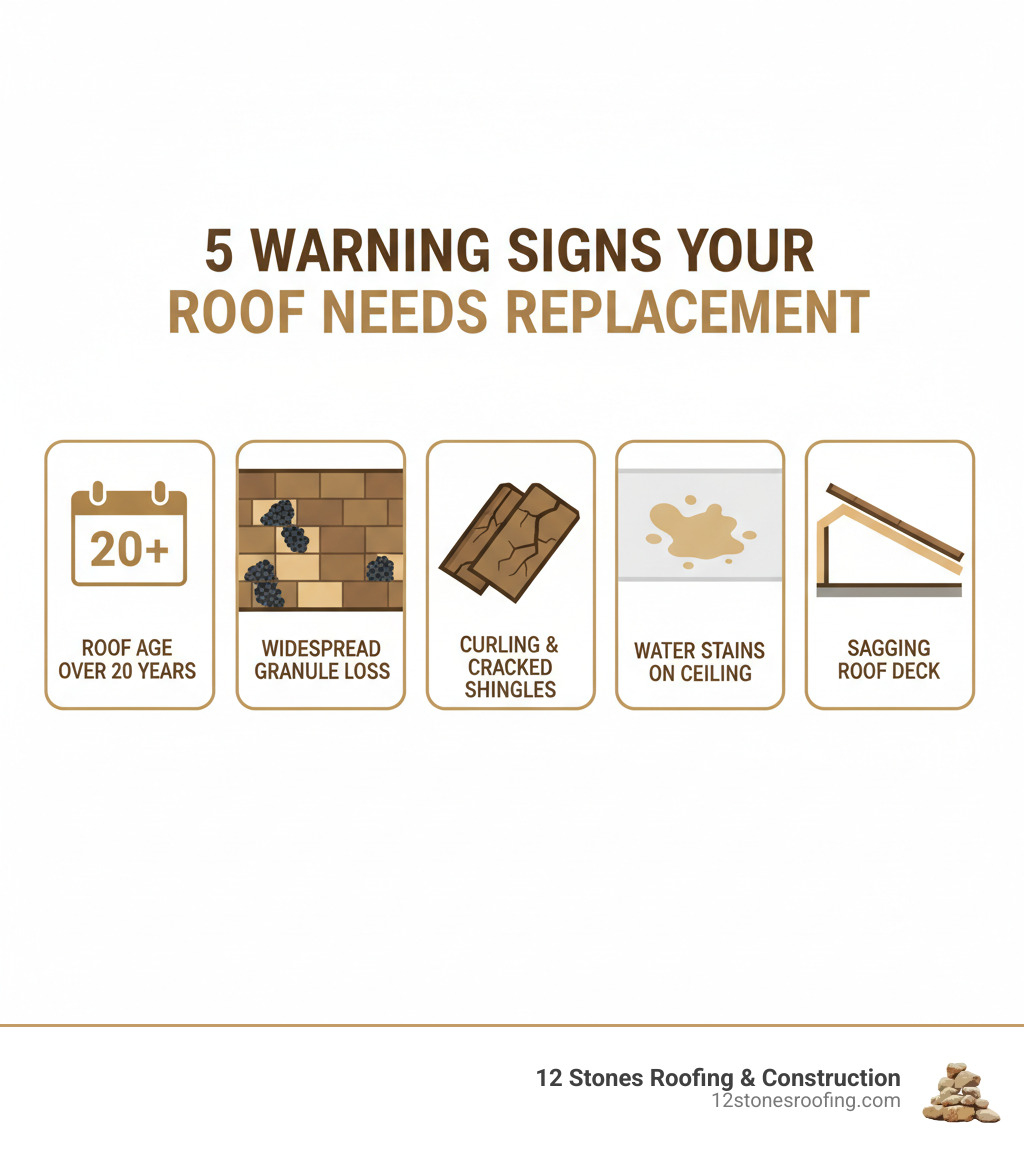
You should consider a complete roof replacement instead of repairs when you see these signs:
- Age: Your roof is over 20 years old (asphalt shingles).
- Widespread Damage: You have multiple leaks, large areas of missing shingles, or significant granule loss.
- Structural Issues: The roof deck is sagging, or you suspect rot in the sheathing.
- Multiple Layers: Building codes require a full tear-off if you already have two layers of shingles.
- After a Storm: Your insurance company recommends a full replacement over patchwork following severe weather.
Delaying a necessary replacement can be costly. The average complete roof replacement in Texas ranges from $7,500 to $20,000, but interior damage from a failing roof can cost far more. A complete system includes underlayment, flashing, and ventilation—components that spot repairs don’t address. At 12 Stones Roofing & Construction, we help homeowners make the smart financial choice between repair and replacement. This guide will help you determine if a full overhaul is right for your property.
Complete roof replacement terms to learn:
Roof Repair vs. Complete Roof Replacement: Making the Right Call
Deciding between a repair and a complete roof replacement depends on your roof’s age, the extent of the damage, and your long-term plans. While repairs can seem cheaper upfront, a replacement is often the smarter financial move for older roofs or those with widespread issues. Patching an aging system can lead to a cycle of costly repairs without solving the underlying problem.
When is a roof repair sufficient?
A targeted repair is the right choice in specific situations. Opt for a repair if you have:
- Minor, Localized Damage: A few shingles were lifted by wind, or a small section was damaged by a fallen branch, while the rest of the roof is in good condition.
- A Single Leak Source: Water is coming from a specific, fixable point, like cracked flashing around a chimney or a damaged vent boot.
- A Younger Roof: For asphalt shingle roofs under 15 years old, isolated damage is best handled with a repair, as the system still has significant life left.
- Budget Constraints: If a full replacement isn’t feasible right now, strategic repairs can prevent further interior damage and buy you time. More on handling insurance claims for repairs can help with unexpected costs.
When is a complete roof replacement necessary?
A complete roof replacement is non-negotiable when certain warning signs appear, indicating systemic failure. Replacement is necessary for:
- Roofs Over 20 Years Old: Most asphalt shingle roofs in Texas are designed for a 20-30 year lifespan. Beyond this point, shingles lose their protective granules and flexibility, making repairs a poor investment.
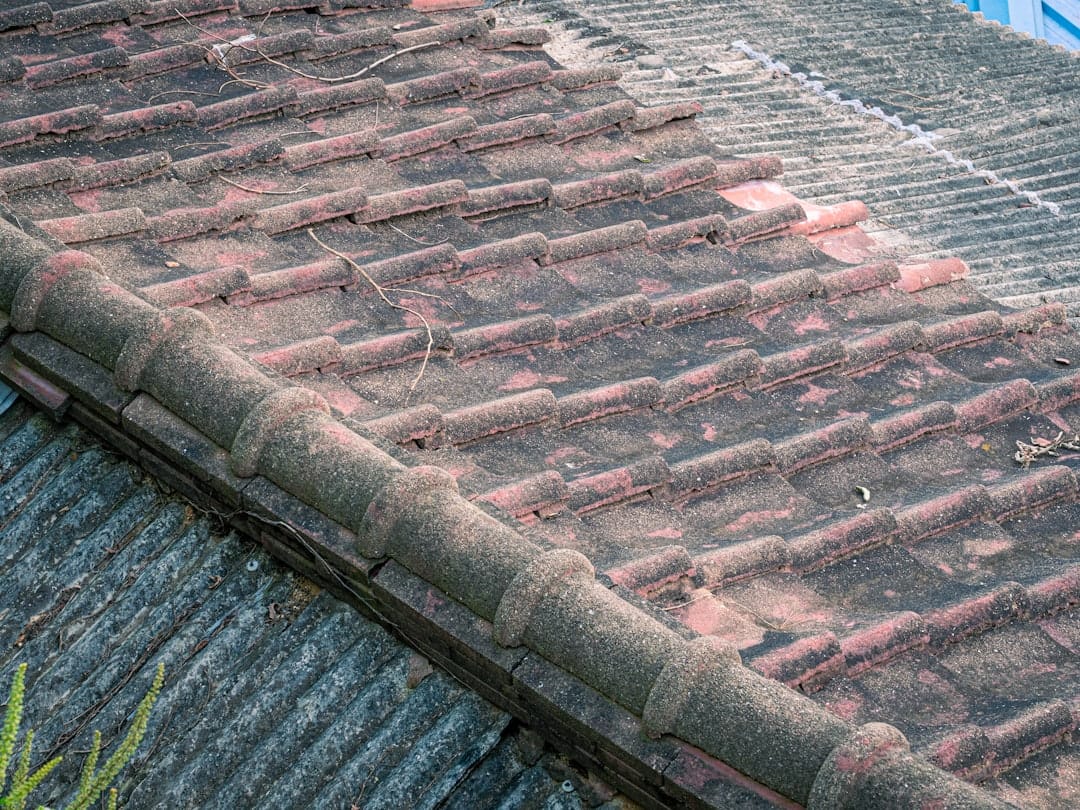
- Widespread Damage: If you see curling, cracking, or brittleness across large sections of your roof, or if your gutters are full of shingle granules, the entire system is failing.
- Multiple Leaks: Leaks in different parts of your house signal a systemic problem, not just a single point of failure.
- Structural Issues: A sagging roofline indicates a failure in the underlying structure, such as rotted decking or compromised trusses, which requires a full tear-off and replacement to address.
- Two Existing Shingle Layers: Texas building codes prohibit adding a third layer of shingles. A complete tear-off is legally required to inspect the roof deck and install a new system. Information on what a roof inspection for insurance covers explains how these situations are evaluated.
Delaying a necessary replacement can turn a $12,000 roofing job into a $30,000 structural nightmare involving rotted framing, mold, and ruined insulation.
Deconstructing the Cost: What to Budget for a New Roof in Texas
A complete roof replacement in Texas typically costs between $7,500 and $20,000. This range is influenced by several key factors unique to your home. At 12 Stones Roofing & Construction, we provide transparent pricing so you know exactly where your investment goes.
Key Factors Influencing Your Roof Replacement Cost
Your final cost is determined by these primary variables:
- Roof Size: Larger roofs require more materials and labor. Costs are calculated per “square” (100 sq. ft.).
- Roof Pitch (Steepness): Steeply pitched roofs require extra safety equipment and time, increasing labor costs by 20-30%.
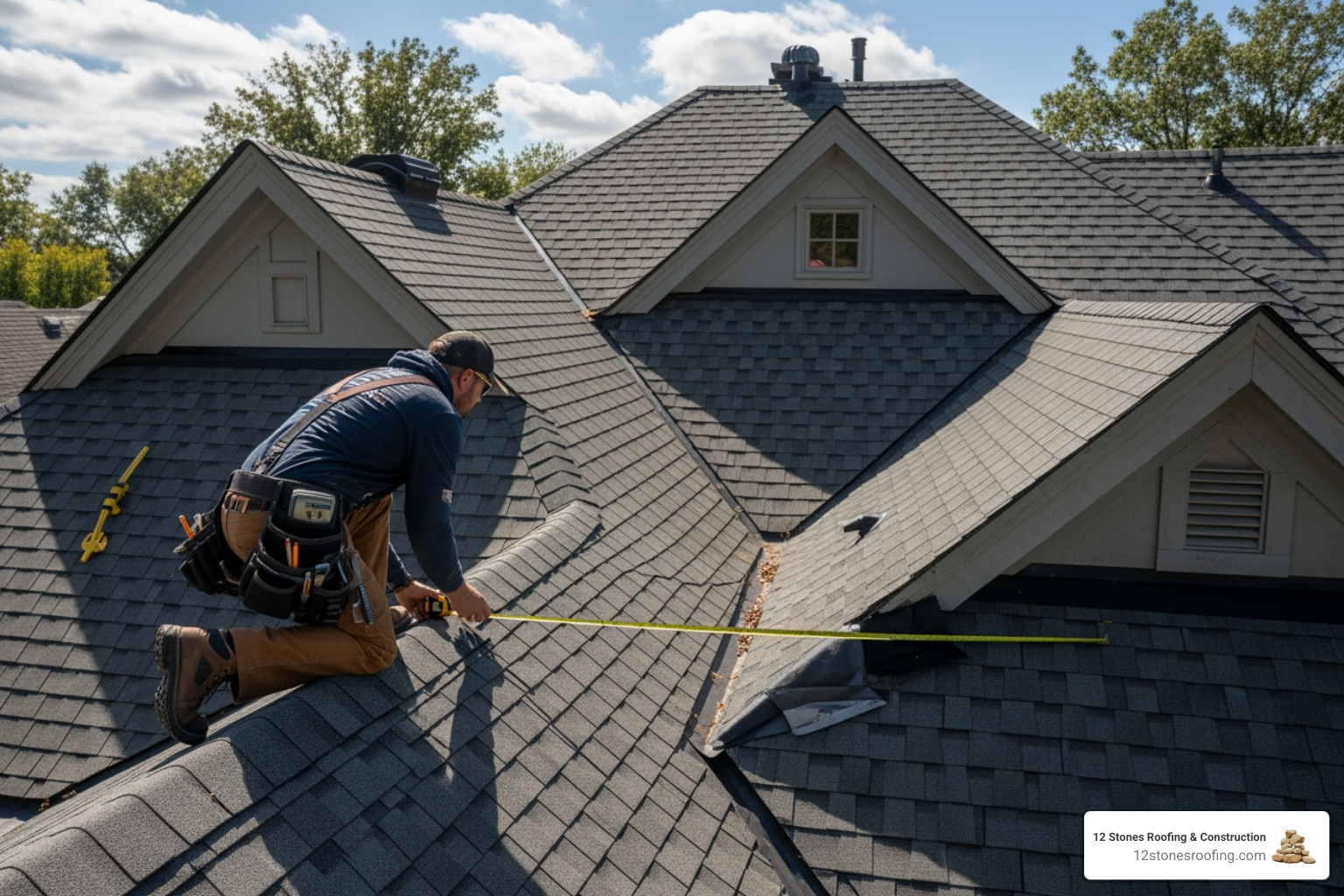
- Complexity: Features like valleys, dormers, and skylights demand precision work and custom flashing, adding to labor and material costs.
- Labor Costs: Typically 40-60% of the total project cost, reflecting the crew’s expertise and the job’s complexity.
- Permits and Disposal: Expect to add $500-$1,500 for required building permits and the disposal of old materials.
- Hidden Structural Damage: Rotting sheathing or damaged trusses found during tear-off must be repaired, typically adding $1,000-$4,000 to the project.
Learn about energy-efficient options that can offer long-term savings.
Price Ranges for Common Roofing Materials
The material you choose is the largest driver of your complete roof replacement cost.
- Asphalt Shingles: The most popular choice, costing $4.50-$7.00 per sq. ft. installed. They offer great value with a 20-30 year lifespan and good wind resistance.
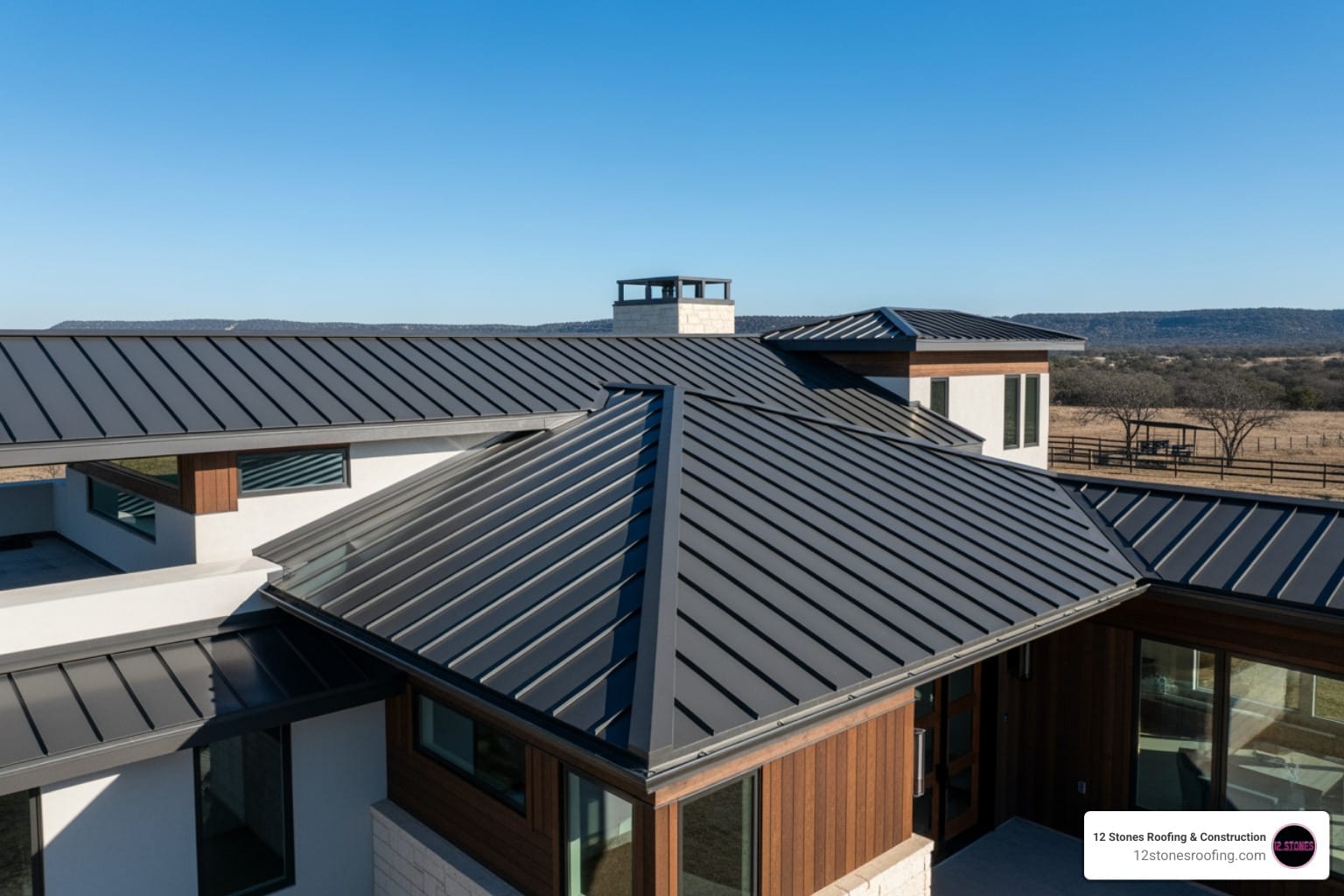
- Metal Roofing: A durable option at $9.00-$16.00 per sq. ft. It lasts 40-70 years, is highly resistant to Texas weather, and is energy-efficient.
- Slate and Tile Roofing: A premium choice at $20+ per sq. ft. These materials can last over 50 years, offering superior durability and curb appeal, but are heavy and require specialized installation.
- Cedar Shakes: Offering natural beauty for $10.00-$20.00 per sq. ft. with a 25-30 year lifespan. They require more maintenance in Texas’s humid climate to prevent rot and insect damage.
| Material | Cost per Sq. Ft. (Installed) | Lifespan | Pros | Cons |
|---|---|---|---|---|
| Asphalt Shingles | $4.50 – $7.00 | 20-30 years | Affordable, versatile, easy to install | Shorter lifespan, susceptible to granule loss, heat absorption |
| Metal Roofing | $9.00 – $16.00 | 40-70 years | Durable, energy-efficient, fire-resistant, wind-resistant | Higher upfront cost, can be noisy |
| Slate/Tile Roofing | $20.00+ | 50-100+ years | Extremely durable, fireproof, aesthetic appeal, increases value | Very high upfront cost, heavy (may require structural reinforcement), specialized installation |
| Cedar Shakes | $10.00 – $20.00 | 25-30 years | Natural beauty, good insulation | Higher maintenance, fire risk (if untreated), moderate lifespan, can be prone to rot/insect damage |
Are there financing options available?
Yes. A complete roof replacement is a major investment, and we offer flexible payment options through reputable financing partners. This allows you to choose high-quality, long-lasting materials without paying the full cost upfront. Explore our roof financing options or call us at (832) 702-0202 to find a plan that works for you.
The Step-by-Step Guide to a Complete Roof Replacement
A professional complete roof replacement is a systematic process that typically takes 2-5 days, depending on your home’s size and complexity. Understanding each phase ensures you know what to expect and why every step is critical for long-term protection against Texas weather.
Step 1: Tear-Off and Deck Inspection
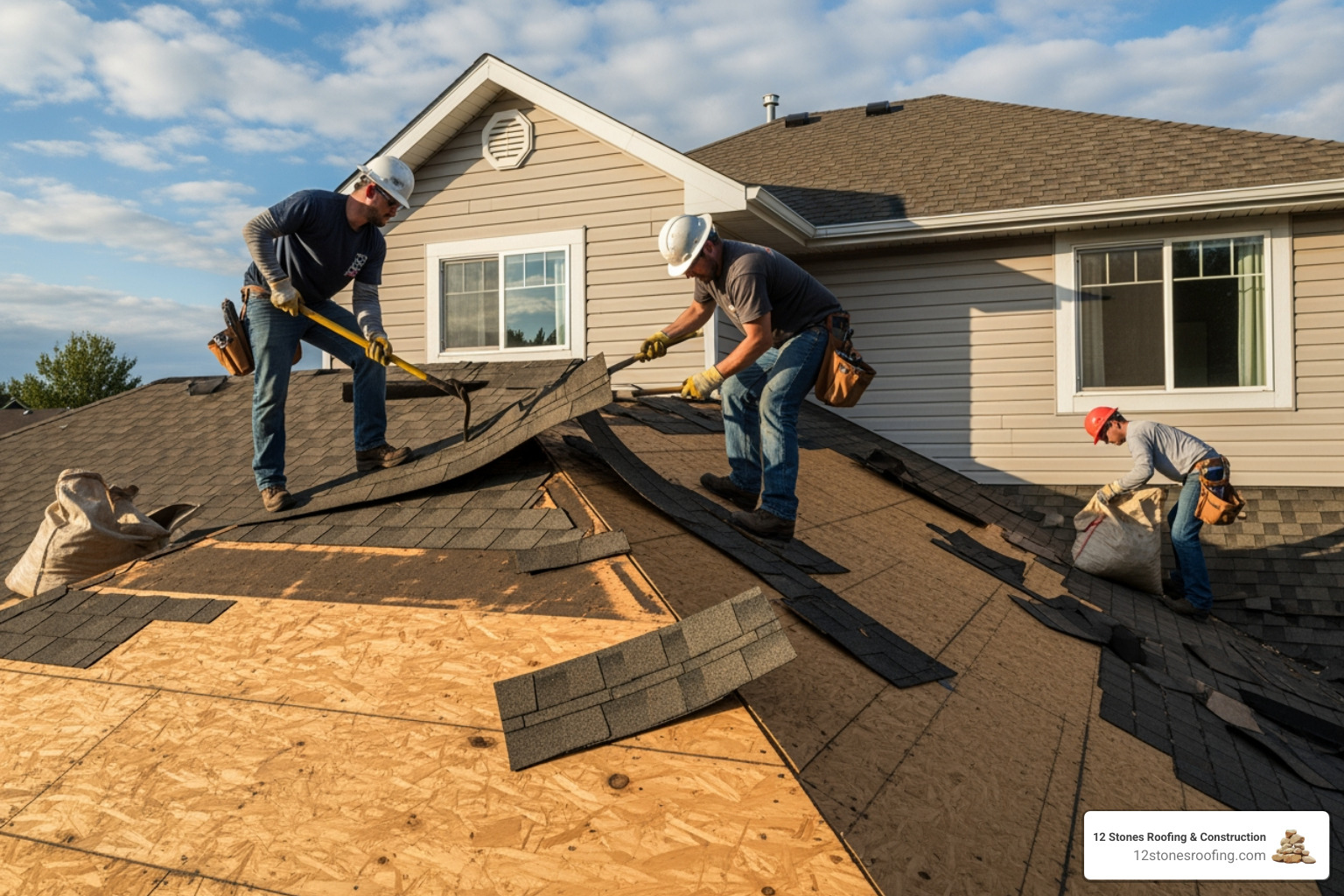
The process begins with protecting your property. We lay tarps to protect landscaping and then systematically remove all old roofing materials down to the bare wood deck. This allows for a thorough inspection of the roof’s foundation. We check for rot, water damage, or other structural issues common in Texas’s humid climate. Any damaged sheathing is replaced to ensure a solid base for the new roof, as installing over a compromised deck will lead to premature failure. All debris is continuously removed and hauled away.
Step 2: Installing the Core Protection
With a sound deck, we install the critical protective layers. This starts with an ice and water shield in vulnerable areas like valleys and eaves to guard against wind-driven rain. Next, a high-quality synthetic underlayment is installed across the entire deck, acting as a secondary moisture barrier. We then install a metal drip edge to direct water away from the fascia and new flashing around chimneys, vents, and skylights to prevent leaks at these critical points. These layers work together to create a robust, watertight system. A comprehensive guide from GAF on roofing systems offers more detail on how these components function.
Step 3: Installing New Shingles and Finishing Touches
This is the final phase where your new roof takes shape. We begin with starter shingles for wind resistance, followed by the precise installation of your chosen roofing material according to manufacturer specifications for nailing and alignment. We then install ridge capping for a watertight seal at the roof’s peak and ensure proper attic ventilation to prevent heat buildup and moisture damage. The project concludes with a meticulous final cleanup, including a magnetic sweep for stray nails, and a final walk-through with you to ensure your complete satisfaction with your new complete roof replacement.
Hiring a Pro vs. DIY: Why Expertise Matters
While a DIY complete roof replacement may seem like a way to save money, it often costs 30-40% more in the long run due to mistakes, voided warranties, and safety hazards. Professional installation is essential to protect your home from Texas weather, ensuring the job is done correctly, safely, and is backed by meaningful warranties.
The Risks of a DIY Roof Replacement
Attempting a DIY roof replacement comes with significant risks that can lead to expensive and dangerous consequences:
- Safety Hazards: Falls from roofs are a leading cause of serious injury. Professionals use specialized safety equipment and training that homeowners lack.
- Improper Installation: Incorrect nailing patterns, poor flashing, or misaligned shingles can cause leaks and wind damage, negating your hard work.
- Voided Material Warranties: Shingle manufacturers require professional installation to honor their 25- or 30-year warranties. A DIY job leaves you with no recourse if materials fail.
- Building Code Violations: Municipalities like Pasadena have strict roofing codes. A non-compliant DIY roof may need to be torn down at your expense.
- Missed Structural Damage: Professionals are trained to spot and repair hidden rot or damage to the roof deck, which a DIYer might overlook.
A detailed guide on DIY installation risks and steps further explains these challenges.
What to Look for in a Roofing Contractor
Choosing the right partner for your complete roof replacement is crucial. Here are the key qualifications to look for in a contractor:
- Licensed and Insured: Verify they have general liability insurance and workers’ compensation to protect you from liability.
- Strong Local Reputation: Check Google reviews and the Better Business Bureau. A good reputation in the local community is a strong indicator of quality.
- Detailed Written Estimates: A professional quote breaks down all costs, including materials, labor, permits, and disposal fees. Be wary of vague or unusually low bids.
- Comprehensive Warranties: Ensure the contractor offers both a manufacturer’s material warranty and a workmanship warranty to cover installation defects.
- Experience with Texas Weather: A local contractor understands how to build roofs that withstand Texas’s unique combination of hail, high winds, and intense sun.
Find trusted roofing contractors in Pasadena, TX who meet these standards. At 12 Stones Roofing & Construction, we provide detailed estimates and stand behind our work. Call us at (832) 702-0202 to discuss your project.
Frequently Asked Questions about Roof Replacement
What is the best time of year to replace a roof in Texas?
The best time of year for a complete roof replacement in Texas is fall or spring. During these seasons, moderate temperatures (45-85°F) allow asphalt shingles to seal properly. Extreme summer heat can make shingles too soft to work with, while winter cold can prevent them from bonding correctly. However, emergency replacements due to storm damage can be performed year-round by experienced professionals.
How long does a new roof last?
The lifespan of a new roof is primarily determined by the material used. Here are the typical lifespans for common roofing materials in Texas:
- Asphalt Shingles: 20-30 years. Architectural shingles last longer than basic 3-tab shingles.
- Metal Roofs: 40-70 years. They offer excellent resistance to wind, hail, and fire, making them a great long-term investment.
- Slate and Tile Roofs: 50-100+ years. These premium materials offer maximum durability and aesthetic appeal but come at a higher cost.
- Cedar Shakes: 25-30 years. They require more maintenance in Texas’s humid climate to prevent rot and insect damage.
Regular inspections, especially after severe storms, are key to maximizing any roof’s lifespan.
Will my homeowner’s insurance cover a complete roof replacement?
Homeowner’s insurance typically covers a complete roof replacement only if the damage is caused by a sudden event, such as a hailstorm, high winds, or a fallen tree. Insurance does not cover replacement due to old age, wear and tear, or lack of maintenance.
Your roof’s age is a critical factor. Many policies will only pay the “actual cash value” (ACV) for older roofs (15-20+ years), which accounts for depreciation and increases your out-of-pocket cost. If you suspect storm damage, schedule a professional inspection immediately to document the issue for your claim. We can help you steer the claims process to ensure you receive fair compensation. Learn more about roofing insurance claims.
Conclusion: Secure Your Home with a Quality Roof Replacement
A complete roof replacement is a vital investment in your home’s safety, efficiency, and value. It safeguards your most important asset for decades. By understanding the signs for replacement, costs, and process, you can make an informed decision that provides lasting peace of mind.
For a professional assessment and a transparent quote custom to your home, trust the local experts at 12 Stones Roofing & Construction. We are committed to protecting your property with high-quality materials and expert workmanship designed for Texas weather. Contact our team of expert roofers in Pasadena or call us at (832) 702-0202 to schedule your free inspection today.