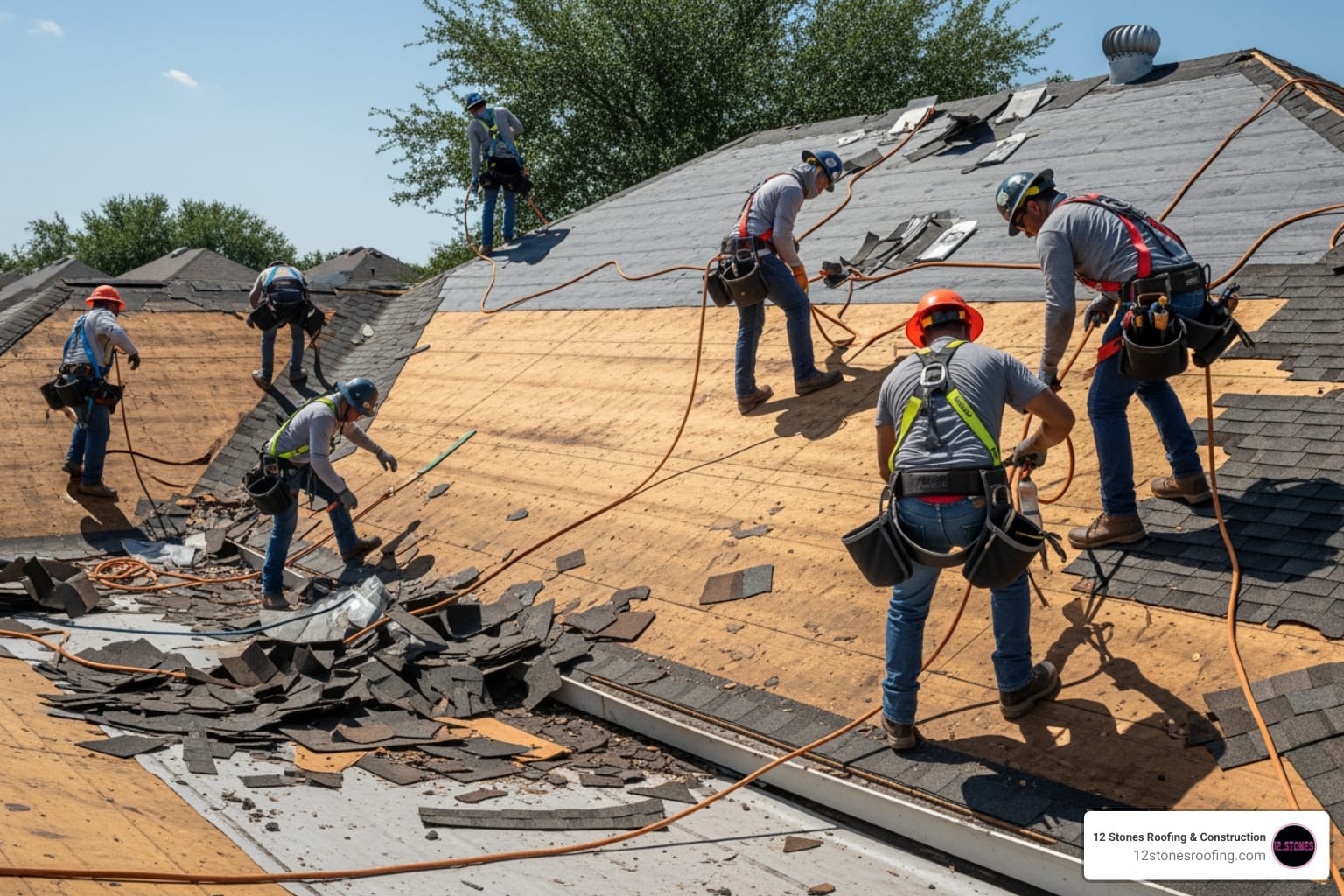

Why Choosing Between Concrete and Natural Slate Matters for Your Roof
A concrete slate tile roof offers the look of natural slate at a fraction of the cost, but understanding the trade-offs is crucial before making a roofing investment that could last 50 to 100 years. For homeowners considering slate-style roofing, the decision between authentic natural slate and concrete slate tiles impacts everything from upfront costs to long-term maintenance. For custom guidance as you compare options, start with a trusted Pasadena roofing contractor who understands Texas weather and local building standards.
Quick Comparison: Concrete Slate vs. Natural Slate
| Factor | Concrete Slate Tile Roof | Natural Slate |
|---|---|---|
| Cost | $3-5 per sq. ft. | $9-16 per sq. ft. |
| Lifespan | 50 years | 100+ years |
| Weight | 820-1,100 lbs/square | 800-1,500 lbs/square |
| Maintenance | Periodic cleaning for algae | Minimal, check for cracks |
| Appearance | Uniform, can fade | Unique, weathers naturally |
Both options require significant structural support and professional installation, but they differ dramatically in material cost, authentic appearance, and how long they’ll protect your home. Natural slate is a metamorphic rock quarried from the earth and split into thin sheets—it’s been the premium roofing choice for centuries. Concrete slate tiles are man-made from cement, sand, water, and oxide, molded to replicate slate’s distinctive look at a more accessible price point.
I’m Jason Roberts, owner of 12 Stones Roofing & Construction in Pasadena, Texas. With over a decade of hands-on experience installing and repairing both natural slate and concrete slate tile roof systems across the Gulf Coast, I’ve seen how each material performs under the harsh Texas sun, humidity, and severe weather conditions that challenge roofs in our region.

Understanding the Contenders: What Are They Made Of?
When someone mentions “slate roofing,” your mind probably conjures images of those neat, timeless roofs gracing historic buildings and upscale neighborhoods. But here’s the thing—not all slate is created equal. Today’s roofing market offers two distinct paths to achieving that classic slate aesthetic, and understanding the fundamental difference between them is essential for making an informed decision about your home.
What is Natural Slate Roofing?
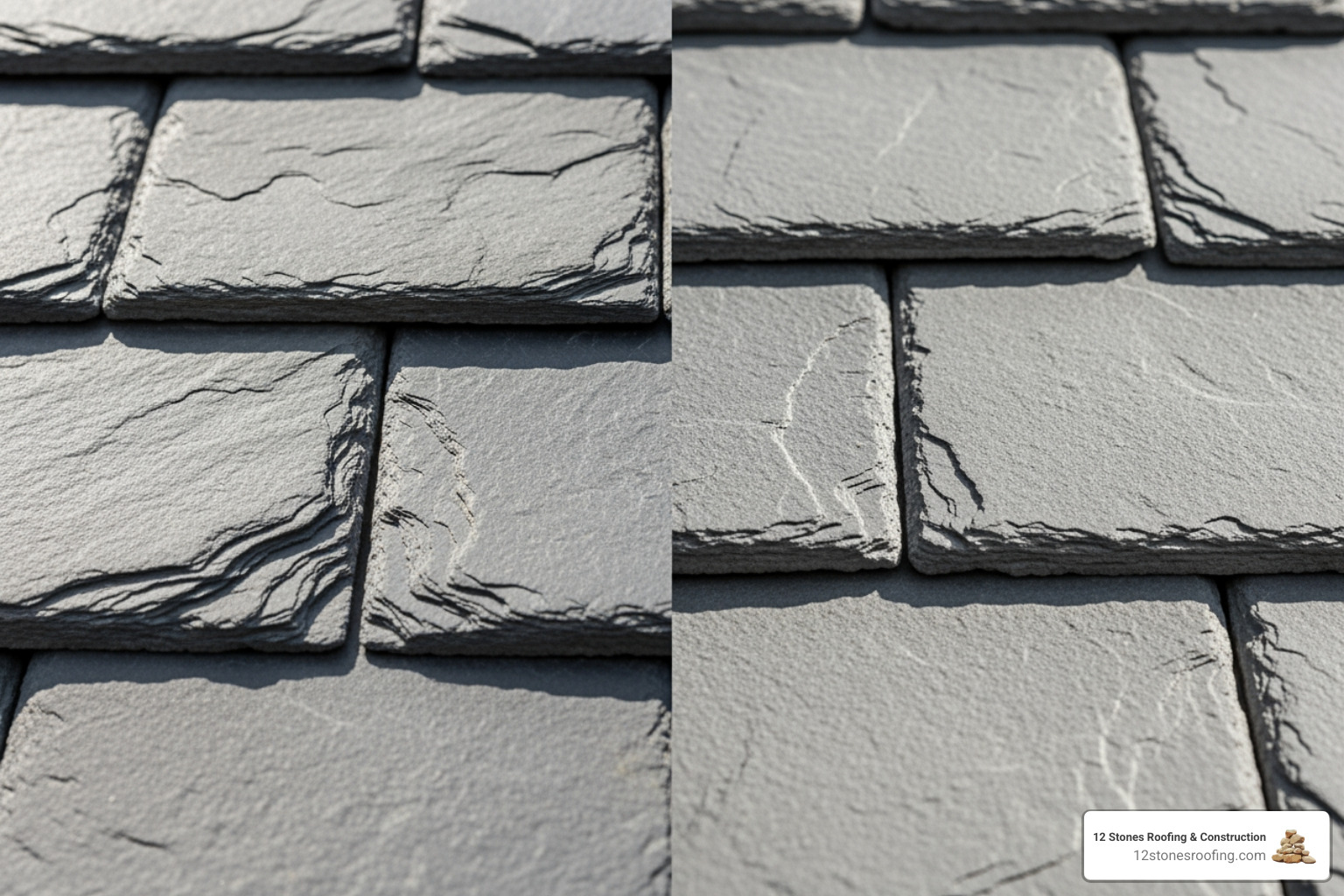
Natural slate roofing is exactly what it sounds like—authentic stone from the earth. This material is a metamorphic rock, formed deep underground through intense heat and pressure over millions of years. The rock contains minerals like mica, chlorite, and quartz, which give each piece its distinctive character.
Extracting natural slate is a labor-intensive process. Workers quarry massive blocks of stone from the earth, then carefully split them into thin, flat sheets along their natural grain. This splitting process reveals the beautiful cleft texture that makes slate so visually appealing.
What makes natural slate truly special is that no two pieces are identical. Each tile showcases unique color variations—from deep blacks and charcoal grays to rich greens, purples, and even mottled blends that shift with the light. These natural variations aren’t flaws; they’re the authentic signature of a material shaped by geological forces.
People have trusted slate roofing for centuries, with its use in America dating back to the 1600s. This isn’t just a roofing trend—it’s a premium material with a proven track record. Natural slate is inherently watertight, fire-resistant, and remarkably durable. When properly installed, it’s a roof that can outlast several generations of homeowners.
What is a Concrete Slate Tile Roof?
A concrete slate tile roof takes a completely different approach to achieving that classic slate appearance. Instead of quarrying stone, manufacturers create these tiles in specialized facilities using modern engineering techniques.
The base ingredients are straightforward: cement, sand, water, and iron oxide pigments. This mixture gets molded into precise shapes designed to replicate the look of natural slate, wood shake, or traditional barrel tiles. The manufacturing process allows for remarkable consistency and control over the final product.
One of the biggest advantages of concrete slate is its versatility. Manufacturers can produce over 50 color and style combinations, giving you far more design options than you’d find with natural stone. Whether you’re matching a specific architectural style or creating a custom look, concrete slate offers flexibility that natural materials simply can’t match.
The result is a concrete slate tile roof that captures the visual appeal of authentic slate while delivering the practical benefits of modern concrete. These tiles are exceptionally tough, require minimal maintenance, and stand up remarkably well to harsh weather conditions. For homeowners exploring tile roofing options, concrete slate represents a smart middle ground—premium aesthetics without the premium price tag of quarried stone.
The key difference? Natural slate is a product of geology, while concrete slate is a product of engineering. Both have their place on Texas roofs, but they serve different needs and budgets.
Head-to-Head Comparison: Performance, Cost, and Aesthetics
Now that we understand what each material is, let’s pit them against each other in a direct comparison of the factors that matter most to homeowners.
Aesthetics: Authentic Charm vs. Consistent Replication
The visual appeal of your roof significantly impacts your home’s curb appeal and overall value. Here, natural slate and a concrete slate tile roof offer distinct aesthetic profiles that cater to different preferences.
Natural slate delivers authentic charm that’s impossible to replicate perfectly. Each tile is genuinely unique, displaying subtle variations in color, texture, and thickness that only nature can create. This natural cleft and grain create a dynamic, rich appearance that evolves gracefully over time as the slate weathers. Think about the majestic roofs of historic landmarks—they often owe their grandeur to natural slate. For many homeowners, this organic, historical look is irreplaceable, adding significant distinction and value to a home, especially those with traditional or classic architectural styles.
A concrete slate tile roof takes a different approach, aiming for consistent replication. Manufacturers use sophisticated molds to mimic the shapes and textures of natural slate, resulting in a uniform appearance across the entire roof. This offers a clean, predictable aesthetic that many homeowners appreciate. Modern manufacturing techniques have made these tiles incredibly convincing at first glance.
However, there are some considerations. While many concrete tiles are pigmented throughout, some may be more prone to fading over decades, especially under the intense sun exposure we experience in Pasadena, TX. In some cases, repainting may eventually be needed to restore their original vibrancy. Some purists also argue that concrete tiles lack the deep, nuanced character of natural stone, though this is largely a matter of personal preference.
Durability and Lifespan: A Century vs. Half a Century
When investing in a new roof, longevity is often a top priority. Both materials are known for their durability, but there’s a significant difference in their expected lifespan that every homeowner should understand.
Natural slate is often called a “lifetime roof” for good reason. With proper installation and minimal maintenance, a natural slate roof can last well over 100 years, often outliving the building it protects. This exceptional longevity stems from slate’s inherent properties—it’s dense, non-porous, and impervious to rot, fire, and insects. It can withstand severe weather conditions, impact, and freeze-thaw cycles without significant degradation.
A concrete slate tile roof also offers impressive durability, typically boasting a lifespan of around 50 years. This is considerably longer than many other roofing materials, such as asphalt shingles, which typically last 15-25 years. Concrete tiles are tough and can stand up to severe weather, impact, and freeze-thaw cycles.
However, there’s a critical nuance that often surprises homeowners: while the concrete tiles themselves are long-lasting, the underlayment beneath them usually isn’t. The underlayment of a concrete tile roof typically needs to be replaced after about 20 years. This is a significant, costly, and time-consuming project, as it involves removing and then reinstalling the existing tiles to access and replace the membrane.
There’s another factor to consider. If not adequately treated and waterproofed, concrete tiles can absorb water at a rate of up to 13% if untreated. This water absorption can lead to issues like mold growth and added weight, potentially stressing the underlying structure and reducing the roof’s effectiveness in freeze-thaw cycles.
Cost: The Ultimate Deciding Factor
For most homeowners, cost is a primary consideration. While both options represent a significant investment compared to standard asphalt shingles, their price points differ considerably. When evaluating costs, we need to look beyond just the material price and consider labor, installation complexities, and long-term expenses.
The material cost for natural slate is substantially higher, ranging from $9 to $16 per square foot according to HomeAdvisor, compared to $3 to $5 per square foot for a concrete slate tile roof as reported by Modernize. This initial material difference is a major driver of overall project cost and often the first number homeowners focus on.
Labor costs also play a significant role. Installing natural slate is a highly specialized skill, and labor costs can range from $600 to $1,500 per roofing square (100 sq. ft.) according to Modernize’s slate roofing guide. While installing concrete tiles is also a job for experienced professionals, it’s generally less complex than natural slate, which can translate to lower labor expenses.
However, the “lifetime cost” is where the comparison gets interesting. While a natural slate roof might last 100 years or more with minimal maintenance, a concrete slate tile roof often requires a costly underlayment replacement around the 20-year mark. Replacing the underlayment for a typical roof can cost between $5,400 and $7,660 according to Fixr, including labor. This significant mid-life expense needs to be factored into your long-term budget, making the initial savings of concrete slate less dramatic over a 50-year period.
| Factor | Concrete Slate Tile Roof | Natural Slate |
|---|---|---|
| Material Cost/Sq. Ft. | $3 – $5 | $9 – $16 |
| Labor Cost/Sq. Ft. | $3 – $5 | $6 – $15 |
| 50-Year Lifetime Cost | Initial cost + $5,400 – $7,660 (underlayment replacement) | Initial cost only |
Weight and Structural Requirements
Here’s where both materials share a significant characteristic: they are heavy. This is a critical point that homeowners in Pasadena, TX, must consider before committing to either option.
Natural slate tiles are extremely dense and can weigh between 800 and 1,500 pounds per roofing square (100 sq. ft.). A concrete slate tile roof is also substantial, typically weighing between 820 and 1,100 pounds per square. To put that in perspective, standard asphalt shingles weigh around 250-400 pounds per square—less than half the weight of these premium materials.
This immense weight means that both natural slate and concrete slate roofs almost always require a thorough structural assessment of your home’s framing and foundation. Older homes, in particular, may need additional structural reinforcement to safely support such a heavy roof. We often recommend obtaining an engineering report to confirm that your home can handle the load.
Attempting to install a heavy roof without adequate structural support can lead to serious, and expensive, problems down the line—including sagging roof decks, cracked walls, or even structural failure in extreme cases. Our team at 12 Stones Roofing & Construction can assist with a comprehensive roof inspection to determine your home’s structural readiness and whether any reinforcement is needed before installation.
Installation and Maintenance: What Homeowners Need to Know
Beyond the initial purchase and aesthetic appeal, the practicalities of installation and long-term care are vital for any roofing decision. Understanding what’s involved in putting these heavy tiles on your home—and keeping them in good shape for decades—can help you make a more informed choice.
The Installation Process for a Concrete Slate Tile Roof
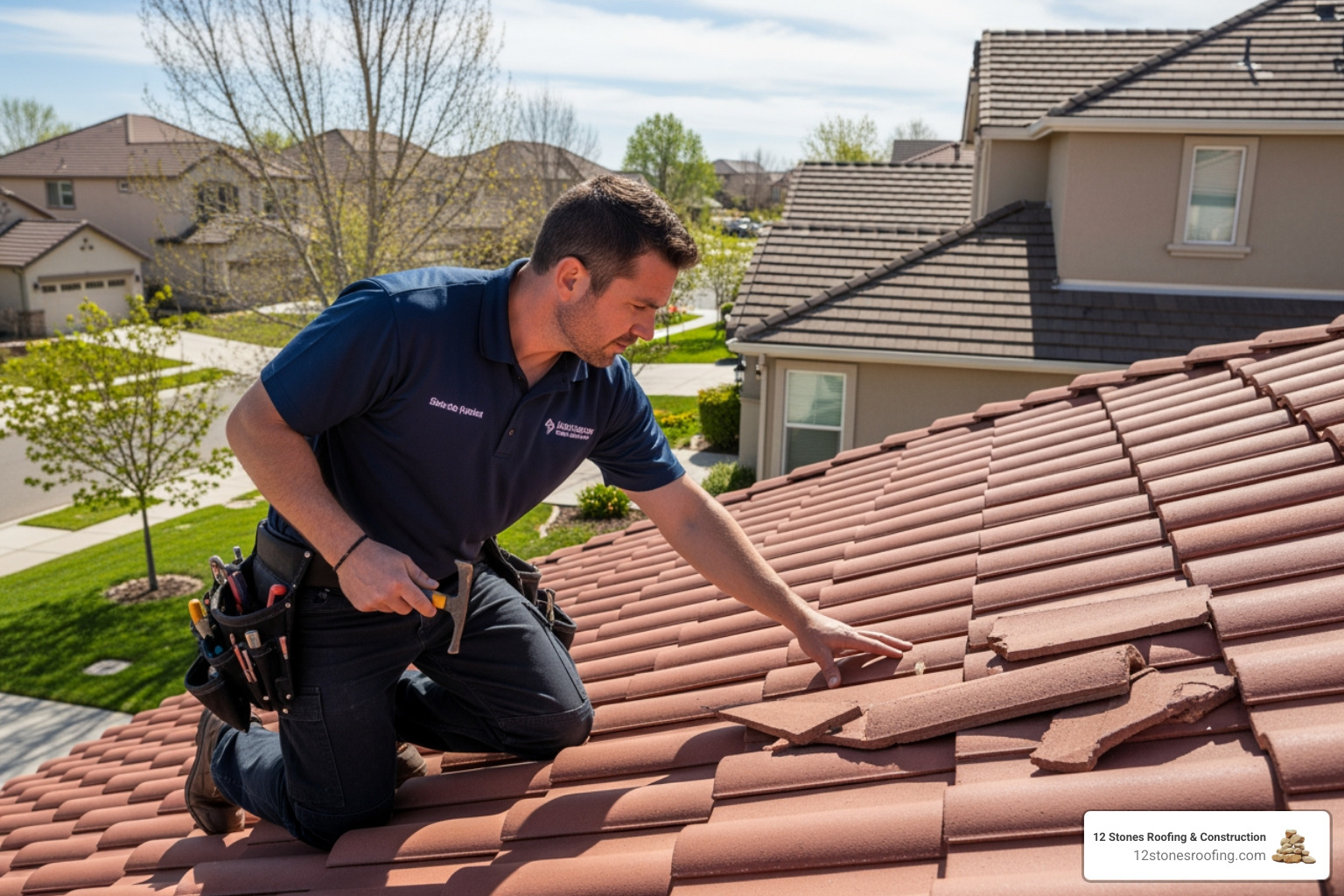
Installing a concrete slate tile roof isn’t something you want to tackle on a weekend with a few buddies. This is specialized work that requires experience, the right equipment, and a healthy respect for safety protocols. The tiles themselves are heavy and awkward to handle—dropping one can crack it, and lifting hundreds of them onto your roof is physically demanding work that requires proper planning and equipment.
One critical safety consideration during installation is silica dust. When cutting concrete tiles to fit around vents, chimneys, or roof edges, specialized cutting tools create fine dust that contains crystalline silica. Breathing this dust can cause serious respiratory problems over time, so professional installers use proper ventilation, water suppression systems, and respiratory protection. This isn’t just about comfort—it’s about long-term health.
The underlayment beneath your tiles deserves special attention during installation. This waterproof membrane is your roof’s true first line of defense against water intrusion, and its quality directly impacts how long your roof will perform without major intervention. Skimping on underlayment quality or installation precision to save a few hundred dollars can cost you thousands down the road when premature replacement becomes necessary.
Because of the weight, safety hazards, and technical precision required, professional installation by experienced roofers is absolutely critical for a concrete slate tile roof to perform as expected. At 12 Stones Roofing & Construction, we handle every aspect of roof installation with the meticulous care that heavy tile roofing demands, ensuring your investment is protected from day one.
Long-Term Maintenance and Repairs
The maintenance story for these two materials tells very different tales. Natural slate roofs are famously low-maintenance—they don’t typically attract moss or algae growth, and your primary responsibility is simply checking for cracked or dislodged tiles during your annual inspection, particularly after severe weather events. When repairs are needed, they usually involve replacing individual damaged slates, which requires a skilled professional who knows how to work with this delicate natural material without damaging surrounding tiles.
A concrete slate tile roof requires a more hands-on approach to maintenance. In our humid Pasadena climate, these roofs can develop algae and moss growth, especially in shaded areas or on north-facing slopes where moisture lingers. You’ll notice green or black streaks developing over time, which aren’t just cosmetic—they can hold moisture against the tiles and accelerate wear. Periodic cleaning every few years helps maintain both appearance and performance. A gentle power wash typically does the trick, though you’ll want to avoid harsh chemicals that could damage the tile surface or strip away protective coatings.
The major maintenance event for concrete tile roofs is that underlayment replacement we discussed earlier. Around the 20-year mark, you’re looking at a significant project that involves carefully removing tiles, replacing the waterproof membrane underneath, and reinstalling the tiles. This is labor-intensive work that can cost between $5,400 and $7,660 for a typical 1,500 square foot roof.
Individual tile repairs are straightforward when handled by professionals. Cracked tiles from hail impact, falling branches, or careless foot traffic need prompt replacement to prevent water from seeping beneath the roof surface. The good news is that replacing a few damaged tiles is relatively simple compared to other roofing repairs—as long as you catch the problem early. If you’re dealing with damaged tiles or need maintenance guidance, our team provides expert tile roof repair in Pasadena to keep your roof performing at its best.
Frequently Asked Questions about Concrete Slate Tile Roofs
Homeowners in the Pasadena area often reach out to us with specific questions about concrete slate tile roofs. Over the years, I’ve noticed certain concerns come up again and again. Let me address the most common ones based on what we’ve learned from years of hands-on experience in our Texas climate.
How does a concrete slate tile roof perform in Texas weather?
Here’s the good news: a concrete slate tile roof performs exceptionally well in Texas weather, which matters a great deal when you’re dealing with our unique climate challenges. Between the scorching summer sun, sudden hailstorms, hurricane-season winds, and high humidity, your roof takes a beating year-round in Pasadena.
These roofs earn their keep in several ways. The air circulation beneath the tiles creates a natural ventilation system that reduces heat transfer to your attic, potentially lowering your cooling costs during those brutal Texas summers. Many concrete tiles also come in reflective colors that bounce solar heat away rather than absorbing it.
When it comes to fire protection, you can’t do much better. Concrete tiles are completely non-combustible and carry a Class A fire rating, the highest available. That’s serious protection for your home and family.
Wind resistance is another major strength. When properly installed, concrete roof tiles can handle the high winds we experience during severe storms. They’re tested to withstand significant wind uplift, which gives you peace of mind during hurricane season. If you’ve ever worried about wind damage roof replacement, these tiles offer robust defense against those concerns.
Hail impact resistance is where concrete tiles really shine. They’re incredibly tough and generally stand up well to hail strikes, even during those severe Texas thunderstorms that seem to come out of nowhere.
The one consideration with our humid climate is that concrete tiles can be prone to algae and moss growth if not properly maintained. Their slightly porous nature means they can absorb up to 13% water if untreated, which creates ideal conditions for organic growth. Regular inspections and periodic cleaning help keep this under control.
Can you use a concrete slate tile roof for a historic home?
This question requires a thoughtful answer because the reality is nuanced. While a concrete slate tile roof can beautifully mimic the appearance of natural slate, it may not satisfy strict historic preservation requirements.
If your home sits within an official historic district or you’re pursuing authentic period restoration, natural slate is almost always the required choice. Historic preservation boards and architectural review committees typically prioritize material authenticity, and they can spot the difference between natural and manufactured slate. The unique aging process, subtle color variations, and organic texture of natural slate are nearly impossible to perfectly replicate.
That said, many historically-styled homes that aren’t officially designated landmarks can successfully use concrete slate tiles. If you love the classic slate aesthetic but don’t have the budget for natural stone—or if your home simply takes inspiration from historic architecture without being bound by preservation rules—a high-quality concrete slate tile roof can deliver that timeless look with excellent durability and fire resistance.
Always check with local regulations and architectural review boards here in Pasadena, TX before making your final decision. We’ve helped many homeowners steer these requirements and can guide you through the process.
Does a concrete slate roof require special cleaning?
Yes, a concrete slate tile roof does benefit from periodic cleaning, especially in our warm, humid Pasadena climate. While these roofs are relatively low maintenance compared to many alternatives, they’re not completely maintenance-free.
The primary culprit is biological growth. The slightly porous surface of concrete tiles, combined with our moisture-rich environment and warm temperatures, creates a perfect breeding ground for algae, moss, and lichen. You’ll notice dark streaks, green patches, or an overall dull appearance when these organisms take hold. Environmental pollutants, dirt, and organic debris also accumulate over time, causing additional staining.
Gentle power washing can effectively restore your roof’s appearance and remove these growths. The key word here is “gentle”—you want to avoid harsh chemicals or abrasive cleaning methods that can strip the tile’s protective coating or cause discoloration. Professional cleaning with appropriate solutions removes algae and moss without damaging your investment.
Regular inspections help you catch growth early, making cleaning easier and less frequent. We’ve found that homeowners who stay on top of maintenance with periodic cleanings end up spending less money and preserving their roof’s appearance far better than those who let problems accumulate for years.
Making the Right Choice for Your Pasadena Home
When it comes down to it, choosing between natural slate and a concrete slate tile roof is about finding the sweet spot between what you want, what you can afford, and what your home can actually support. There’s no universal “right answer” – just the right answer for your specific situation.
Natural slate is the real deal. It’s a true lifetime roof that offers unparalleled longevity and that authentic, irreplaceable beauty that only natural stone can provide. If you’re planning to stay in your home for decades or want to make a statement with timeless elegance, natural slate is an investment that pays dividends in prestige, durability, and the peace of mind that comes from knowing you may never need another roof. The material replacement needs are minimal, and with proper care, your slate roof could outlast your ownership of the home.
A concrete slate tile roof, on the other hand, brings that premium slate aesthetic to the table at a price point that’s far more accessible for most homeowners. It’s genuinely durable, fire-resistant, and when you look up at it from the street, it delivers that sophisticated, classic appearance you’re after. This is a fantastic option if you admire the slate look but need to be realistic about costs. Just remember to factor in that underlayment replacement around the 20-year mark when planning your long-term budget.
For those of us here in the Pasadena, TX area, there’s an additional layer to consider: our specific climate. Both materials stand up admirably to our severe weather – the scorching sun, the pounding storms, the occasional hail. However, our humid Gulf Coast conditions do make concrete tiles more prone to algae and moss growth, which means you’ll need to budget for periodic cleaning to keep that roof looking its best.
Your home’s structure plays a major role too. Both options are heavy, and not every home can handle that weight without reinforcement. An older home might need additional structural work before either material is viable, which adds to your overall investment.
At 12 Stones Roofing & Construction, we’ve installed both types of roofs throughout Pasadena, and we’ve seen how each performs year after year in our Texas weather. We can provide a thorough roof assessment that takes into account your home’s structural capacity, your aesthetic goals, your budget, and how you plan to use your home in the years ahead. We’ll help you steer the options to find the perfect fit for your property – ensuring your roof isn’t just beautiful, but built to last against everything Texas throws at it.
Ready to explore the elegance and durability of a slate or tile roof? Contact us for a professional consultation on your slate roofing options.