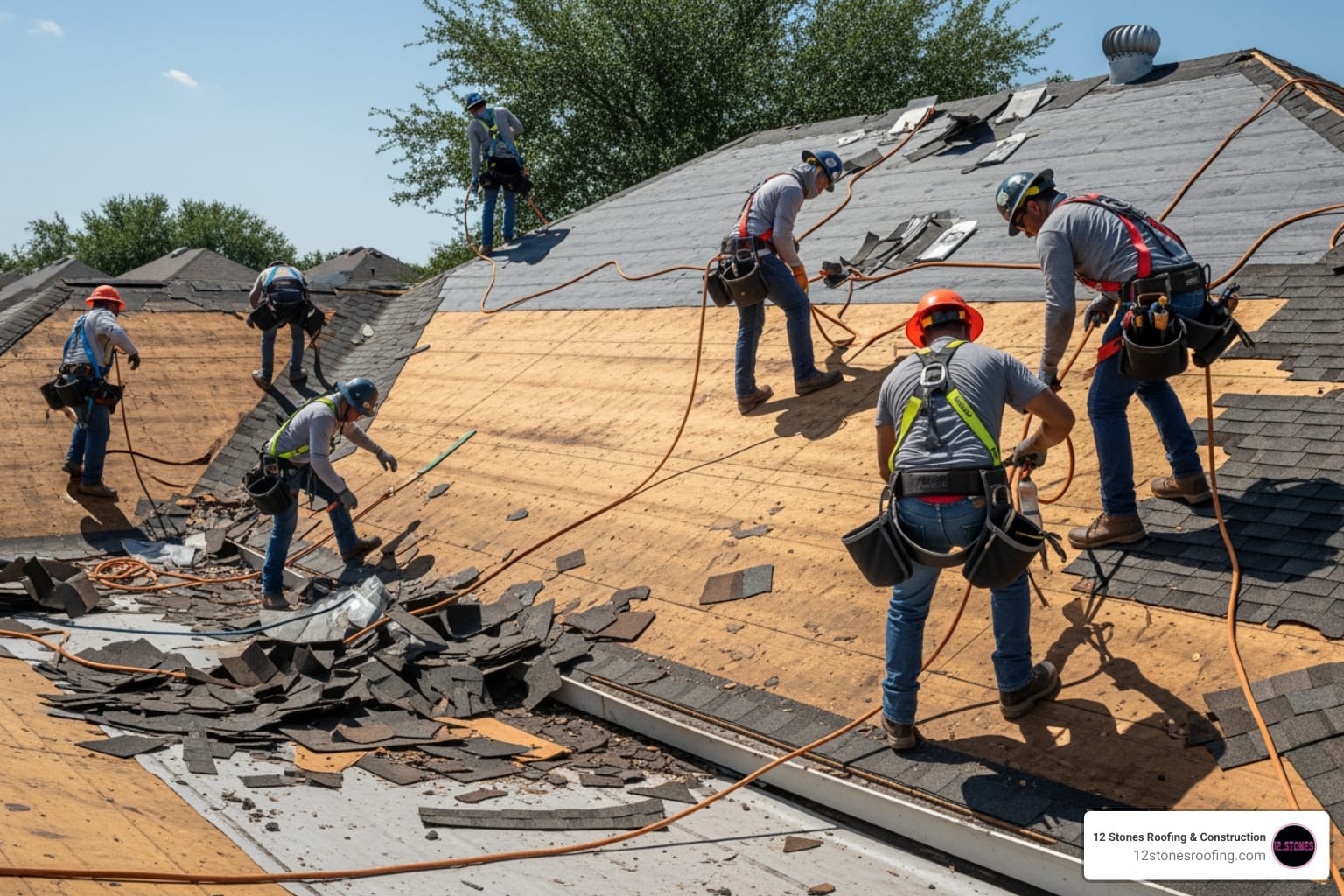

Why Roofing Leakage Repair Should Never Wait
Roofing leakage repair is the process of permanently fixing any breach in your roof that allows water inside. When addressed quickly, most repairs are straightforward and affordable, often ranging from $150 to $1,000. However, ignoring a minor drip can lead to mold growth within 24-48 hours, extensive water damage, and structural issues that may cost thousands to fix. Protecting your home starts with a reliable roof, and for homeowners in Texas, working with a trusted Pasadena roofing contractor for maintenance and repairs is the best defense against severe weather.
In Pasadena, Texas, where thunderstorms and hail are common, even a small roof breach can cause significant damage. Water can compromise insulation, rot wood framing, and create a breeding ground for mold. Delaying action can turn a simple fix into a major replacement project. This guide will walk you through spotting the signs, finding the source, performing temporary fixes, and knowing when to call a professional for permanent roofing leakage repair.
Quick Action Steps for a Roof Leak:
- Contain the water with buckets and towels.
- Locate the source by checking your attic for wet spots or stains.
- Apply a temporary fix like a tarp or roofing tape.
- Call a professional roofer for a permanent, warranty-backed repair.
I’m Jason Roberts, owner of 12 Stones Roofing & Construction, and for over a decade, I’ve overseen hundreds of roofing leakage repair projects across the Gulf Coast. Our A+ BBB rating and certifications from Owens Corning, CertainTeed, and TAMKO reflect our commitment to quality. We’ve learned that the difference between a small fix and a catastrophe is how quickly you act.
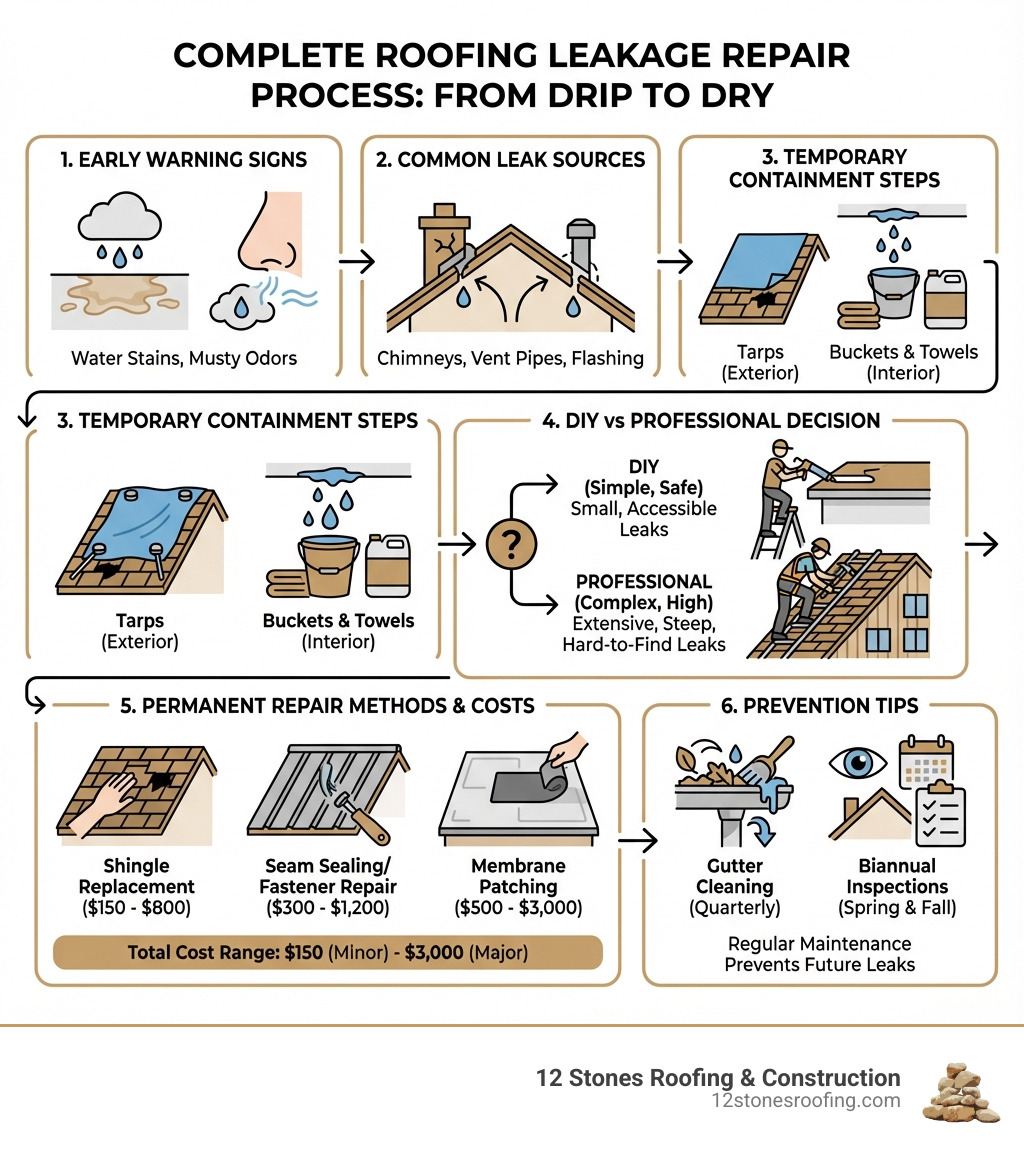
Spotting the Signs: How to Identify a Roof Leak Early
The first step in any repair is detection. A leak caught early is a simple, inexpensive fix, while one left unchecked can cause wood rot and compromise your home’s structural integrity. Be vigilant and look for these tell-tale signs.
A roof leak often goes unnoticed until water damage appears inside your home, which can lead to major structural and health hazards. Here are the most common signs that indicate a roof leak:
- Water Stains and Discoloration: Yellowish or brownish spots on ceilings or walls are the most obvious sign. In the attic, you might see these stains on the underside of the roof sheathing or on insulation. Addressing these promptly minimizes damage.
- Sagging Ceilings and Bulging Drywall: Accumulated water can cause drywall to sag or bulge, indicating significant saturation and a potential safety hazard.
- Musty Odors and Mold Growth: A persistent musty smell, especially in your attic, is a strong indicator of mold or mildew. Mold can grow within 24 to 48 hours of water exposure and poses serious health risks.
- Dripping Sounds: The sound of dripping water during or after rain is an unmistakable sign of an active leak, even if you can’t see the water yet.
- Compromised Insulation: Wet or matted insulation in your attic is a clear sign of water intrusion. It loses its effectiveness, leading to higher utility bills.
Ignoring these signs leads to significant damage, including wood rot and structural failure. For detailed guidance on fixing the aftermath, refer to our Water Damaged Ceiling Repair Guide.
Pinpointing the Problem: A Homeowner’s Guide to Finding the Leak’s Source
Finding the exact entry point of water can be tricky, as a leak on your ceiling might be several feet away from the actual breach. Water travels along rafters and decking before it drips. A systematic approach is key to locating the source, which is why a thorough roof inspection is crucial.
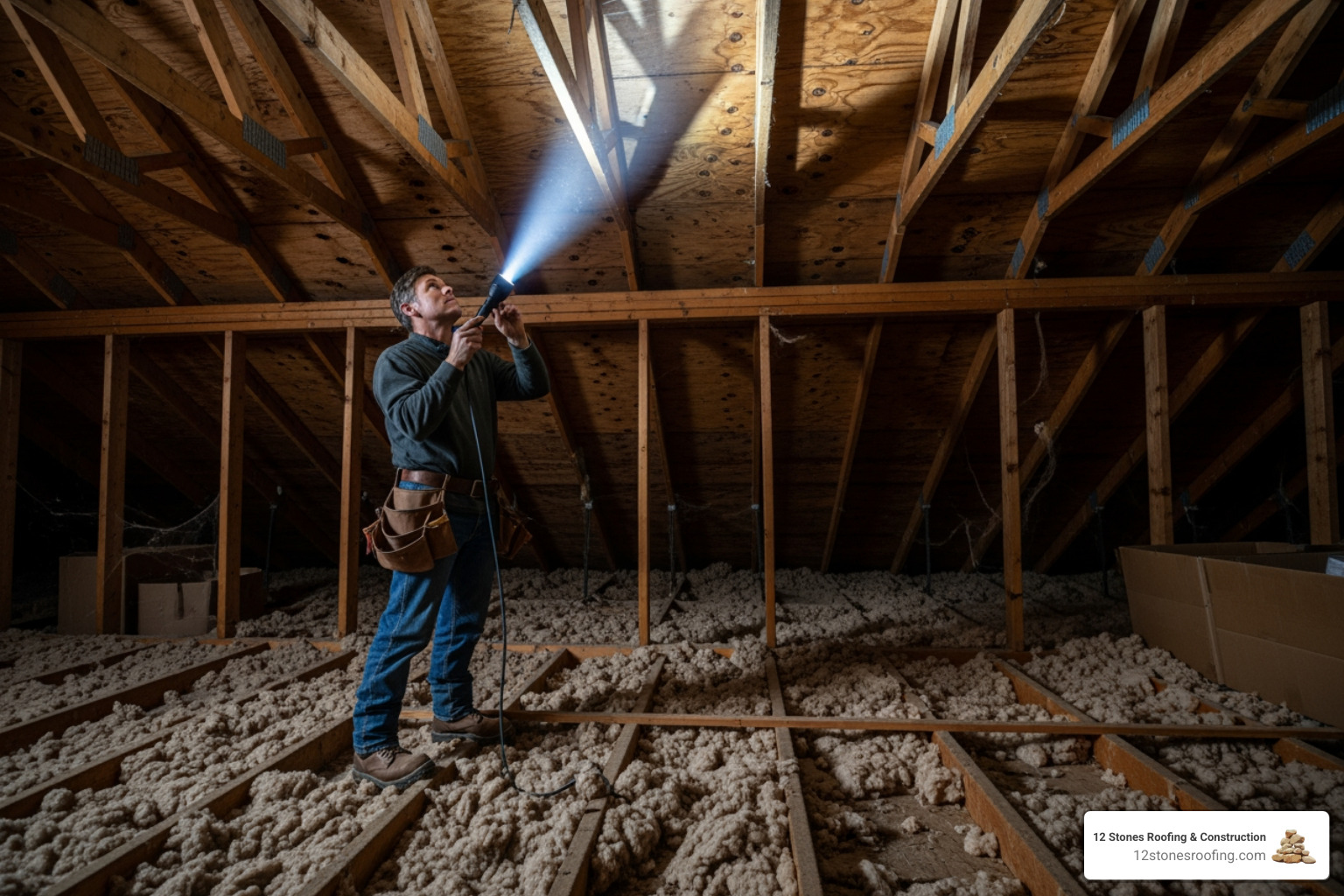
Here’s how to identify the source of a roof leak:
1. Attic Inspection: Your First Line of Defense
Start in your attic with a flashlight. Look for water stains on the underside of the roof sheathing, rafters, and insulation, tracing them upward. Pay close attention to areas around chimneys, skylights, roof vents, pipes, and roof valleys. Also, look for exposed or corroded nails.
2. The Garden Hose Test: Mimicking Rain
If a visual inspection fails, the “garden hose test” is a reliable method. It requires two people: one on the roof with a hose and one in the attic watching for drips. Soak small sections of the roof at a time, starting low and working up, until the person inside sees a drip. This pinpoints the entry point.
3. Common Causes of Roof Leaks
Understanding common causes helps narrow the search:
- Damaged or Missing Shingles: Wind, hail, or age can crack, lift, or remove shingles, exposing the underlayment. This is a major issue in Texas due to frequent storms.
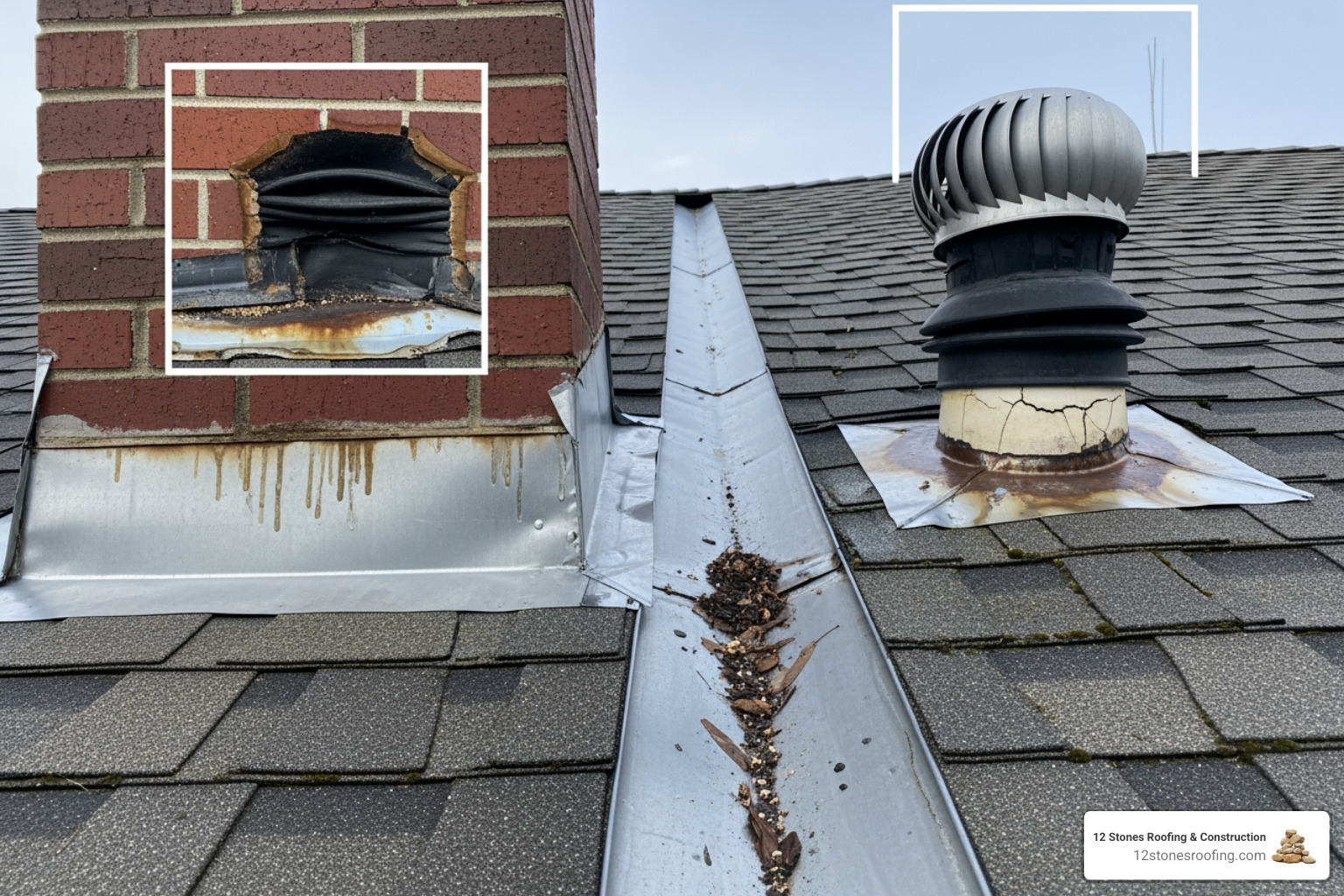
- Cracked or Damaged Flashing: Metal flashing seals joints around chimneys, skylights, and walls. If it’s damaged or improperly installed, it creates an easy entry point for water.
- Worn or Cracked Vent Boots: The rubber seals around plumbing and exhaust vents can crack and deteriorate from age and UV exposure.
- Clogged Gutters: Clogged gutters cause water to back up and seep under the roof’s edge, leading to leaks.
- Ice Dams: While less common in Pasadena, a heavy freeze can cause ice dams, where water backs up under shingles.
- Tree Damage: Overhanging branches can scrape shingles, while falling limbs can cause impact damage.
- Age and Material of the Roof: All roofing materials deteriorate over time. Asphalt shingles typically last 20-30 years, while metal roofs can last 40-70 years. Older roofs are more prone to leaks.
- Faulty Installation: Improper nailing, inadequate flashing, or poor sealing during the initial installation can cause leaks, often within the first few years.
For more information on detecting roof leaks, GAF, a leading roofing manufacturer, offers a helpful guide: How to Detect and Address a Roof Leak: A Homeowner’s Guide.
Immediate Action: Temporary Fixes and When to Call for Professional Roofing Leakage Repair
Once you’ve found a leak, especially during a storm, your immediate goal is to mitigate damage until a permanent repair can be made. While some minor fixes are within a homeowner’s grasp, knowing your limits is crucial for safety and your roof’s integrity.
Quick Temporary Measures to Mitigate Damage
A temporary fix is not a permanent solution, but it can prevent costly interior water damage while you wait for a professional.
- Buckets and Towels: Place buckets under drips and use towels to absorb splashes. This is your first line of defense indoors.
- Controlled Drainage (Puncturing Ceiling Bulges): If your ceiling is bulging with water, gently puncture the center to allow it to drain into a bucket. This prevents a sudden collapse and reduces the scope of emergency repairs.
- Roofing Cement or Tape: For small, accessible cracks on a dry roof, quality roofing cement or waterproof tape can provide a temporary seal.
- Tarping: For larger damaged areas, securing a tarp over the affected section is highly effective. Our Roof Tarping Complete Guide provides detailed instructions for doing this safely.
DIY vs. Pro: When to Handle Minor Roofing Leakage Repair Yourself
If you are comfortable with heights and basic home repairs, you can tackle a minor leak. The average working time for a simple DIY roof leak repair is about 6 hours. Always prioritize safety.
- Minor Shingle Replacement: Replacing a few cracked or missing asphalt shingles is often manageable.
- Sealing Small Gaps: Tiny gaps around vent pipes or flashing can sometimes be sealed with exterior-grade silicone caulk on a clean, dry surface.
- Safety Precautions: Always use a sturdy, properly secured ladder with a spotter. Wear soft-soled shoes for grip. For steep roofs, consider fall protection systems. OSHA provides comprehensive safety regulations for construction workers that offer valuable insights. Never go on a wet or steep roof.
Knowing Your Limits: When to Call a Professional Roofer
A botched DIY repair can cause more damage and higher costs. Always call a licensed professional for:
- Extensive Damage: Large holes, widespread missing shingles, or significant structural issues.
- Multiple or Unidentifiable Leaks: If you can’t find the source or water is entering from several places.
- Steep or Inaccessible Roofs: For your safety, leave difficult-to-access roofs to trained professionals with proper equipment.
- Structural Rot: Rotten wood in the attic or roof decking is a serious issue requiring professional repair.
- Failed DIY Attempts: If your fixes aren’t holding, it’s time to call an expert.
For emergency situations, our Emergency Roofing Services Complete Guide offers further assistance.
Understanding the Repair Process and Costs
A permanent repair addresses the leak’s root cause, restoring your roof’s protective barrier. The method and cost vary based on your roof type and the extent of the damage.
Common Methods for a Permanent Roofing Leakage Repair
A professional roofer uses specific techniques to ensure a durable repair. Here’s what we typically do:
- Shingle Replacement: For damaged asphalt shingles, we remove the old ones, inspect the underlayment, and install new, sealed shingles. If the underlying decking is damaged, we replace that section first.
- Flashing Repair or Replacement: We inspect flashing around chimneys, skylights, and vents. We will either re-secure and seal it or replace it entirely with new metal flashing to ensure it properly channels water away.
- Vent Boot Replacement: Cracked rubber vent boots are a common leak source. We replace the old boot with a new, durable one, ensuring it is properly sealed and secured.
- Roof Valley Sealing: Valleys are high-stress areas for water flow. We repair or replace damaged flashing and underlayment in these channels to prevent water penetration. Our Leaky Flat Roof Repair Complete Guide offers solutions for flat roofs, while our Metal Roof Repair Cost page details methods for metal roofs.
What Factors Influence Roof Repair Costs?
The cost to fix a leaky roof can range from $150 for a simple patch to over $3,000 for major work. Key factors influencing the cost of roofing leakage repair include:
- Extent of Damage: A single shingle fix is cheaper than widespread damage affecting decking and insulation.
- Roofing Material: Asphalt shingles are generally the least expensive to repair, while tile, metal, or slate require specialized labor and materials.
- Roof Pitch (Steepness): Steeper roofs require more time and safety equipment, increasing labor costs.
- Accessibility: Difficult-to-access roofs are more expensive to repair.
- Labor Rates: Costs vary by location and job complexity.
- Underlying Damage: Repairing compromised roof decking, insulation, or structural supports will add to the total cost.
Here’s a general overview of estimated repair costs:
| Repair Type | Estimated Cost Range |
|---|---|
| Replacing a few shingles | $100-$300 |
| Repairing a small leak | $150-$500 |
| Replacing flashing around chimneys or vents | $200-$500 |
| Roof valley repair | $300-$1,000 |
| Replacing a section of roofing | $1,000-$3,000 |
| Full roof replacement | $5,000-$10,000+ |
Note: These are rough estimates and actual costs may vary.
Proactive Prevention: How to Avoid Future Leaks
The best repair is the one you never have to make. Regular maintenance is the most effective way to prevent leaks and extend your roof’s life.
- Regular Inspections: We recommend professional roof inspections twice a year, in spring and fall, to catch issues early. You can also perform regular maintenance by visually checking your roof from the ground.
- Gutter Cleaning: Keep gutters clear to ensure proper water drainage and prevent backups.
- Tree Trimming: Trim overhanging branches to prevent them from scraping shingles or breaking and causing impact damage.
- Proper Attic Ventilation: Good ventilation regulates attic temperature and moisture, preventing condensation and premature aging of roofing materials.
- Address Minor Issues Promptly: Fix a loose shingle or small crack immediately before it becomes a major leak.
Following these preventative measures and using a Roof Maintenance Checklist can significantly protect your home.
Frequently Asked Questions about Roof Leakage Repair
What is the most common cause of a roof leak?
The most common cause of roof leaks, in our experience, is deteriorating or improperly installed flashing around penetrations like chimneys, vents, and skylights. These areas are inherently vulnerable because they break the continuous surface of the roof. Other frequent culprits include damaged or missing shingles due to weather (especially in storm-prone areas like Pasadena, TX), cracked vent boots (the rubber seals around pipes), and clogged gutters that cause water to back up and seep under the roof’s edge. Over time, the elements degrade roofing nails and fasteners, which can also lead to leaks.
How much does a typical roof leak repair cost?
A typical roof leak repair can cost anywhere from $150 to $1,000, but this can vary significantly. Minor repairs, such as sealing a vent or replacing a few shingles, are generally on the lower end, costing $100-$300. More complex issues, such as repairing a roof valley ($300-$1,000) or addressing underlying water damage to the decking, will be more expensive. Factors like the type of roofing material (e.g., asphalt vs. metal), the steepness and accessibility of the roof, and the extent of the damage all influence the final price. For extensive damage, replacing a section of roofing can cost $1,000-$3,000.
Can I fix a roof leak myself?
Homeowners can often fix very minor issues, such as applying sealant to a small crack or replacing a single damaged shingle, provided they follow strict safety precautions and use the correct materials. The average working time for a DIY roof leak repair is estimated at 6 hours. However, for most leaks, especially those that are large, difficult to locate, on a steep roof, or involve structural damage like wood rot, it is always safer and more effective to hire a professional roofer. A botched DIY repair can cause more harm than good, potentially leading to more extensive damage and higher costs. We always recommend consulting a licensed professional for an expert assessment.
Conclusion
Tackling a roofing leakage repair promptly is one of the most important responsibilities of a homeowner. By learning to spot the signs, understanding the causes, and knowing when to call for help, you can protect your home from significant water damage. Regular maintenance is your best defense against future problems, ensuring your roof remains a steadfast shield for years to come. For homeowners in the Pasadena, TX area, the team at 12 Stones Roofing & Construction offers expert inspections and reliable repairs to keep your home safe and dry. If you suspect a leak, don’t wait for the problem to get worse. You can schedule professional service directly through our roof repair page and connect with a trusted Roof Repair Company Pasadena homeowners rely on.