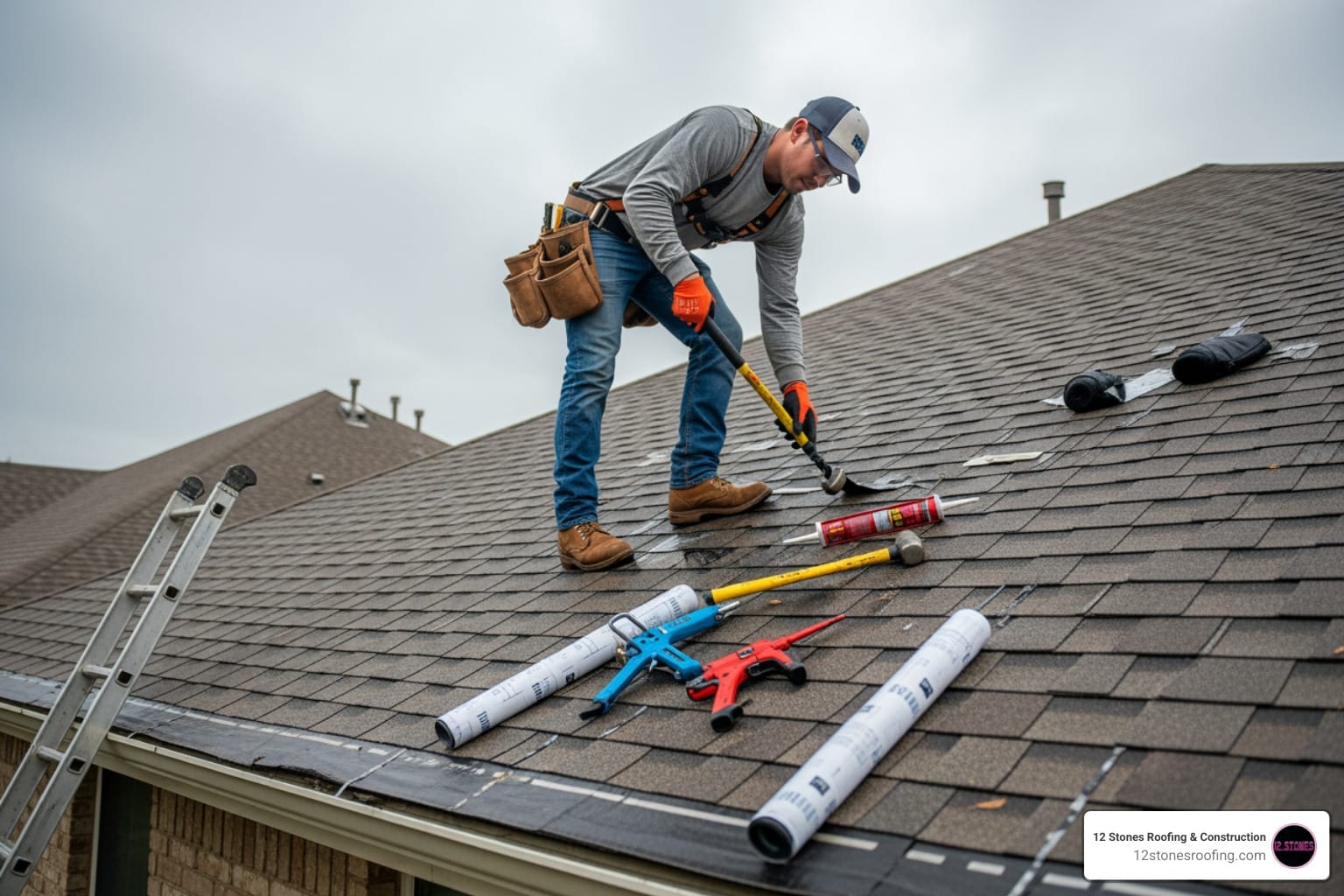

Why Finding a Certified Roof Inspector Near You Matters
When severe Texas weather strikes or your roof shows signs of aging, knowing its true condition isn’t just helpful—it’s essential. A certified roof inspector near me brings specialized training that goes far beyond what a general home inspector can offer. A certified roof inspection focuses exclusively on your roofing system, examining everything from shingle integrity and flashing to moisture detection and structural soundness. This depth of expertise is critical when filing insurance claims, buying or selling property, or planning maintenance that could save thousands in future repairs.
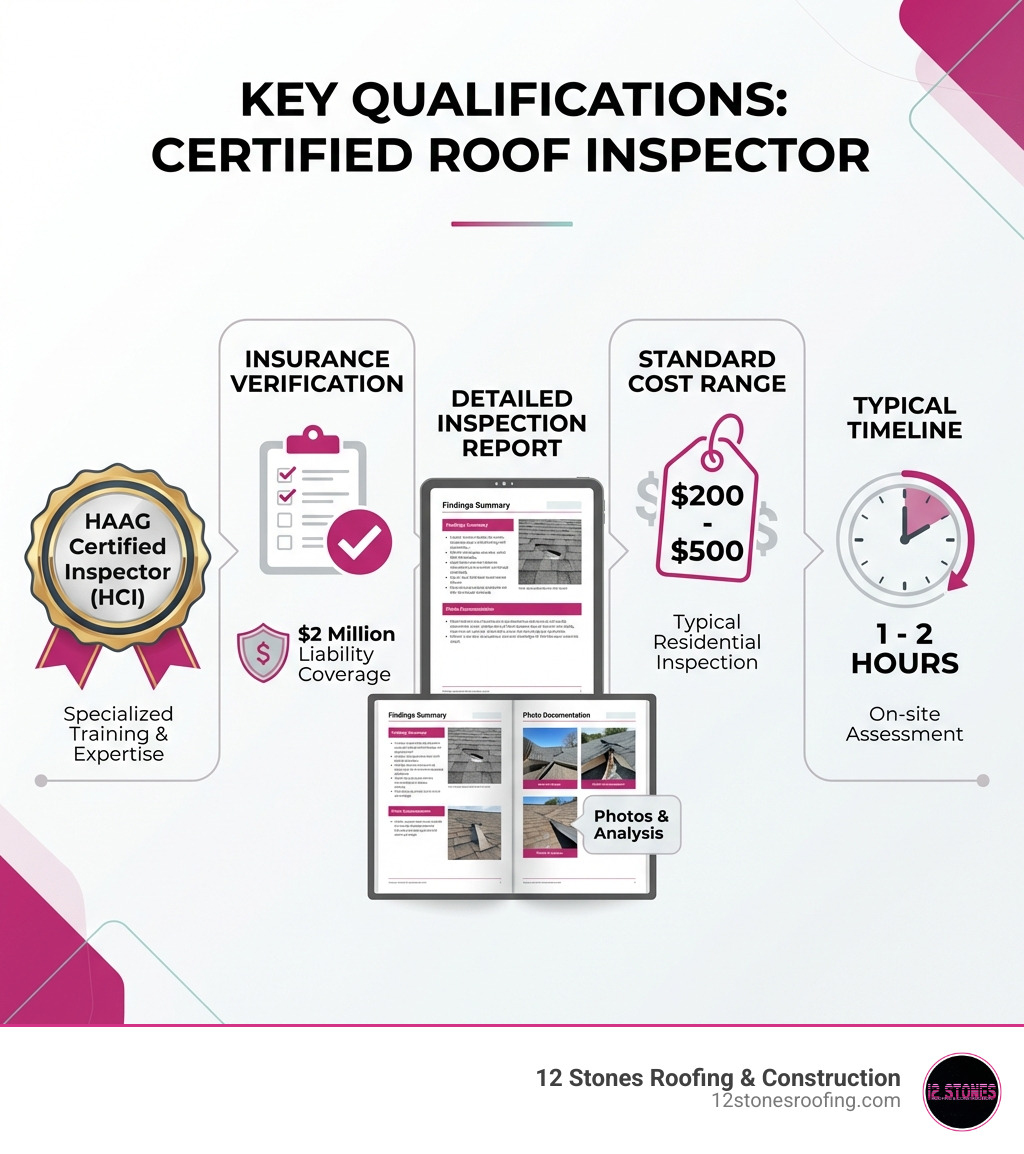
According to industry data, certified inspectors complete more than 80 hours of specialized classroom and hands-on training, equipping them to spot issues like hail damage, wind damage, and structural concerns that untrained eyes typically miss. Here’s how to find a qualified professional quickly:
Quick Steps to Find a Certified Roof Inspector:
- Verify certifications – Look for credentials from industry leaders like HAAG or the Tile Roofing Institute.
- Check insurance and licensing – Ensure they carry adequate liability coverage (minimum $2 million recommended).
- Read local reviews – Focus on recent customer experiences in your area.
- Request a sample report – Quality inspectors provide detailed, photo-documented findings.
- Compare pricing – Expect $200-$500 for standard residential inspections.
I’m Jason Roberts, owner of 12 Stones Roofing & Construction, and I’ve spent over a decade helping Gulf Coast property owners steer roof inspections, insurance claims, and major roofing decisions. Our team holds certifications from top manufacturers and maintains an A+ BBB rating. I’ve personally seen how a thorough inspection can prevent costly surprises and protect your home investment. Let me walk you through exactly what to look for.
What Does It Mean to Be a Certified Roof Inspector?
A certified roof inspector is a professional who has completed advanced training and holds credentials from respected industry organizations. These certifications ensure the inspector can accurately identify issues such as hail, wind, and age-related damage that untrained eyes might miss. On average, certified inspectors undergo more than 80 hours of specialized education and hands-on experience.
Think of it this way: just as you wouldn’t trust a general practitioner to perform heart surgery, you shouldn’t rely on someone without specialized training to assess your roof’s health. A certified inspector isn’t just looking for obvious leaks; they’re trained to spot subtle signs of wear, potential vulnerabilities, and damage that could escalate into major problems. This specialized knowledge is what truly sets them apart, turning a casual look into a forensic examination.
Key Certifications and Qualifications to Look For
When you’re searching for a certified roof inspector near me in Pasadena, TX, knowing which credentials matter can help you find a true professional. These certifications represent rigorous training and a commitment to industry best practices.
- HAAG Certified Inspector (HCI): This is one of the most respected certifications for damage assessment. HAAG-certified inspectors are trained to scientifically evaluate wind, hail, and other storm-related damage, distinguishing it from normal wear and tear. This expertise is invaluable for insurance claims.
- Tile Roofing Institute (TRI) Certification: If your home features a tile roof, this certification is a must-have. TRI-certified inspectors have specialized knowledge of tile roof systems, their unique installation requirements, and common issues specific to clay, concrete, or synthetic tiles.
- National Roofing Contractors Association (NRCA) Membership: While not a certification, NRCA membership signifies a commitment to professionalism and high industry standards. It indicates the inspector stays updated on the latest roofing technologies, materials, and installation techniques.
- InterNACHI Certification: The International Association of Certified Home Inspectors (InterNACHI) offers comprehensive certification that includes extensive training on roofing systems. An InterNACHI-certified inspector with a focus on roofing will have strong foundational knowledge.
- State and Regional Licensing: Always ensure your inspector holds all necessary state and local licenses. A reputable inspector will always be compliant and transparent about their credentials.
- Proof of Ongoing Education and Insurance: The roofing industry is constantly evolving. A true professional will demonstrate a commitment to continuing education. Furthermore, they must carry comprehensive Errors and Omissions (E&O) and general liability insurance. Many top-tier certified roofers are required to carry liability coverage of at least $2 million, providing you with peace of mind.
Certified Roof Inspector vs. General Home Inspector
While general home inspectors are skilled professionals, their scope is broad, covering hundreds of points across an entire property. A certified roof inspector near me, however, provides a deep dive into the single system designed to protect your most valuable asset.
- Certified Roof Inspector: These specialists focus exclusively on roofing systems. Their training includes advanced damage detection, knowledge of how weather impacts different materials, and expertise in documenting issues for insurance claims. They often use modern technology like drones and infrared cameras.
- General Home Inspector: A general home inspector provides a broad overview of a home’s systems – plumbing, electrical, HVAC, foundation, and the roof. They are excellent at identifying general deficiencies but may not have the specialized knowledge for complex storm damage analysis or insurance claim documentation.
To illustrate the difference, here is a quick comparison:
| Feature | Certified Roof Inspector | General Home Inspector |
|---|---|---|
| Scope of Inspection | Deep, specialized focus on roofing system and components | Broad overview of entire home’s accessible systems |
| Damage Detection | Advanced, forensic analysis of storm, hail, wind, material defects | General identification of visible defects and wear |
| Insurance Claims | Expert documentation, cause of loss, duration determination | May identify damage but typically lacks specialized reporting |
| Technology Used | Drones, infrared, moisture meters | Standard visual inspection tools |
| Reporting Detail (Roof) | Highly detailed, photographic, specific repair estimates | General observations, broad recommendations |
| Certifications | HAAG, TRI, NRCIA, specialized roofing programs | ASHI, InterNACHI (general home inspection) |
| Cost | Typically $200-$500 (may vary) | $300-$500+ (for entire home) |
Services Provided by Certified Roof Inspectors
When you hire a certified roof inspector near me, you’re investing in a comprehensive suite of services designed to protect your home and your wallet.
- Leak Detection and Moisture Analysis: Certified inspectors use advanced tools like infrared thermography and moisture meters to detect hidden leaks and moisture that aren’t visible to the naked eye, preventing extensive damage.
- Storm and Hail Damage Assessment: After a weather event, a certified inspector can accurately assess damage from hail, wind, or debris, differentiating it from pre-existing wear, which is crucial for insurance claims. Learn more about hail damage inspections.
- Pre-Purchase and Pre-Sale Roof Inspections: For buyers, an inspection reveals potential issues before closing. For sellers, it identifies problems that can be addressed proactively, preventing surprises that could derail a sale.
- Insurance Claim Documentation: A certified inspector provides unbiased, third-party documentation—including photos, weather reports, and repair estimates—to support your claim and ensure fair compensation. Learn more about roof inspections for insurance.
- Warranty Compliance Checks: Many roofing manufacturers require periodic inspections to keep warranties valid. A certified inspector can perform these checks to ensure your roof meets all necessary conditions.
- Preventative Maintenance Planning: Beyond identifying existing problems, a certified inspector can offer recommendations for preventative maintenance to extend your roof’s lifespan and avoid costly emergency repairs.
The 4-Step Certified Roof Inspection Process
A certified roof inspection is a comprehensive, multi-point evaluation designed to give you a clear understanding of your roof’s condition. The process is non-invasive and typically takes 1-2 hours for a standard home. It’s a systematic investigation that leaves no shingle unturned and no flashing unexamined. We believe in transparency, so let’s break down what you can expect during an inspection.
Step 1: Exterior and Ground-Level Assessment
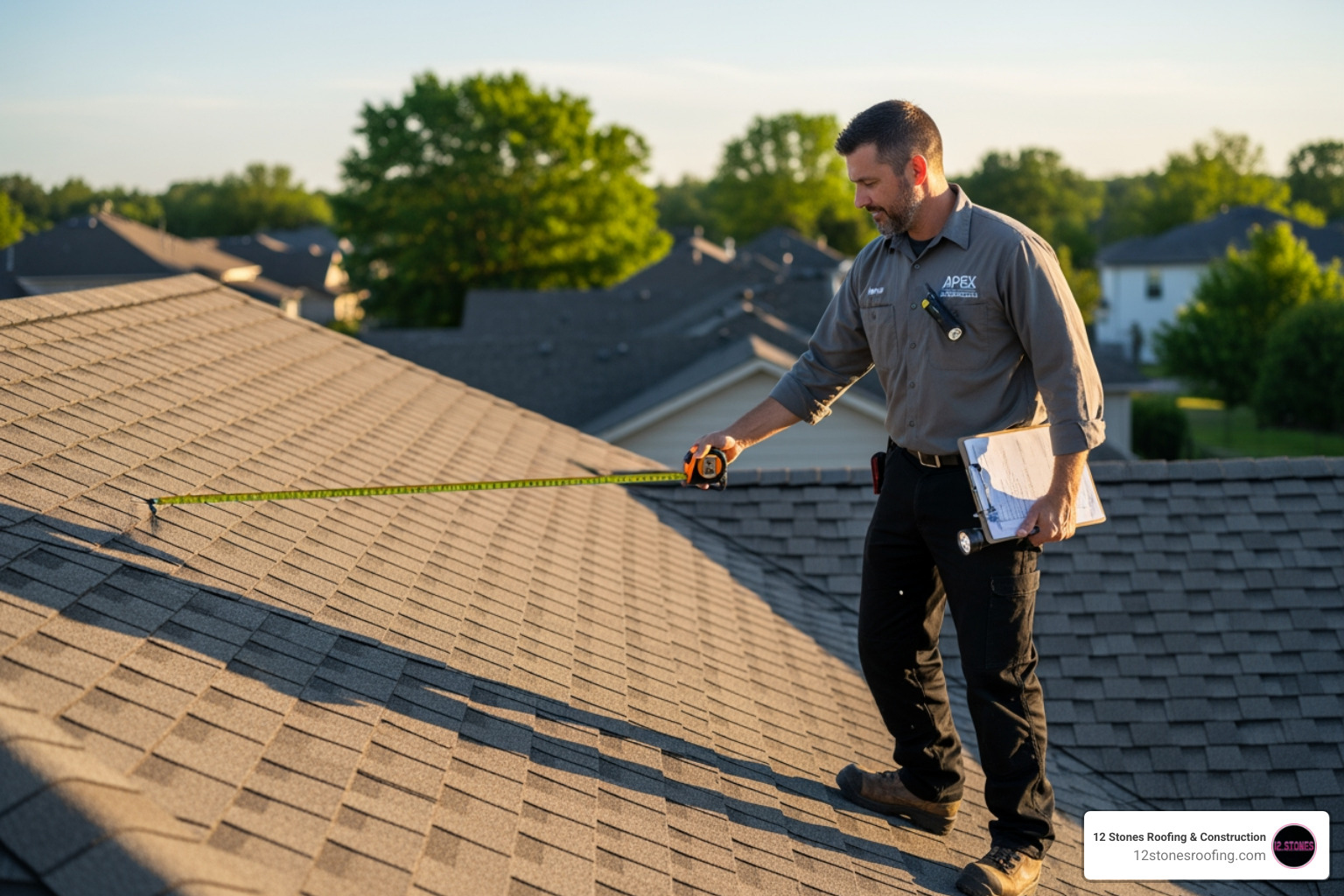
Before stepping on your roof, a thorough ground-level assessment sets the stage. This initial phase helps us understand the broader context of your home’s exterior and how it might impact your roof.
- Inspection of Siding, Windows, and Gutters: We check these components for signs of water damage, leaks, or blockages. Damaged gutters, for instance, can cause water to back up under your roof, leading to fascia rot.
- Foundation and Landscaping Review: The ground around your home plays a crucial role in water management. We assess the grading to ensure water properly drains away from your foundation, preventing moisture issues that can compromise your home’s structure.
- Debris and Drainage Analysis: We observe any visible debris on the roof from the ground, such as fallen branches or excessive leaves, which can trap moisture and accelerate deterioration.
Step 2: On-Roof Inspection
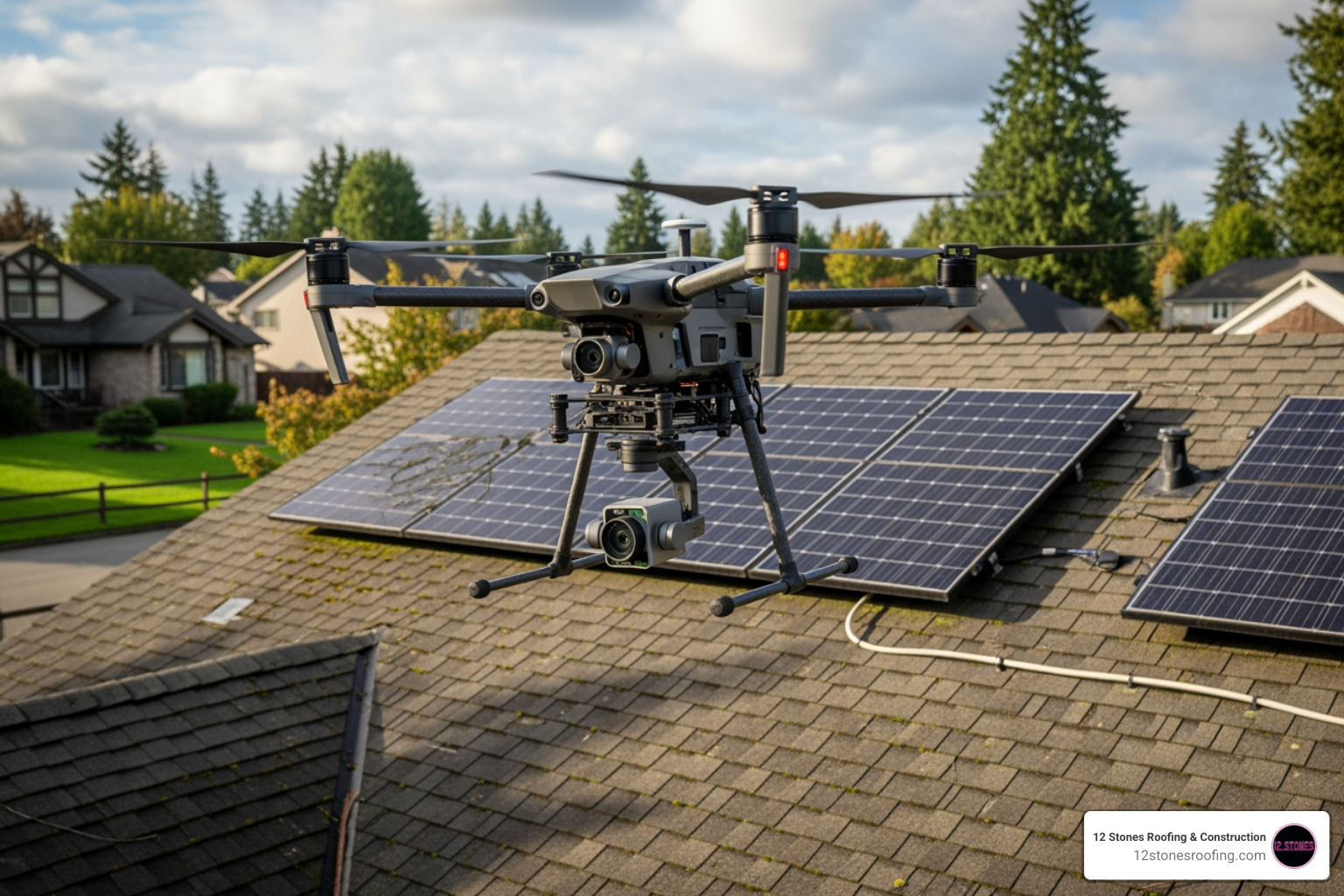
This is where our certified inspector meets your roof. Safety is our top priority, and we use appropriate equipment and techniques for a thorough inspection. For roofs that are too steep, unsafe to walk, or have delicate materials, we leverage advanced technology like drones.
- Detailed Examination of Roofing Materials: We inspect every square foot of your roofing material for signs of wear, damage, or improper installation. This includes looking for missing, cracked, or blistering shingles, granular loss, and hail impact marks. For tile or metal roofs, we check for cracks, dents, rust, or loose fasteners.
- Flashing, Sealant, and Vent Inspection: Flashing around chimneys, skylights, and vents is critical for preventing leaks. We inspect these areas for deterioration or gaps where water could penetrate. We also check all roof vents for damage or blockages to ensure proper attic ventilation.
- Chimney and Structural Integrity Check: We examine the chimney cap, crown, mortar joints, and flashing for any issues. We also look for any signs of sagging in the roof itself, which could indicate serious underlying problems.
- Explore drone roof inspection technology https://12stonesroofing.com/blog/drone-roof-inspection-houston/
Step 3: Interior and Attic Evaluation
Sometimes, the clearest signs of roof problems are found from the inside. Our interior and attic evaluation is crucial for identifying hidden issues that might not be visible from the exterior.
- Checking for Water Stains and Proper Ventilation: We look for evidence of water intrusion in your attic, such as stains on the roof decking or insulation. We also assess the attic’s ventilation system, as poor ventilation can shorten your roof’s lifespan and cause moisture buildup.
- Insulation and Structural Component Assessment: We examine the condition of your attic insulation and the structural components of your roof, such as rafters and trusses, for any signs of damage, rot, or weakness.
Step 4: Reporting and Consultation
The inspection isn’t complete until you have a clear, actionable understanding of our findings. This final step translates all the gathered information into practical advice.
- Comprehensive Findings with Annotated Photos: We provide a detailed report with high-resolution, annotated photos of any issues we’ve identified. These visuals help you clearly see and understand the documented problems.
- Clear Repair Recommendations and Cost Estimates: Our report will outline specific recommendations for repairs, maintenance, or replacement, prioritized by urgency. Where applicable, we’ll include estimated costs to give you a clear financial picture.
- Homeowner Q&A Session: After you’ve reviewed the report, we’ll schedule a consultation to walk you through our findings, answer all your questions, and discuss your options. We’re here to ensure you feel confident and informed about the next steps for your roof.
How to Find a Trusted Certified Roof Inspector Near You
Finding the right certified roof inspector near me is like finding a good doctor—you want someone experienced, trustworthy, and highly qualified. For homeowners in Pasadena, TX, this means looking for a combination of credentials, local experience, and a sterling reputation.
Steps to Selecting the Best Inspector
Choosing the right professional can save you significant time, money, and stress. Here’s our guide to making the best choice:
- Verify Certifications (HAAG, TRI, NRCA, InterNACHI): As we discussed, these certifications are the gold standard. A reputable inspector will be proud to share their credentials and explain what they mean for your inspection.
- Read Verified Customer Reviews: Online reviews offer invaluable insights into an inspector’s professionalism, thoroughness, and communication skills. Look for consistent positive feedback on local platforms. See what local customers are saying.
- Request Proof of Insurance and Sample Reports: Any legitimate inspector must carry Errors and Omissions (E&O) and general liability insurance. Also, ask for a sample report. This will give you a clear idea of the detail and clarity you can expect, showing things like annotated photos and clear explanations.
- Ask About Experience with Your Specific Roof Type: Pasadena homes feature a variety of roofing materials. Ensure the inspector has specific experience with your roof type, whether it’s asphalt shingles, metal, or tile.
- Inquire About Their Inspection Methodology: Ask about their process. Do they walk the roof (if safe)? Do they use drones or infrared technology? Do they inspect the attic? A thorough inspector will be happy to explain their multi-point approach.
What Does a Certified Roof Inspection Cost?
The cost of a certified roof inspection is an investment in your property’s health. Here’s what to expect:
- National Average: For a standard residential roof, you can typically expect to pay between $200 and $500. This range reflects the complexity of the inspection and the expertise of the certified professional.
- Factors Influencing Cost: Several elements can affect the final price:
- Roof Size and Pitch: Larger or steeper roofs require more time and equipment.
- Roof Complexity: Features like multiple valleys, skylights, and chimneys add to the inspection time.
- Material Type: Inspecting a slate or tile roof can be more intricate than a standard asphalt shingle roof.
- Accessibility: Difficult-to-access roofs may incur a higher fee.
- “Free” Inspections vs. Paid, Unbiased Reports: Some roofing companies offer “free” inspections, often tied to a repair estimate. While convenient, their primary goal is often to secure a job. A paid inspection from an independent, certified inspector provides an unbiased, objective assessment of your roof’s condition. The value of a paid inspection lies in this impartial, detailed reporting, giving you true peace of mind without sales pressure.
- Minor Repairs: If an inspection uncovers minor issues, addressing them promptly can save you a bundle. Roof repairs for small areas can cost between $350 and $1,000, including labor and materials, which is far less than a full replacement.
Understanding Your Roof Inspection Report
So, you’ve invested in a professional, certified roof inspector near me, and the inspection is complete. You will now receive a comprehensive roof inspection report. This isn’t just a piece of paper; it’s a detailed, actionable document that serves as your roof’s health record. It’s essential for maintenance planning, insurance claims, and making informed decisions about your property.
Key Elements of a Quality Report
A truly valuable roof inspection report goes beyond a simple checklist. It provides clarity, evidence, and a roadmap for your roof’s future. Here’s what a quality report should always include:
- Executive Summary of Findings: This section provides a concise overview of the roof’s overall condition, highlighting the most critical issues and immediate concerns.
- Photo Documentation of All Issues: High-resolution photos, clearly annotated to point out specific defects, damage, or areas of concern, are crucial. These visuals provide undeniable evidence and help you understand exactly what the inspector saw.
- Detailed Descriptions and Severity Ratings: Each identified issue should come with a clear, easy-to-understand description and a severity rating (e.g., minor, moderate, severe) to help you prioritize repairs.
- Maintenance and Repair Recommendations: The report should not just tell you what’s wrong but also what needs to be done. It should provide specific, actionable recommendations for repairs or maintenance.
- Estimated Remaining Roof Lifespan: Based on the roof’s current condition, material type, and age, the report should provide an estimate of its remaining useful life. This is valuable for long-term planning and real estate transactions.
- Cost Estimates for Repairs or Replacement: While not always exact quotes, a quality report will often include estimated costs for the recommended repairs or, if necessary, a full roof replacement. This helps you budget and make informed financial decisions.
Top 3 Benefits of a Certified Roof Inspection
A certified roof inspection is a smart investment that pays off in multiple ways. It’s about more than just finding problems; it’s about empowerment, protection, and peace of mind.
1. Simplifies Insurance Claims and Renewals
Dealing with insurance companies can be a headache, especially after a storm. A certified roof inspector near me can be your best ally. Their detailed reports provide the unbiased, third-party documentation required by insurance companies for storm damage claims and policy renewals, significantly reducing the risk of disputes or denials. When an insurance company is asking for a roof certification inspection, especially for homes with older roofs, it’s to determine continued coverage eligibility. A certified report verifies your roof is sound, making the process smoother. Learn more about roof inspections for insurance.
2. Adds Value in Real Estate Transactions
Whether you’re buying or selling a home in Pasadena, a certified roof inspection can be a game-changer. For buyers, a clean inspection report provides immense confidence, knowing they’re investing in a property with a sound roof. For sellers, addressing any roof issues proactively, guided by an inspection report, can prevent last-minute negotiations or delays. Many lenders even require a roof certification for financing, making this inspection a crucial step in the real estate process. It’s an investment that can significantly improve your property’s marketability and value.
3. Prevents Small Issues from Becoming Costly Repairs
This is perhaps one of the most tangible benefits. Our roofs are constantly exposed to the elements, and small issues, if left unattended, can quickly escalate. Early detection of minor problems—such as a few loose shingles, a deteriorating sealant around a vent, or a small area of granular loss—can prevent expensive leaks, widespread water damage, and even structural compromise. Minor roof repairs typically range from $350–$1,000. Catching these early can extend your roof’s lifespan by years, saving you from a premature and much more expensive full roof replacement. It’s like going to the dentist for a small cavity instead of waiting for a root canal!
Conclusion: Secure Your Home’s Future with a Certified Roof Inspection
Your home is likely your most significant investment, and its roof is its primary protector. Ignoring its condition is like ignoring a check engine light—it’s only a matter of time before a small issue becomes a major breakdown. A certified roof inspection is the most effective way to safeguard your home, avoid unexpected expenses, and ensure peace of mind, especially when facing the unique challenges of Texas weather.
By choosing a reputable, credentialed local expert for a certified roof inspector near me, you’re making a wise investment in your property’s long-term value and safety. This isn’t just about identifying problems; it’s about gaining clarity, having documented evidence, and making informed decisions that protect your family and your finances.
If you’re in Pasadena, TX or the surrounding area, trust the professionals at 12 Stones Roofing & Construction for your next roof inspection. We pride ourselves on our meticulous process, transparent reporting, and commitment to your home’s integrity. Don’t wait for a problem to appear—schedule your comprehensive evaluation today and experience true peace of mind.