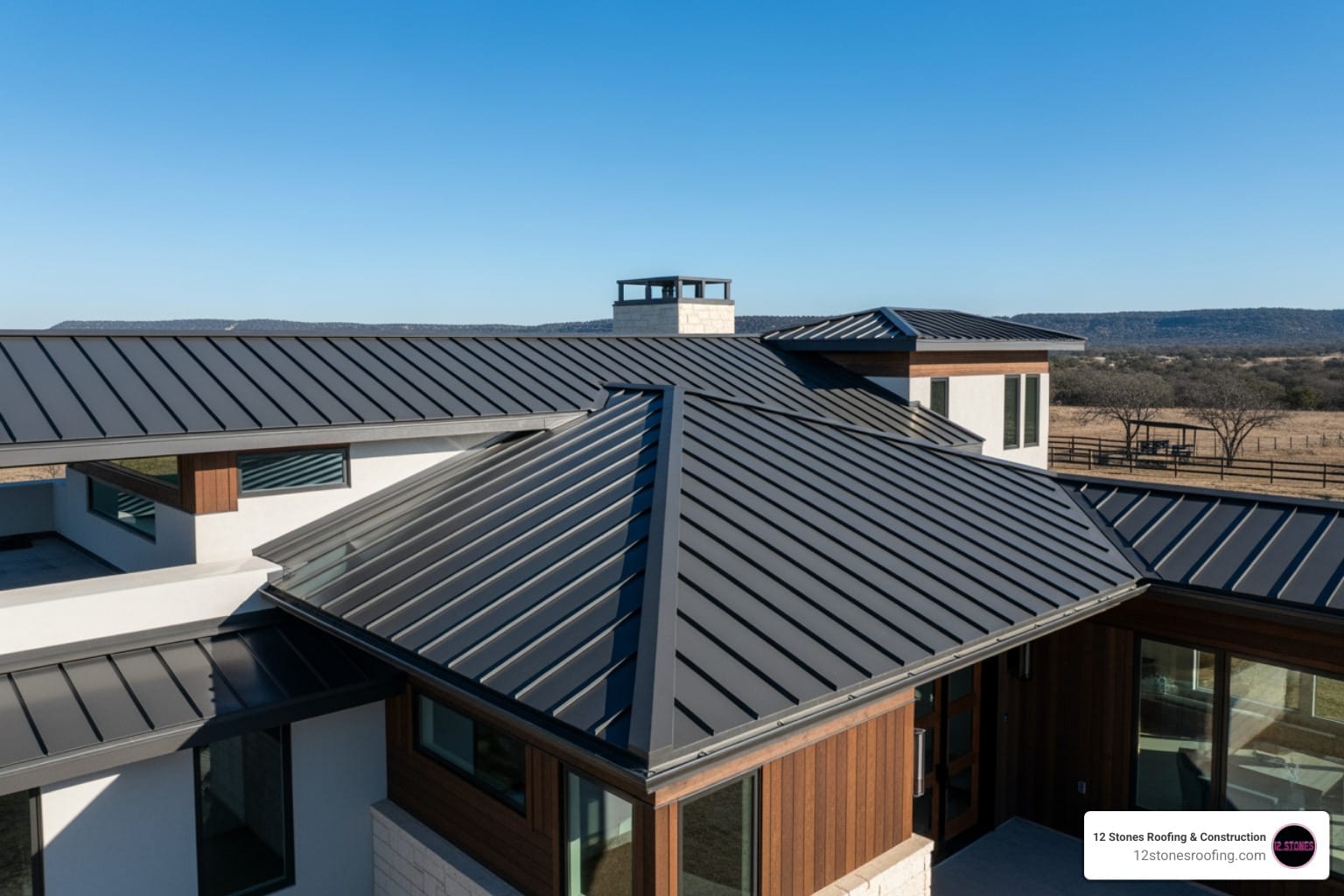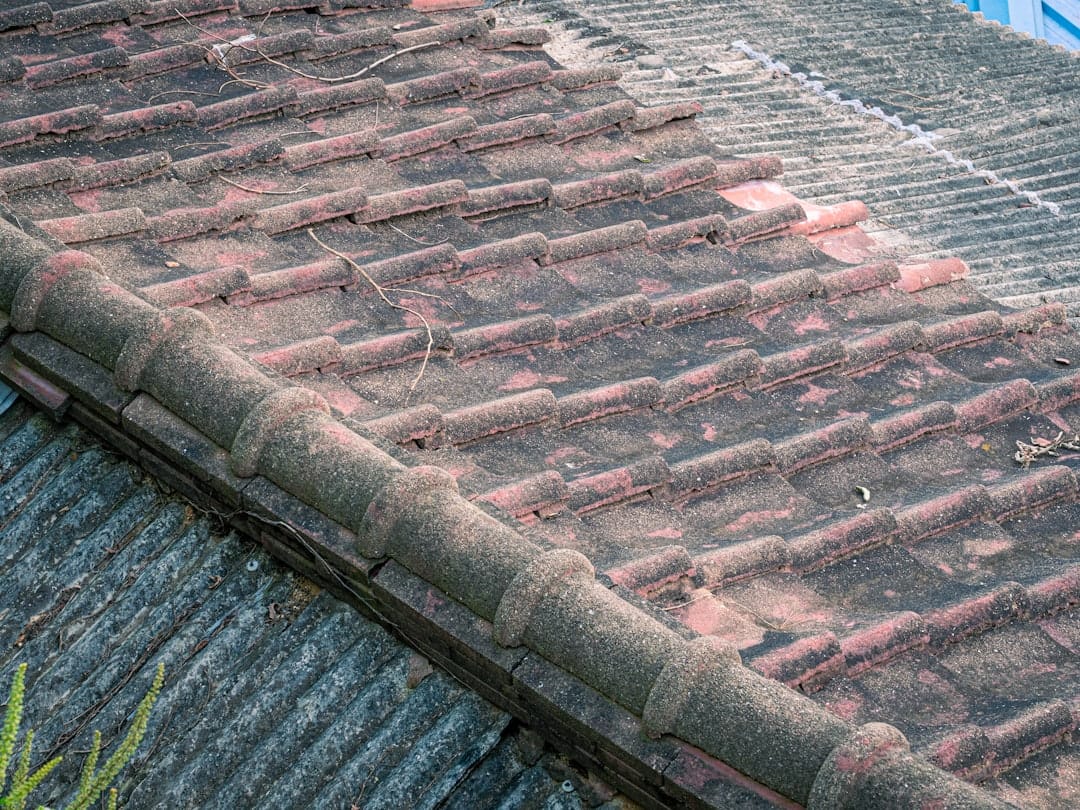

Understanding the Unique Challenges of Flat Roofs
Flat roofs offer a sleek, modern design and valuable space for gardens or solar panels, but their low slope makes them uniquely vulnerable to water damage. Unlike pitched roofs that shed water naturally, flat roofs depend on flawless drainage and membrane integrity to prevent leaks. For homeowners in Pasadena, TX, understanding how to perform residential flat roof repair is critical, and for complex issues, the expertise of a trusted contractor like 12 Stones Roofing & Construction is invaluable.
The most common issue is ponding water—water that remains on the roof for more than 48 hours after rain. This standing water accelerates material breakdown and exploits any weakness in the membrane, flashing, or seams. While a well-maintained flat roof can last 20-25 years, neglecting minor issues can quickly lead to costly structural damage.
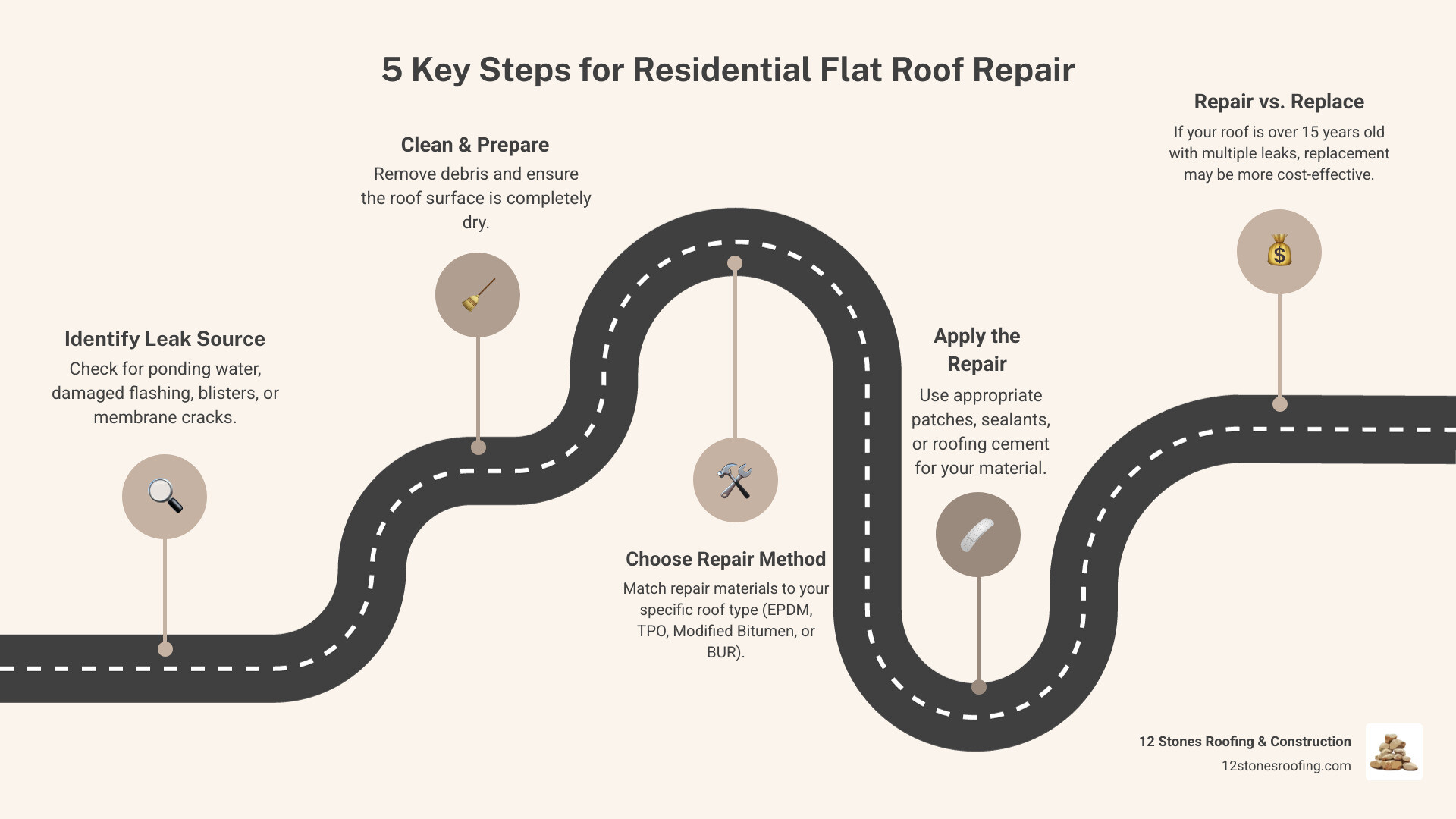
Key Steps for Residential Flat Roof Repair:
- Identify the Leak Source: Check for ponding water, damaged flashing, blisters, or membrane cracks.
- Clean and Prepare: Remove all debris and ensure the surface is completely dry.
- Choose the Right Method: Match repair materials to your roof type (EPDM, TPO, Modified Bitumen, or BUR).
- Apply the Repair: Use the appropriate patches, sealants, or roofing cement.
- Assess Repair vs. Replacement: If the roof is over 15 years old with multiple leaks, replacement may be more cost-effective.
Knowing when a DIY repair is feasible versus when you need professional help is key. Small punctures can often be patched, but widespread damage or water-soaked insulation requires expert intervention to protect your investment.
Glossary for residential flat roof repair:
First Steps: Identifying Flat Roof Problems and Their Causes
When it comes to residential flat roof repair, early detection is paramount. An interior ceiling stain rarely aligns with the exterior entry point, as water can travel between roofing layers before becoming visible. A thorough roof inspection is the only way to find the true source of a leak.
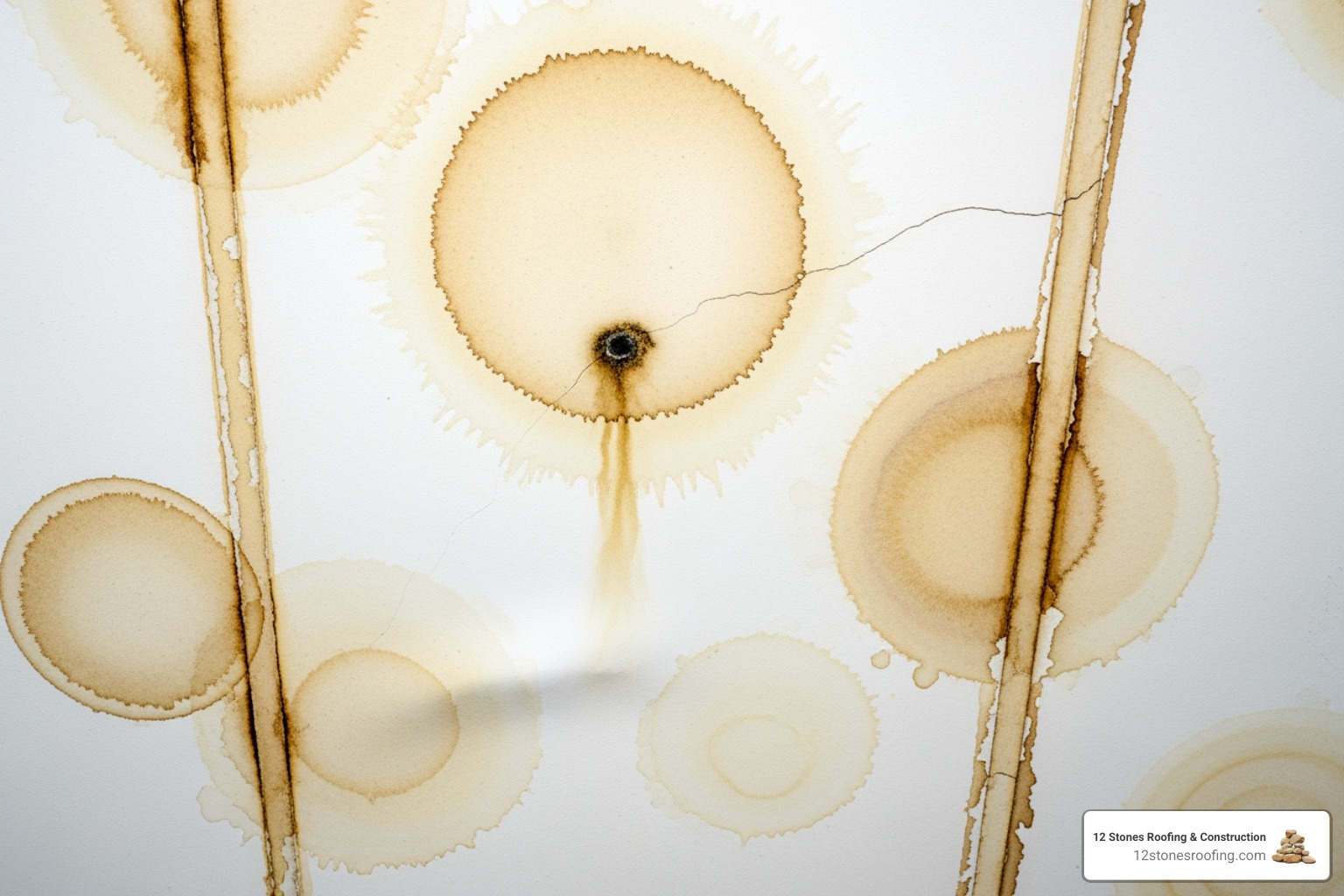
What are the common signs of a flat roof leak?
Look for these indicators both inside and outside your home:
- Interior Signs: Damp patches on ceilings, cracked or peeling paint, and visible mold or mildew growth, often with a musty odor.
- Exterior Signs: Water pooling for over 48 hours (ponding), cracked or blistering membranes, damaged flashing around vents and skylights, and debris accumulation that clogs drains.
What causes flat roof leaks?
Several factors contribute to flat roof failure, from environmental stress to installation flaws:
- Ponding Water: This is the primary culprit. Standing water puts constant pressure on the membrane, accelerating its breakdown.
- Damaged Flashing: Flashing seals vulnerable joints. If it’s cracked, loose, or improperly sealed, it becomes a direct entry point for water.
- Thermal Movement: Extreme temperature fluctuations, common in Pasadena, TX, cause materials to expand and contract, leading to stress cracks.
- Material Failure: Trapped moisture can form blisters that burst, creating holes. Seams can also separate if the sealant deteriorates.
- Age and Weather: A roof’s materials naturally break down over its 15- to 25-year lifespan. Hail and high winds can also cause punctures and tears. After a storm, it’s wise to inspect for roof damage from rain and other impacts.
- Poor Installation or Design: An improper slope or weak spots from a flawed installation will inevitably lead to drainage issues and leaks.
The Critical Role of Flashing and Drainage
Flashing and drainage are the two most critical components for a healthy flat roof. Flashing—the material used to seal joints around vents, skylights, and walls—is a primary failure point. If flashing is compromised, the roof will leak, regardless of the main membrane’s condition.
Poor drainage is equally destructive. Unlike pitched roofs, flat roofs need a slight slope to direct water to drains. When this system fails due to clogs or design flaws, ponding water occurs. This standing water degrades sealants, rots the underlying structure, and turns minor issues into major repairs.
How-To Guide: Common Residential Flat Roof Repair Methods
Before starting any residential flat roof repair, ensure the roof is completely clean and dry. Safety is paramount; never work on a wet or icy roof, and always use a sturdy, well-placed ladder. We always prioritize safety on every job.

Safety and Tool Checklist
- Safety First: Use a sturdy ladder on level ground, preferably with a spotter. Wear non-slip boots, gloves, and safety goggles. Be aware of power lines and skylights. If a repair feels too complex or dangerous, call a professional.
- Essential Tools: Your basic toolkit should include a utility knife, trowel, stiff-bristle broom, caulking gun, and rags. Depending on the repair, you may also need galvanized roofing nails and material-specific patches or sealants.
For more general tips, you can refer to external resources like How To Repair a Leaky Roof.
Repairing Different Flat Roof Material Types
The repair method depends entirely on your roof’s material. Using the wrong product can cause more damage. You can learn more about the different flat roof material types to identify yours.
- EPDM (Rubber) Roof Repair: EPDM is a durable synthetic rubber. Small leaks can be fixed with a compatible lap sealant. For larger punctures, clean the area and apply a self-adhesive rubber patch from an EPDM repair kit.
- TPO & PVC Roof Repair: These single-ply membranes have heat-welded seams. Repairing them properly requires a heat air gun to fuse new material to the old, which is a job best left to specialists. Small punctures may be sealed with a compatible sealant, but seam issues require professional tools.
- Modified Bitumen (Mod-Bit) & BUR (Built-Up Roofing) Repair: These asphalt-based roofs are complex. Small cracks in Mod-Bit can be sealed with roofing cement or mastic. For BUR (tar and gravel), a blister can be repaired by cutting it open, drying the area, applying roofing cement, and nailing it down before resealing. Due to the materials and tools involved (including torches), these repairs are often best handled by a professional.
How to Fix Punctures, Blisters, and Seam Issues
What are the best methods for repairing different types of flat roof damage?
-
For Punctures:
- Thoroughly clean and dry the area around the puncture.
- Apply a compatible roofing cement or sealant.
- Cover with a patch appropriate for your roof material (e.g., self-adhesive for EPDM), extending it several inches beyond the hole.
- Firmly seal all edges of the patch.
-
For Blisters:
- Carefully slice the blister open with a utility knife.
- Dry the area completely, pressing out any trapped water.
- Apply a thick layer of roofing cement under the loose flaps and press them down.
- Secure the repair with galvanized roofing nails along the cut and cover the entire area with more roofing cement to make it watertight.
-
For Seam Issues:
- Clean the deteriorating seam, removing old sealant and debris.
- Apply a generous bead of new, compatible sealant along the entire length of the weak seam. For added durability, a reinforcing fabric can be embedded in the sealant.
Repair or Replace? Making the Right Financial Decision
Deciding between a residential flat roof repair and a full replacement is a critical financial choice. Sometimes, frequent repairs can cost more in the long run than a one-time replacement.
When is it more cost-effective to repair a flat roof versus replacing it?
Consider these factors to make an informed decision:
- Age of the Roof: Most flat roofs last 15-25 years. If your roof is young (under 12 years) and has an isolated leak, a repair is logical. If it’s approaching the end of its lifespan and showing age-related failures, replacement is often the smarter investment.
- Extent of Damage: A single puncture or a few blisters are ideal candidates for repair. However, if you have multiple leaks, widespread blistering, or signs that over 25% of the underlying insulation is wet, a full replacement is necessary.
- Cost Analysis: If the estimated cost of repairs exceeds 50% of the cost of a new roof, replacement offers better long-term value and comes with a new warranty.
How does age affect repair needs?
The typical lifespan of a flat roof varies by material:
- BUR & Modified Bitumen: 15-20 years
- EPDM, TPO & PVC: 20-30+ years
As a roof ages, its materials become brittle, sealants fail, and layers can separate (delaminate). Years of minor leaks or ponding can also weaken the roof deck. When you see these widespread signs of aging, a replacement is the only way to ensure renewed, long-term protection.
DIY vs. Hiring a Professional: A Crucial Decision for Residential Flat Roof Repair
While a DIY repair might seem like a way to save money, the complexities of residential flat roof repair mean this decision carries significant risk. Improper repairs can trap moisture, leading to rot, mold, and structural damage that is far more expensive to fix.
What are the risks and benefits of DIY flat roof repair versus hiring a professional?
| Feature | DIY Residential Flat Roof Repair | Professional Residential Flat Roof Repair |
|---|---|---|
| Cost | Lower upfront material cost, no labor fees. | Higher upfront cost. |
| Safety | High risk of falls, burns (torch-down), chemical exposure. | Professionals are trained in safety protocols, reducing accident risk. |
| Expertise | May lack specialized knowledge to diagnose complex issues or use correct materials. | Extensive knowledge of flat roof systems, materials, and repair techniques. |
| Tools | May not have access to specialized tools (e.g., heat welders for TPO/PVC). | Access to high-quality, specialized tools for efficient and effective repairs. |
| Material Access | Limited access to professional-grade materials. | Access to a wide range of high-quality roofing materials. |
| Quality | Risk of improper repairs, leading to recurring leaks or further damage. | Ensures repairs are done correctly, providing a durable, long-lasting solution. |
| Warranty | DIY repairs often void existing roof warranties; no warranty on your work. | Most contractors offer warranties on their work, providing peace of mind. |
| Time | Can be time-consuming, especially for complex issues. | Efficient and timely completion of repairs. |
| Peace of Mind | Worry about whether the repair will hold. | Confidence that the roof is properly repaired and protected. |
Professionals ensure the job is done right the first time. They have the experience to accurately diagnose issues, access to the best materials, and the training to work safely at heights.
When does a flat roof need a professional inspection?
You should call a professional if you notice any of the following:
- Multiple leaks or large damaged areas.
- Structural sagging or visible dips in the roof deck.
- Signs of wet insulation (spongy or soft spots).
- Persistent ponding water that doesn’t evaporate.
- Extensive damage to flashing around vents, pipes, or walls.
- Any doubt about the cause of the leak or the proper repair method.
Prevention is Key: Your Flat Roof Maintenance Checklist
Regular maintenance is the most effective way to prevent the need for major residential flat roof repair. A simple inspection twice a year—in the spring and fall—can help you catch problems before they escalate into costly headaches.
How can regular maintenance help prevent flat roof leaks?
Proactive maintenance addresses potential issues before they become full-blown leaks. Follow this checklist:
- Inspect Regularly: Visually inspect your roof twice a year and after major storms. Look for cracks, blisters, loose seams, and ponding water.
- Remove Debris: Clear leaves, branches, and dirt from the roof surface to prevent clogged drains and moisture traps.
- Clean Gutters and Drains: Ensure all drainage points are clear and free-flowing to prevent water from backing up.
- Trim Overhanging Branches: Cut back tree limbs that could fall and puncture the membrane or drop debris.
- Check Seals and Flashing: Pay close attention to the seals around vents, pipes, and skylights, as these are common failure points.
- Address Ponding Water: If water stands for more than 48 hours, it signals a drainage problem that needs to be corrected.
- Apply Protective Coatings: For certain roof types, a reflective coating can extend its life by sealing minor cracks and blocking UV rays. Learn more in guides like How to seal a flat roof: The definitive guide.
For a comprehensive guide, check out our Roof Maintenance Checklist.
How do weather conditions impact flat roof durability?
Weather in regions like Pasadena, TX, significantly impacts flat roofs. Intense heat and UV radiation can make materials brittle and cracked. Heavy rain exacerbates drainage issues, while hail and high winds can cause direct physical damage like punctures and tears. Regular inspections after severe weather are crucial.
Protect Your Investment with Expert Care
Tackling a residential flat roof repair can be manageable if the damage is minor and you have the right tools. However, the risks of an improper repair—from trapped moisture to structural damage—are significant. For widespread issues, complex leaks, or if you’re ever in doubt, the smartest move is to consult a professional.
We understand that your home is one of your most significant investments. The team at 12 Stones Roofing & Construction has the expertise to accurately diagnose and resolve any flat roof issue, ensuring a durable, long-lasting solution that protects your home in Pasadena, TX. Don’t let a small leak turn into a major headache. Learn more about our expert flat roofing services to protect your property.