
What Every Homeowner Needs to Know About a Hail Damage Roof Insurance Claim
A hail damage roof insurance claim is the process of filing with your homeowners insurance to cover the cost of repairing or replacing a roof after a hailstorm. Here is a quick overview of how it works:
The 5-Step Hail Claim Process at a Glance:
- Inspect – Document damage with photos and a professional roof inspection report
- Review – Check your policy for coverage, deductibles, and deadlines
- Notify – Contact your insurer promptly to open a claim
- Meet the adjuster – Be present with your contractor during the inspection
- Settle – Review the payout offer and negotiate if needed
Hailstorms are not rare events in Texas. Between 2020 and 2024, severe convective storms cost the U.S. insurance industry an average of $42 billion per year, with hail driving up to 80% of those losses. The average homeowners insurance claim for hail damage has reached $9,000, and wind and hail claims now average more than $14,700 per claim according to the Insurance Information Institute.
The good news: standard homeowners insurance typically covers hail damage as a sudden, unexpected peril. But navigating the claims process — deductibles, adjuster inspections, settlement offers, and potential denials — can feel overwhelming, especially right after a storm.
If your Pasadena-area home has been hit, getting a professional roof inspection as quickly as possible is the single most important step you can take to protect your claim.
I’m Jason Roberts, Owner of 12 Stones Roofing & Construction, a Service-Disabled Veteran-Owned roofing firm based in Pasadena, Texas, with over a decade of hands-on experience helping Gulf Coast homeowners navigate every stage of the hail damage roof insurance claim process. In the guide below, I’ll walk you through exactly what to do — from spotting damage to negotiating your settlement.

Hail damage roof insurance claim helpful reading:
Identifying the Signs: Does Your Roof Have Hail Damage?
After a major storm rolls through Pasadena or La Porte, the first thing most of us do is walk outside and check the cars. But while a dented hood is obvious, roof damage is often subtle. According to the National Oceanic and Atmospheric Administration (NOAA), severe hail events cause billions in property damage annually, yet many homeowners miss the early warning signs because they are looking for “holes” that aren’t there.

How to Spot Roof Hail Damage
When we perform a hail damage roof inspection, we aren’t just looking for missing shingles. We are looking for “functional damage”—impacts that compromise the roof’s ability to shed water.
Key signs include:
- Random Patterns: Unlike mechanical damage or wear and tear, hail hits in a random, non-linear pattern.
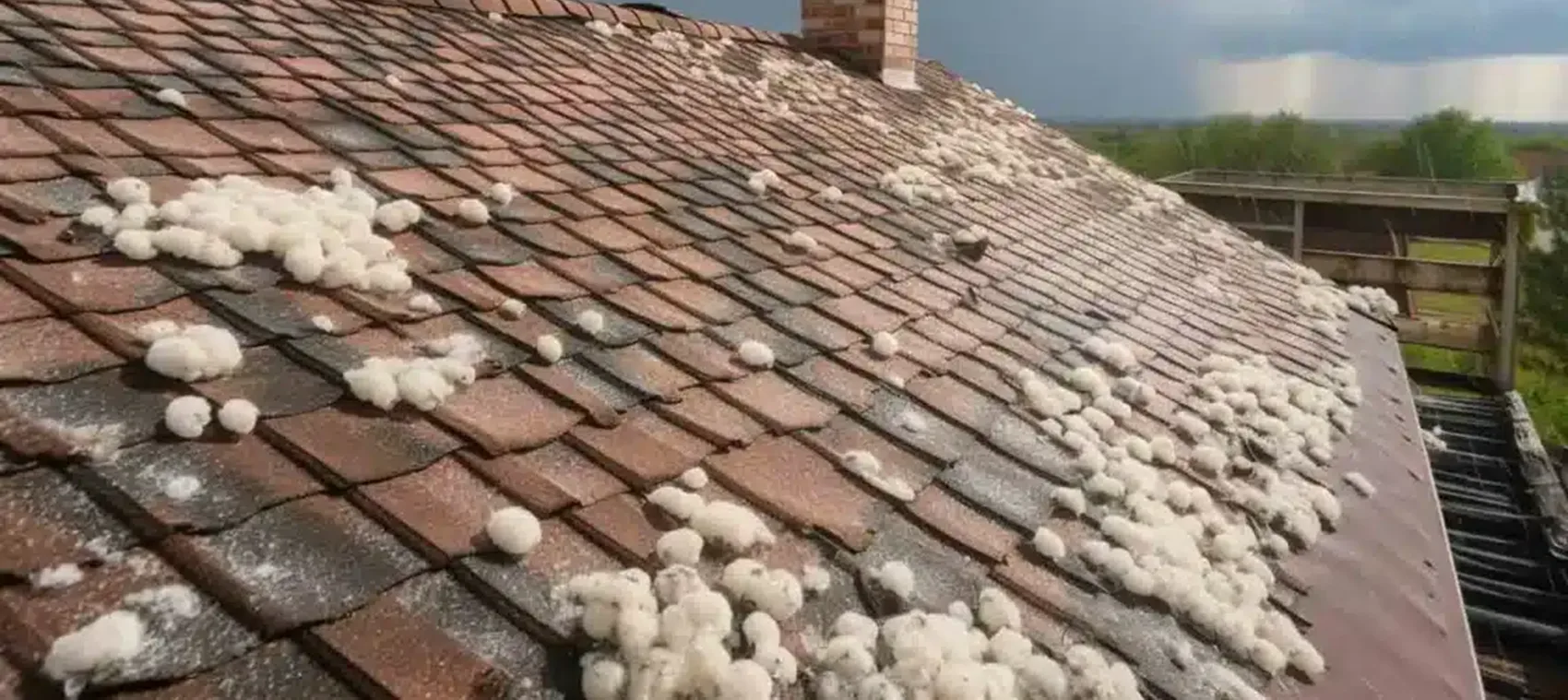
- Shingle Bruising: This looks like a dark spot where the granules have been knocked away, exposing the asphalt felt underneath. If it feels soft to the touch (like a bruise on an apple), the matting is fractured.
- Granule Loss: Check your gutters. If you see piles of mineral granules, your shingles have lost their UV protection, which leads to rapid deterioration.
- 1-Inch Threshold: Generally, hail that is 1 inch in diameter (roughly the size of a quarter) or larger is the tipping point for significant damage to asphalt shingles.
Property Signs Beyond the Shingles
You don’t always have to get on a ladder to know you have a potential hail damage roof insurance claim. We recommend looking at “collateral” areas first. If these items are damaged, your roof likely is too:
- Dented AC Units: The cooling fins on your outdoor unit are very soft and show hail pockmarks easily.
- Window Screens: Look for small tears or “shredding” in the mesh.
- Soft Metals: Check your roof vents, flashing, and gutters. Dents in these metal components are clear “fingerprints” of a hailstorm’s severity.
- Garage Doors: Large hailstones often leave visible dings on metal garage door panels.
According to Angie’s List repair cost data, while a few broken shingles might cost a few hundred dollars to fix, extensive hail damage can quickly escalate to a full replacement, averaging anywhere from $4,250 to over $25,000 depending on the material.
Step-by-Step Process for a Hail Damage Roof Insurance Claim
Filing a claim isn’t just about calling your agent; it’s about building a case. Because we live in a high-risk area like Pasadena, TX, insurance companies are very specific about the evidence they require.
How to Document Your Hail Damage Roof Insurance Claim
Documentation is the “secret sauce” to getting a claim approved. Before you even pick up the phone, you should have your evidence ready.
- Take Photos and Videos: Capture the damage from multiple angles.
- Use Scale References: Place a coin (like a quarter) or a ruler next to a hail dent. This helps the adjuster understand the size of the stones that hit your home.
- Save Weather Reports: Note the exact date and time of the storm. Having a local news clip or a weather app screenshot helps prove the “date of loss.”
- Log Everything: Keep a folder with all receipts for temporary repairs (like tarps) and a log of every conversation you have with your insurer.
For more insider tips, check out our guide on The Secret to a Successful Insurance Claim for Roof Repair.
Notifying Your Insurer and Meeting the Adjuster
Once you have your documentation, call your insurance company to get a claim number. They will assign an adjuster to visit your property.
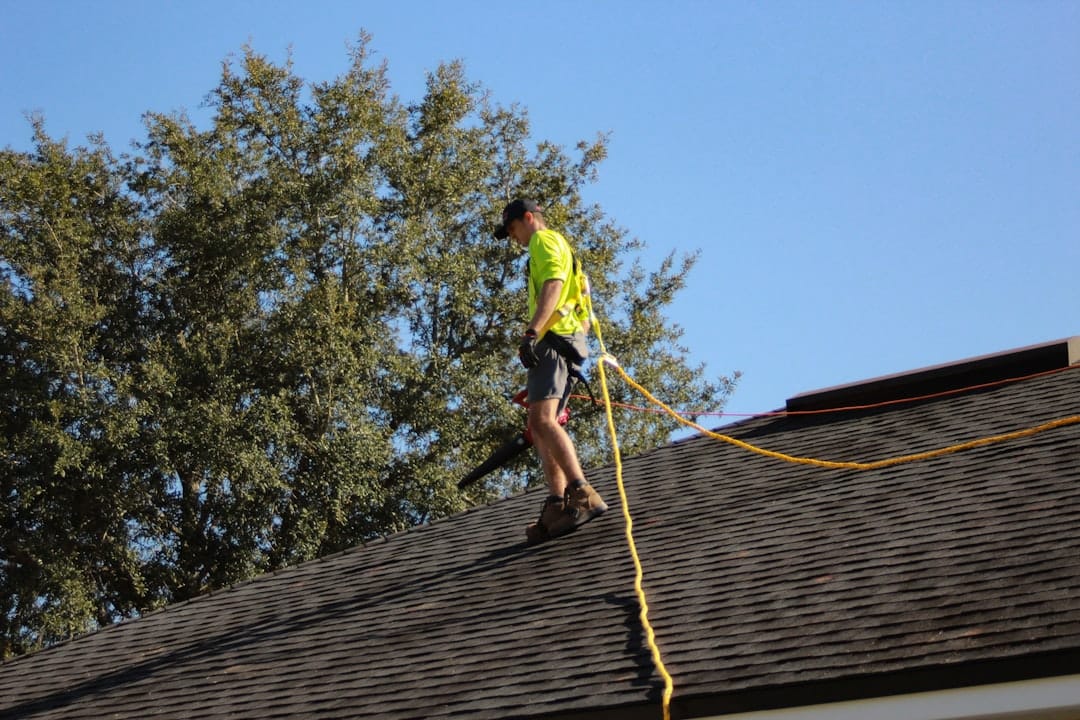
Crucial Tip: Never meet the adjuster alone. We always encourage our clients to have their roofing contractor present during the inspection. Why? Because adjusters are often busy and may miss subtle bruising or collateral damage. Having a professional from 12 Stones Roofing & Construction there ensures that the “scope of work” is accurate from day one. You can learn more about this in our Insurance Claim Roof Repair guide.
Understanding Your Policy: Deductibles, RCV, and ACV
One of the most confusing parts of a hail damage roof insurance claim is the math. Your insurance policy limits and coverage limits dictate exactly how much money lands in your bank account.
Navigating Wind and Hail Deductibles
In Texas, many policies have a separate “Wind and Hail” deductible. Instead of a flat $500 or $1,000, this is often a percentage of your home’s insured value (usually 1% to 2%).
- Example: If your home is insured for $300,000 and you have a 2% hail deductible, you are responsible for the first $6,000 of the repair.
The Difference Between ACV and RCV Payouts
How your roof is valued makes a massive difference in your payout:
| Feature | Actual Cash Value (ACV) | Replacement Cost Value (RCV) |
|---|---|---|
| Payout Basis | Replacement cost MINUS depreciation (age) | Full cost to replace today |
| Out-of-pocket | Higher (you pay for the roof’s “used” life) | Lower (deductible only) |
| Best For | Lower premiums | Maximum protection |
With an RCV policy, the insurer usually sends two checks. The first is the ACV (the “actual” value today). Once the work is completed by a roofing insurance claims expert, they release the “recoverable depreciation”—the remaining balance to cover the full roof replacement.
Navigating the Adjuster Inspection and Potential Denials
During the inspection, the adjuster will typically mark off a 10×10 foot “test square” on different slopes of your roof. If they find a certain number of hits (usually 6 to 10) within that square, they will often approve a full replacement for that slope.
Common Reasons for a Denied Hail Damage Roof Insurance Claim
It is frustrating to receive a denial letter, but it happens. Common reasons include:
- Pre-existing Wear: The insurer claims the damage is just old age or lack of maintenance.
- Cosmetic Exclusions: Some modern policies exclude damage that “looks bad” but doesn’t cause a leak (common on metal roofs).
- Missed Deadlines: If you wait 18 months to file, they may argue they can’t verify which storm caused the damage.
- Lack of Evidence: Not enough “hits” found in the test squares.
If you find yourself in this spot, explore your Hail Damage Roof Repair options and don’t give up.
What to Do if Your Claim is Denied or Underpaid
If you feel the settlement is too low, you have rights.
- Request a Re-inspection: Ask for a different adjuster and ensure your contractor is there.
- Invoke Appraisal: Most policies have an “appraisal clause” where independent parties settle the dispute over the amount of loss.
- File a Complaint: If you believe the insurer is acting in bad faith, you can contact the Texas Department of Insurance (TDI).
- Hire a Public Adjuster: These professionals work for you, not the insurance company, though they do take a percentage of the final settlement.
Check our Roof Inspection for Insurance resource for more on how to prepare for these hurdles.
Frequently Asked Questions about Hail Damage Claims
Will filing a hail damage claim increase my homeowners insurance premiums?
In Texas, insurance companies are generally prohibited from increasing your individual premium specifically because you filed a weather-related claim. These are considered “Acts of God” and are no-fault events. However, if an entire ZIP code (like 77504 or 77571) gets hammered by hail, the insurance company may raise rates for the entire area to account for the increased risk. You might see a rate hike even if you don’t file a claim, so it usually makes sense to get the repairs you’re entitled to.
Is there a time limit for filing a hail damage roof insurance claim?
Yes. Most Texas policies require you to file within one year of the storm date. Some allow up to two years, but we strongly advise against waiting. The longer you wait, the harder it is to prove that the “bruises” on your shingles came from that specific April hailstorm and not just three years of Texas sun.
Should I call a roofing contractor or my insurance company first?
Call a trusted roofing contractor first. If you call the insurance company and they send an adjuster who finds no damage, that “zero-pay” claim still goes on your CLUE report (a national database of insurance claims). By having us perform a free inspection first, we can tell you if the damage actually exceeds your deductible. If it doesn’t, you can avoid filing an unnecessary claim.
Conclusion
Filing a hail damage roof insurance claim doesn’t have to be a battle. It requires a mix of quick action, detailed documentation, and professional advocacy. At 12 Stones Roofing & Construction, we pride ourselves on being the local experts who stand in the gap for homeowners in Pasadena and La Porte. We know the local weather patterns, we know the insurance adjusters, and we know how to ensure your home is restored to better-than-new condition.
If you suspect your roof has sustained storm damage, do not wait for a ceiling stain to appear. A “bruised” shingle today is a leak next year. Contact us today at (832) 512-1461 for a comprehensive roof inspection and expert claim assistance. Let our family protect yours.