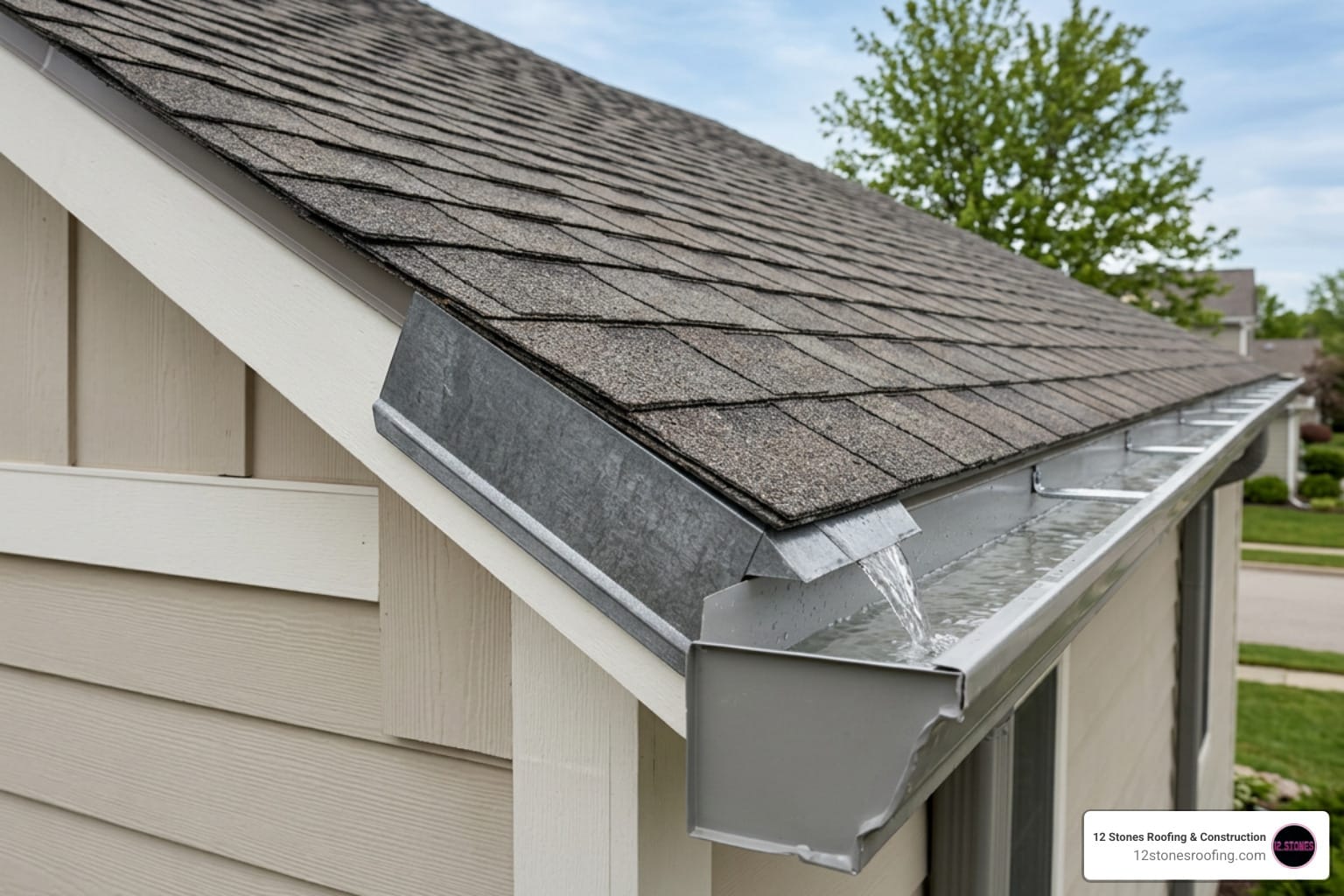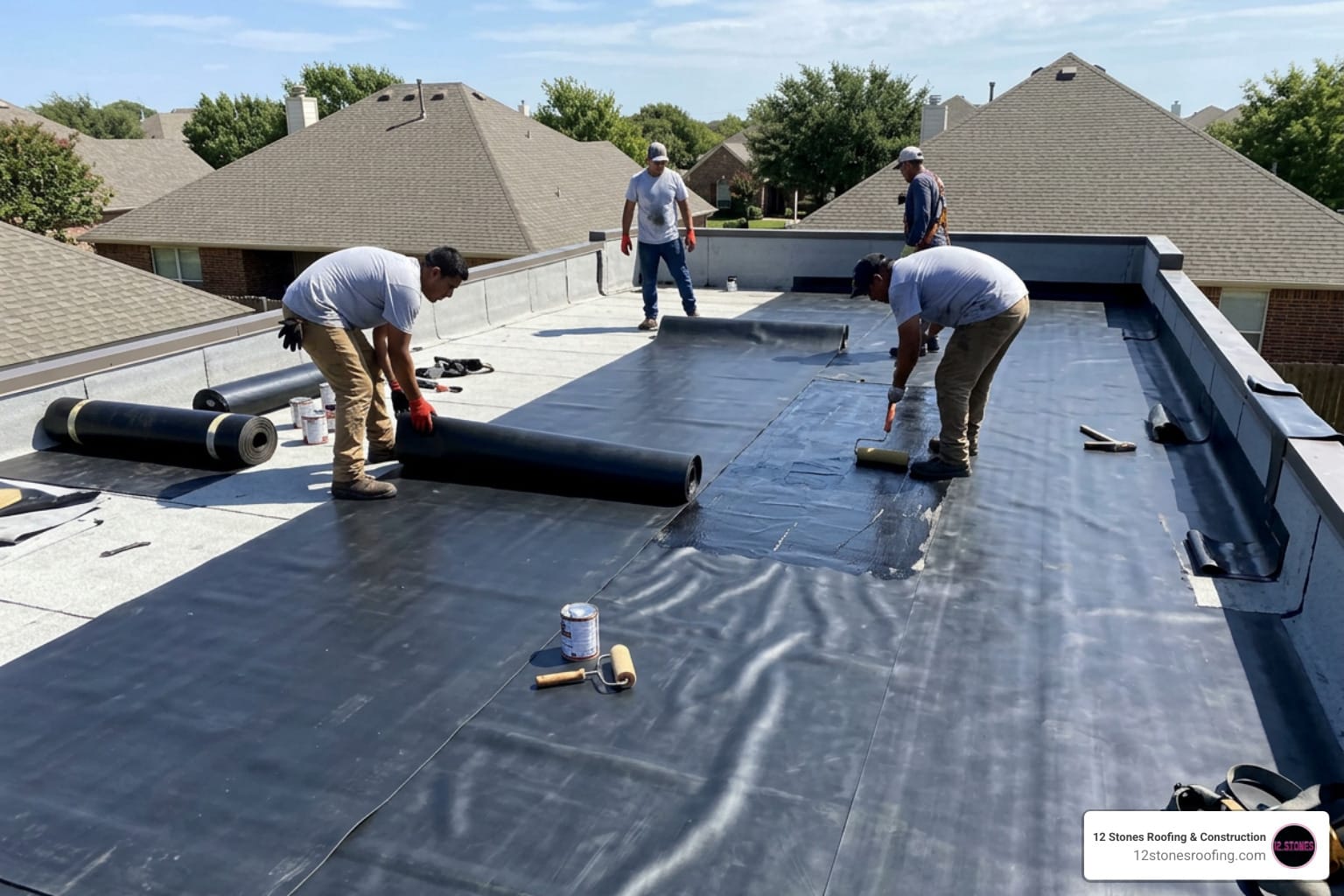

Why Understanding Roof Installation Cost Matters for Pasadena Homeowners
A professional roof installation is a major home investment. Nationally, the roof installation cost ranges from $5,755 to $12,498, but your final price is shaped by several key factors. Understanding these variables is crucial for budgeting accurately, especially for homeowners in Pasadena, TX, who face unique challenges like hurricane-force winds and hail.
The final price tag is influenced by:
- Material Choice: Asphalt, metal, and tile have vastly different price points.
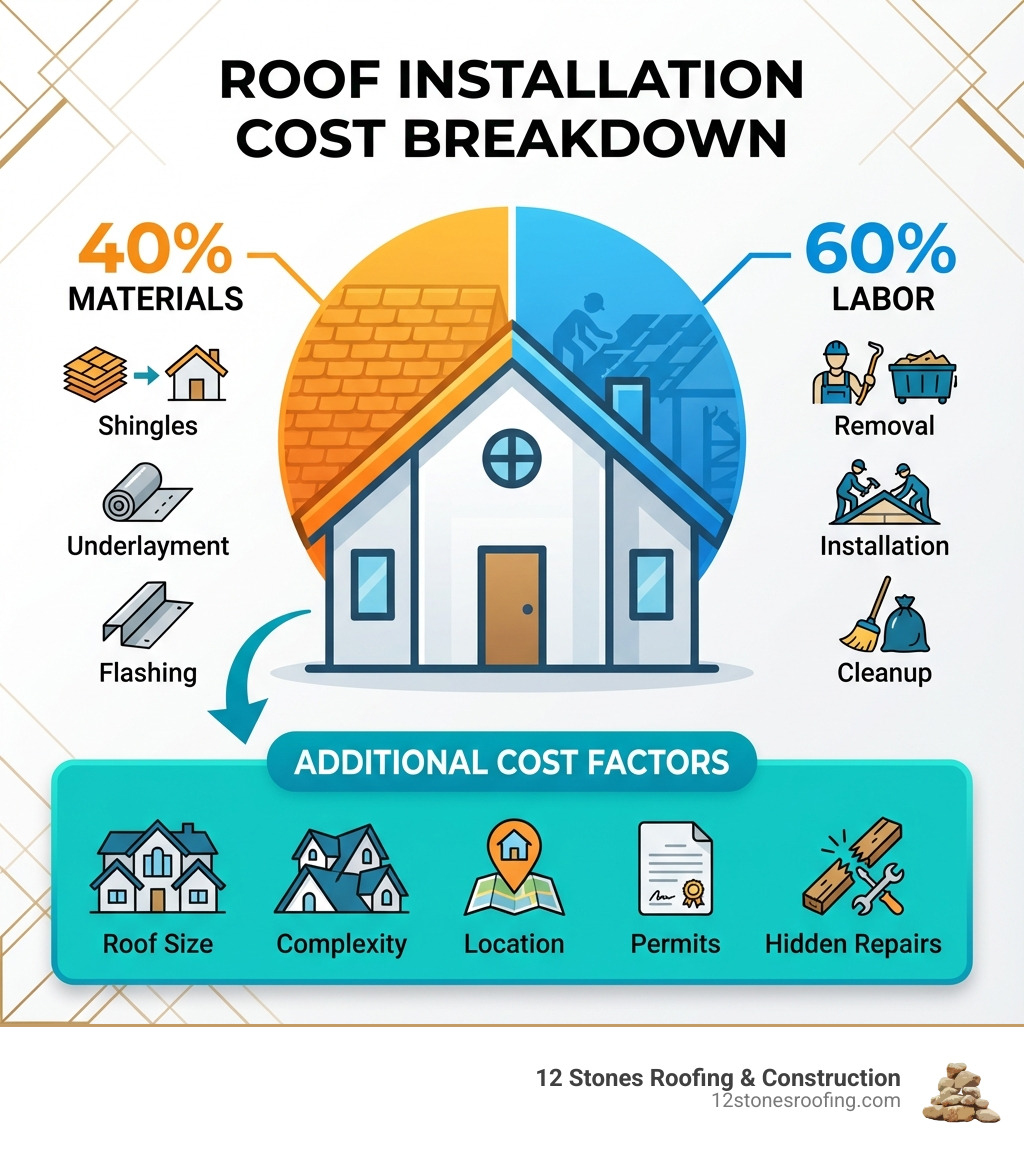
- Labor Costs: Typically accounts for 60% of the total project.
- Roof Size & Complexity: Steeper pitches and architectural features increase costs.
- Hidden Repairs: Damaged decking or flashing can add unexpected expenses.
- Location: Local labor rates, building codes, and permit fees affect the price.
- Timing: Off-season projects may offer savings.
- Project Scope: A full replacement costs more than a simple repair.
I’m Jason Roberts, owner of 12 Stones Roofing & Construction. For over a decade, I’ve guided Pasadena homeowners through the complexities of roofing estimates. This guide will break down the seven most critical cost factors to help you plan your project with confidence and avoid budget surprises.
1. Roofing Material: The Foundation of Your Budget
The material you choose is the largest variable affecting your roof installation cost. It influences upfront price, curb appeal, energy efficiency, and long-term maintenance. While asphalt shingles are the most common choice in the U.S., materials with superior durability are often a wise investment for homes in Pasadena, TX. For our climate, materials with high impact resistance for hail and algae resistance for humidity can extend a roof’s life and may even lower insurance premiums.
How Material Choice Impacts Your Overall Roof Installation Cost
Below is a breakdown of popular roofing materials. Costs are averages and can vary by specific product lines.
| Roofing Material | Average Cost per Square Foot | Lifespan (Years) | Key Pros/Cons (Relevant for Pasadena, TX) |
|---|---|---|---|
| Asphalt Shingles | $4.50 – $6.00 | 15-30 | Pros: Most affordable, wide variety of styles and colors. Class 4 impact-resistant options available for hail-prone areas. Algae-resistant options for humidity. Cons: Shorter lifespan than other materials, less durable in extreme weather without upgrades. |
| Metal Roofing | $6.00 – $24.00 | 50-75 | Pros: Exceptional durability against high winds, hail, and fire. Energy-efficient (reflects heat). Low maintenance. Can be made from recycled content. Cons: Higher upfront roof installation cost. |
| Tile & Slate | $9.00 – $32.00 | 50-200+ | Pros: Extremely long lifespan, excellent aesthetics, fire-resistant, good insulation properties. Tile is popular in Texas for keeping homes cool. Slate is very durable. Cons: Very high upfront cost, heavy (may require structural reinforcement), can be brittle (tiles). |
-
Asphalt Shingles: A top choice for their balance of affordability and versatility. While standard 3-tab shingles are budget-friendly, architectural shingles offer better wind resistance. For Pasadena, we recommend premium architectural shingles with Class 4 impact resistance and algae-resistant granules for superior protection. These features slightly increase the initial roof installation cost but provide greater longevity. Find More info about asphalt shingle roofing on our site.
-
Metal Roofing: An excellent long-term investment for storm-prone areas like Pasadena. Metal roofs resist leaks, wind uplift, and extreme weather, and can last 50-75 years. They are also energy-efficient, reflecting sunlight to reduce cooling costs during hot Texas summers. Explore our metal roofing options to learn more.
-
Tile & Slate: For premium aesthetics and best longevity, tile and slate are exceptional. Clay tiles are popular in Texas for their beauty and cooling properties. Slate can last over a century but is a significant investment. Both are heavy and may require structural reinforcement, adding to the overall roof installation cost. Explore our tile roofing services for more details.
2. Labor: The 60% Cost Factor You Can’t Ignore
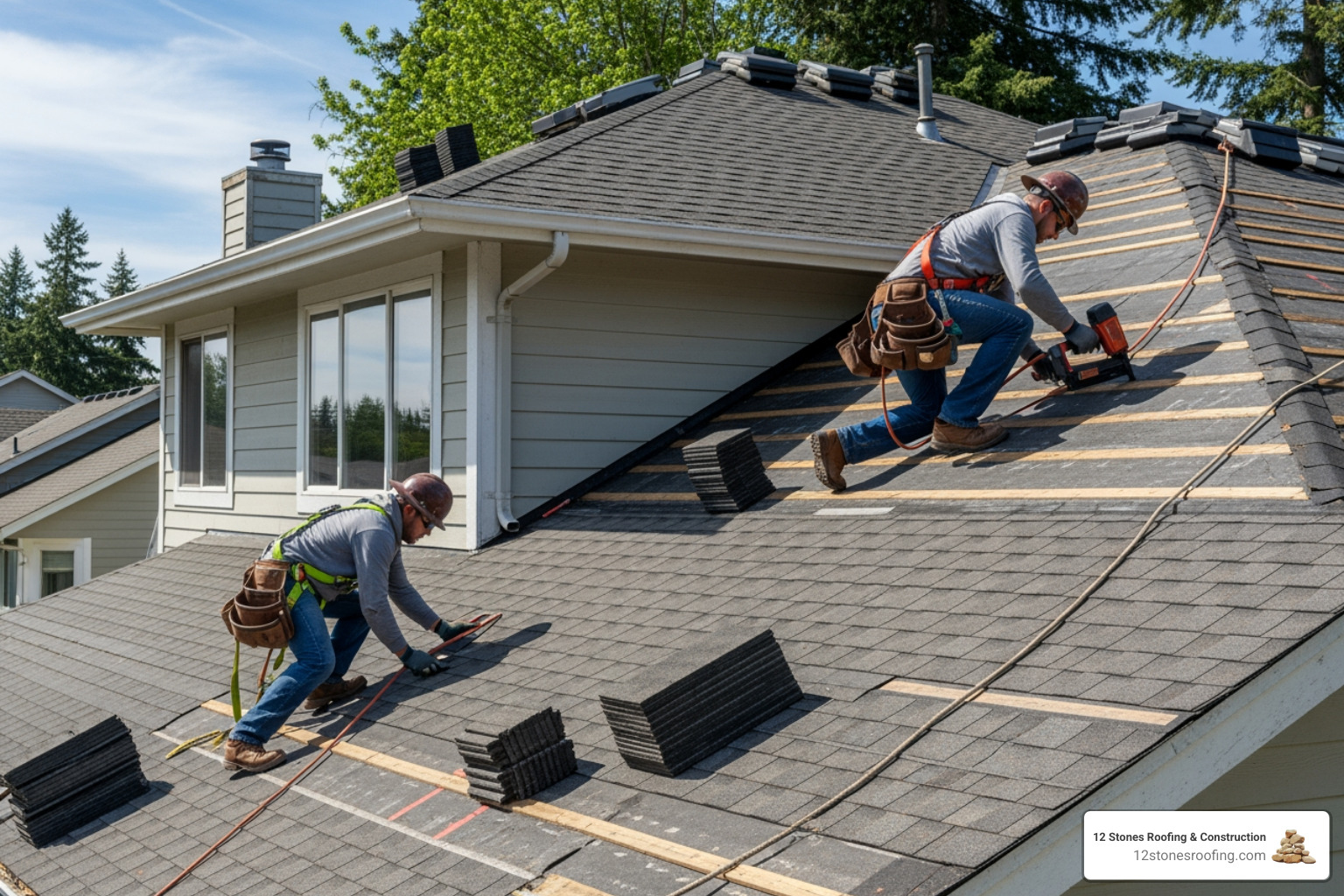
Labor is the single largest portion of your roof installation cost, typically accounting for 60% of the total. This cost covers more than just nailing shingles; it includes the skilled team’s expertise, insurance, safety equipment, and the time needed for a high-quality installation. A well-trained crew ensures proper techniques, adheres to safety standards, and works efficiently. As noted by the U.S. Bureau of Labor Statistics, roofer wages vary by region, directly impacting project costs in areas with a high cost of living like Pasadena.
Several factors drive the labor component of your roof installation cost:
- Roof Complexity: A simple roof is less labor-intensive than one with multiple valleys, dormers, skylights, or a steep pitch, which all require more time for precise cutting and sealing.
- Accessibility: Difficult roof access due to landscaping, height, or the need for special equipment can increase labor hours and cost.
- Contractor Experience: Reputable contractors with a proven track record, like 12 Stones Roofing & Construction, may have higher labor rates reflecting superior craftsmanship, warranties, and safety. This upfront investment ensures a longer-lasting, problem-free roof.
- Crew Size and Efficiency: A well-coordinated crew works efficiently, but total labor hours are the key cost driver.
Cutting corners on labor is a costly mistake that can lead to leaks, premature roof failure, and voided warranties. We prioritize quality installation to ensure your roof withstands Pasadena’s weather.
3. Roof Size and Complexity: More Than Just Square Feet
While roof size is a primary cost driver, its complexity is equally important in determining your roof installation cost. Roofers measure size in “squares” (a 100-square-foot area) to standardize calculations. However, a simple 1,500-square-foot gable roof will cost far less than a complex roof of the same size with multiple levels, a steep pitch, and numerous features. These architectural elements require more labor, specialized materials like flashing, and time. For example, a complex 1,500 sq. ft. roof can cost thousands more than a simple one.
Key complexity factors include:
- Steep Pitch: A steep roof slope increases the surface area and makes the work more hazardous, requiring extra safety equipment and slower labor. This can add $1,000 to $3,000 to the total cost, with per-square-foot prices rising dramatically from a flat roof to a very steep one.
- Dormers, Valleys, and Skylights: Every feature that interrupts the roof plane—like a dormer, valley, or chimney—demands meticulous cutting, custom flashing, and precise sealing. This adds significant labor and material costs.
- Multi-Story Homes: Working at greater heights increases labor time due to safety protocols and the challenges of moving materials.
An accurate roof installation cost estimate depends on understanding these unique design characteristics, as they determine not just the amount of material but the difficulty of the installation.
4. Hidden Layers: What Lies Beneath Your Shingles
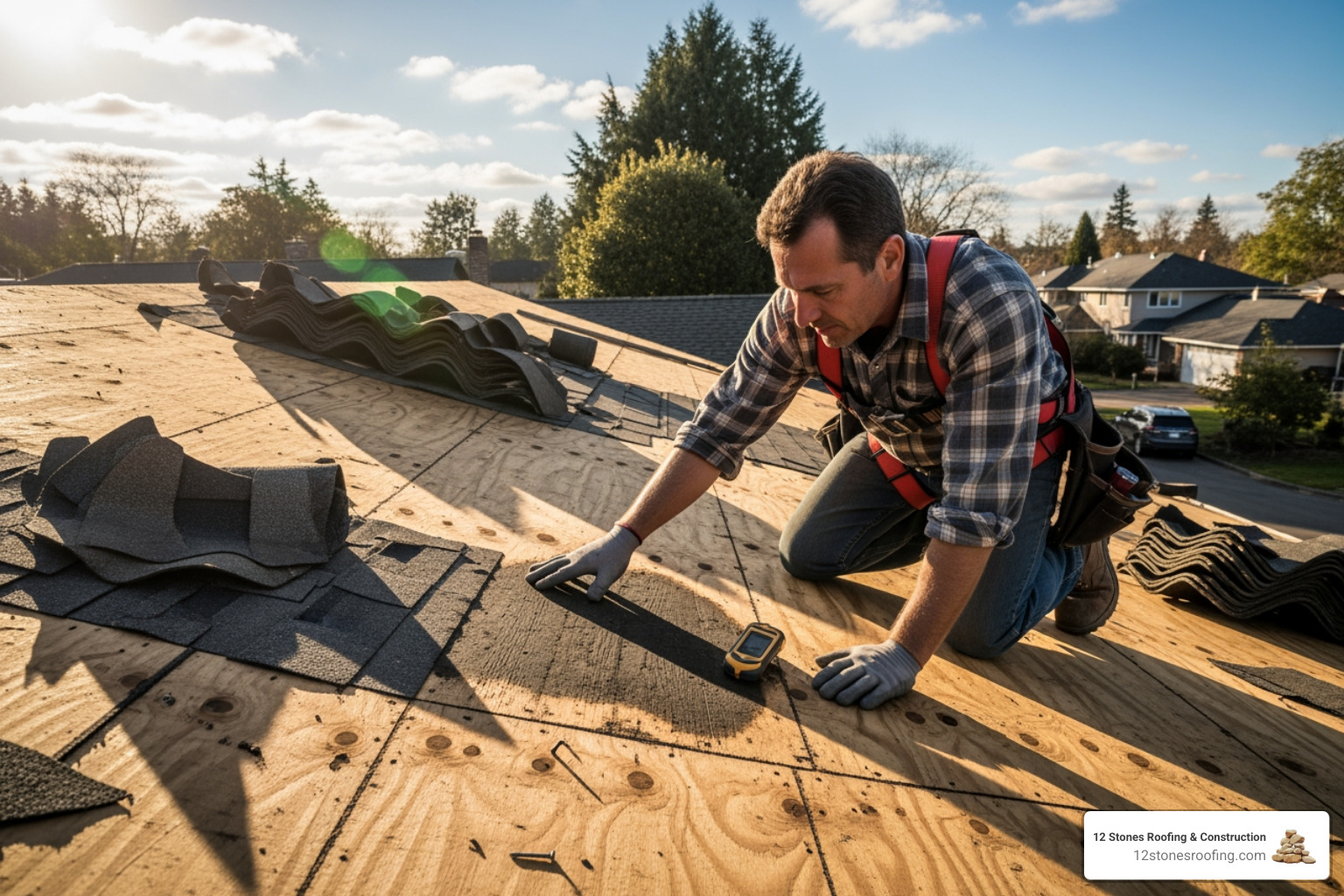
The visible shingles are only part of the story; what lies beneath is critical to your roof’s integrity and can significantly impact the final roof installation cost. A quality roof replacement addresses these hidden layers.
Tear-Off and Underlying Structure
A full replacement begins with a “tear-off”—the removal and disposal of old materials. This costs $0.40 to $2.00 per square foot (and up to $5 for heavy materials like slate) and is essential for inspecting the roof’s foundation. While roofing over existing shingles might seem cheaper, it’s not recommended as it prevents inspection, adds weight, and can void warranties.
Once the old roof is removed, we inspect the roof deck (the plywood or OSB base). Any rotted or damaged decking must be replaced to ensure a stable foundation. Decking replacement typically costs $2.20 to $3.00 per square foot and can add $1,000 to $4,000 to a project if significant repairs are needed.
Underlayment and Flashing
Before new shingles are installed, a new underlayment—a water-resistant barrier—is applied, costing around $1.50 to $2.10 per square foot. We also replace all flashing, the metal pieces that direct water away from vulnerable areas like chimneys, vents, and valleys. Proper flashing is critical to prevent leaks. These components are standard in any quality roof replacement and are foundational to your roof’s performance and lifespan. Budgeting for these potential costs is key to avoiding surprises.
5. Location: How Your Zip Code Affects the Price
Your home’s location significantly influences your roof installation cost due to a complex interplay of local factors. As experts in the area, we understand how these nuances shape roofing expenses in Pasadena, TX.
- Local Labor Rates: In metropolitan areas like Pasadena and greater Houston, a higher cost of living and demand for skilled labor lead to higher labor rates compared to rural regions.
- Building Codes and Permits: Pasadena’s building codes often mandate specific materials and installation methods for wind and hail resistance, such as Class 4 impact-resistant shingles. These requirements, while ensuring safety, can affect material choice and cost. Permits typically cost between $150 and $500.
- Material Availability: Shipping costs for specialized materials not available locally can be passed on to the homeowner.
- Climate Considerations: Pasadena’s warm, humid climate and risk of storms make durable materials like metal or impact-resistant shingles a wise, albeit more expensive, initial investment. Algae resistance is also a key consideration.
- Disposal Fees: Fees for debris disposal at local landfills vary by location and can be higher in urban areas.
For an accurate estimate, consult a trusted roofing company in Pasadena, TX. We understand local regulations and climate challenges, ensuring your estimate is precise.
6. Timing and Savings: When to Schedule Your Project
The time of year you schedule your roof replacement can affect your roof installation cost and contractor availability.
- Peak Season (Spring/Summer): This is the busiest time for roofers due to favorable weather. High demand means contractors are booked well in advance, and prices may be at a premium.
- Off-Season (Late Fall/Winter): Scheduling during the slower season can lead to cost savings. With fewer projects, contractors may offer more competitive pricing to keep crews busy. Experienced roofers can work safely in most winter conditions, though extreme weather can cause delays.
Smart Strategies for Potential Savings:
- Off-Season Discounts: If your project isn’t an emergency, ask about off-season rates to potentially lower your roof installation cost.
- Insurance Claims: After a storm in Pasadena, TX, your homeowner’s insurance may cover the replacement. We specialize in navigating the roofing insurance claim process to help you secure coverage.
- Get Multiple Quotes: Obtain detailed quotes from at least three reputable contractors to compare scope, materials, and warranties. Beware of unusually low bids, which may signal shortcuts.
- Consider Material Lifespan: A durable material like metal (40-70 year lifespan) may have a higher upfront cost than standard asphalt (15-30 year lifespan) but offers better long-term value.
Strategic timing and exploring all cost-reduction avenues can make your roof replacement a more manageable investment.
7. The Big Decision: Repair or Full Replacement?
Deciding between a repair and a full replacement is a crucial choice that directly impacts your immediate and long-term roof installation cost. While a repair is cheaper upfront, it can be a temporary fix for a larger problem.
Signs You May Only Need a Repair
A repair is often sufficient if damage is localized and the roof is relatively new. The average repair costs around $1,064. Consider a repair if you see:
- Localized Damage: A small, contained area of missing or broken shingles.
- A Few Damaged Shingles: Only a handful of shingles are curling or cracked while the rest are in good shape.
- A Single, Small Leak: A leak traceable to a specific source, like a vent pipe.
- Your Roof is Young: An asphalt roof under 15 years old is often a good candidate for repair. Find more on roof repair solutions.
Signs You Need a Full Replacement
A full replacement is a better investment when damage is widespread or the roof is old. Look for these signs:
- Widespread Wear: Large sections of shingles are cracked, curling, blistering, or missing granules.
- Old Age: Your asphalt roof is over 20 years old.
- Multiple or Recurring Leaks: Leaks in several areas or a previously repaired leak that returns signal systemic failure.
- Visible Sagging: A sagging roof deck is a serious structural issue requiring immediate attention.
- Extensive Moss or Algae: Widespread growth can trap moisture and damage the roof structure.
- Neighbors Replacing Roofs: If neighboring homes built at the same time are getting new roofs, yours is likely nearing its end of life.
The best way to know for sure is with a professional roof inspection. An expert can assess the entire system and provide an unbiased recommendation, which is highly advised for roofs over 10 years old in Pasadena.
Frequently Asked Questions about Roof Installation Cost
How much does a new roof increase home value?
A new roof offers a solid return on investment (ROI) and is a major selling point. The 2024 Cost Vs. Value report states that a new asphalt shingle roof recoups nearly 60% of its cost at resale, while a metal roof provides a 48% ROI. A new roof also improves curb appeal, prevents future damage, and signals to buyers that a home is well-maintained.
How long does a typical roof installation take?
For an average-sized home (1,700-2,000 sq. ft.), a full replacement typically takes one to three days. This timeline can be extended by factors like adverse weather, roof complexity (steep pitches, dormers), and crew size. Pre-installation phases like inspections and material delivery can also affect the overall project duration.
What should I look for when choosing a roofing contractor?
Selecting the right contractor is crucial for a quality installation. Look for these key qualifications:
- Licensing and Insurance: Verify the contractor holds current licensing and full insurance (liability and worker’s compensation) to protect you from liability.
- Local Reputation and Experience: Choose a contractor with a strong local track record in Pasadena, TX. Ask for references and review past projects. Decades of experience indicate a deep understanding of local codes and climate.
- Detailed, Itemized Quotes: A reputable contractor provides a comprehensive quote detailing the scope of work, specific materials, labor costs, and all fees.
- Warranties: Ask about both manufacturer material warranties and the contractor’s workmanship warranty. A strong workmanship warranty (10+ years) shows confidence in their work.
- Communication: A good contractor communicates clearly and keeps you informed throughout the project.
- Safety Standards: Ensure the company follows strict safety protocols.
The lowest bid is not always the best value. It can indicate subpar materials, uninsured labor, or cut corners that lead to future problems.
Get a Clear and Accurate Roof Installation Estimate
Estimating your roof installation cost involves many variables, from materials and labor to the hidden condition of your roof’s structure. By understanding these seven key factors, you can approach your project with confidence, ask the right questions, and make informed decisions that protect your home and your investment.
At 12 Stones Roofing & Construction, we believe in transparent pricing and quality craftsmanship. We’re committed to providing Pasadena homeowners with precise, detailed estimates that clearly explain every aspect of your roof installation cost, ensuring there are no surprises. Ready to get a professional, no-obligation estimate for your project? Contact us for a professional roof installation today or call us at 713-715-7663.