
Metal Roof Sealant Spray: The Fastest Way to Stop Leaks and Add 10–20 Years of Roof Life
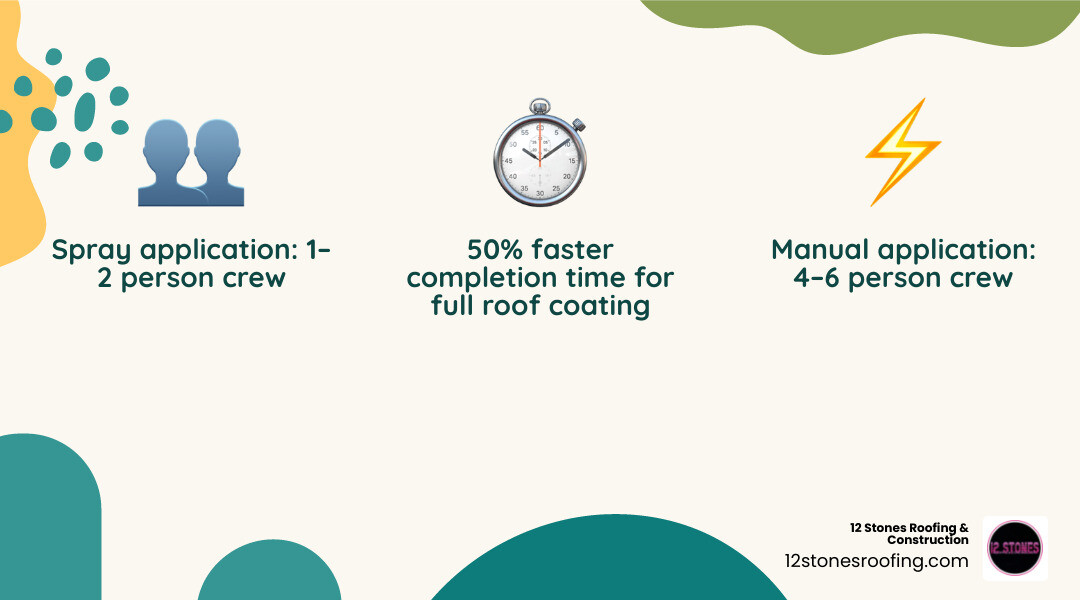
Metal roof sealant spray is one of the most cost-effective ways to stop leaks, restore weather protection, and extend the service life of an aging metal roof without a full tear-off. As a trusted metal roofing contractor serving the Gulf Coast, we regularly see spray-applied restoration systems add 10–20 years of performance at a fraction of replacement cost. In many projects, a 1–2 person crew can complete coating work up to 50% faster than a traditional 4–6 person manual application team. For owners in Pasadena dealing with heat, humidity, UV exposure, and wind-driven rain, that speed translates into lower labor costs, less disruption, and faster leak protection. This guide explains which spray systems work best, how they are applied, and where they deliver the highest return.
| What You Want to Do | Best Spray Sealant Type | Key Benefit |
|---|---|---|
| Stop leaks fast | SEBS Liquid Rubber | 1-pass system, built-in primer |
| Flat or low-slope roof | Silicone (e.g., GAF High Solids) | Withstands ponding water |
| Budget-friendly protection | Acrylic elastomeric | UV-reflective, multi-surface |
| Rusty or damaged metal | SEBS or rubberized acrylic | Corrosion inhibitor included |
| Large commercial project | Pro Metal Series spray system | 1–2 person crew, 50% faster |
If your metal roof is leaking, aging, or taking a beating from the Texas sun, a spray-applied sealant system can add 10–20 years of life at a fraction of replacement cost. A small crew of 1–2 people can often coat an entire roof in half the time it takes a traditional 4–6 person team using manual methods. That means less disruption, lower labor costs, and a seamless, flexible membrane that moves with your roof through every heat cycle.
This guide walks you through everything — from picking the right product to applying it correctly the first time.
I’m Jason Roberts, owner of 12 Stones Roofing & Construction and a Service-Disabled Veteran with over a decade of hands-on experience in commercial and residential metal roofing across the Gulf Coast, including applying and specifying metal roof sealant spray systems for Pasadena’s punishing heat, humidity, and storm conditions. Whether you’re a property owner weighing your options or a contractor looking to sharpen your process, this guide gives you the straight facts.
Glossary for metal roof sealant spray:
Why Spray-Applied Metal Roof Sealants Deliver Better Restoration Results
In roofing, efficiency is not cutting corners; it is reducing waste while improving performance. Metal roof sealant spray allows a small crew of 1 or 2 technicians to complete work in roughly half the time required by a traditional 4 to 6 person brush-and-roll crew. Because labor is typically the largest variable in restoration pricing, that productivity can materially reduce total project cost.
The bigger advantage is system performance. A properly applied spray coating creates a monolithic membrane—a continuous waterproof layer with no lap edges across the field of the roof. That matters because seams, exposed fasteners, penetrations, and panel overlaps are where most metal roof leaks begin. Spray application also reaches corrugated ribs, fastener heads, and irregular surfaces more uniformly than manual methods. This is why spray restoration is a core part of an effective metal roof maintenance strategy: it addresses both active leaks and long-term weathering in a single system.

Top Brands for Metal Roof Sealant Spray
When evaluating materials, a few manufacturers consistently stand out for adhesion, weatherability, and long-term performance in hot, humid, coastal environments like Pasadena and La Porte.
- GAF High Solids Silicone: A leading choice for roofs exposed to ponding water. GAF silicone systems are commonly specified with 10, 15, and 20-year warranty options based on applied thickness. You can view the GAF Multi-Purpose Primer data sheet to review substrate prep requirements and adhesion guidance.
- Henry Tropi-Cool: A widely recognized 100% silicone coating with strong UV reflectivity and a 4.6/5 rating from nearly 1,700 reviews, making it popular with both contractors and advanced DIY users.
- Inland Pro Metal Series: Built for contractor-grade efficiency. Products such as RC 2000 SEBS function as single-pass systems with built-in primer and corrosion inhibitors, which can reduce steps and labor.
- Lanco Ultra Siliconizer: An acrylic-silicone hybrid known for flexibility, weather resistance, and a 4.6/5 user rating.
Performance Features of Spray-Applied Systems
A high-quality metal roof sealant spray is defined by measurable performance characteristics, not marketing language.
- Elongation: Premium roof coatings often provide 50% to 500% elongation. High elongation allows the cured membrane to move with thermal expansion and contraction without splitting.
- UV Resistance: White reflective coatings can reflect up to 85% of solar energy, reducing roof-surface temperatures and improving cooling efficiency.
- Corrosion Inhibition: In coastal Texas, salt-laden air accelerates oxidation. Quality coatings include corrosion-resistant chemistry to slow rust development and protect exposed metal.
- Compatibility: Adhesion to factory-finished panels matters. Products like Titebond WeatherMaster are formulated to bond to difficult surfaces such as Kynar-coated metal, which many standard coatings struggle to grip.
Choosing the Right Coating: Silicone, Acrylic, and SEBS
Not all sprays are created equal. Choosing the wrong chemistry for your specific roof slope or condition can lead to premature failure and wasted money. Understanding the metal roof repair costs involved starts with picking the right material.
| Feature | Silicone | Acrylic | SEBS (Liquid Rubber) |
|---|---|---|---|
| Ponding Water | Excellent | Poor | Good |
| UV Resistance | Best | Excellent | Great |
| Cost | Higher | Lower | Mid-Range |
| Application | 1-2 Coats | 2-3 Coats | 1-2 Coats |
| Best For | Low-slope/Flat | Steep-slope | Industrial/Extreme Weather |
- Silicone: This is the “gold standard” for roofs with drainage issues. If your roof has areas where water sits after a rain, silicone is the only choice. It doesn’t break down under standing water. It’s also highly reflective and keeps its flexibility for decades.
- Acrylic: If you have a steep-slope roof where water runs off quickly, acrylic is a budget-friendly powerhouse. It provides excellent UV protection and is easy to apply, though it usually requires multiple passes to reach the necessary thickness.
- SEBS (Liquid Rubber): This is the “tough guy” of the group. SEBS-based coatings, like the Pro Metal Series, are incredibly durable. They have built-in primers and are excellent for industrial environments where the roof might be exposed to chemicals or extreme temperature swings. They are often “single-pass” systems, meaning you save a ton on labor.
Step-by-Step: How to Apply Metal Roof Sealant Spray Like a Pro
The secret to a roof that doesn’t leak isn’t just the spray—it’s the prep. If you spray over dirt, the sealant will eventually peel off like a bad sunburn.
1. Surface Preparation
First, we must “qualify” the roof. This means checking for loose panels, missing fasteners, or structural damage. Any major holes need to be addressed before the coating starts.
- Clean: Power wash the entire surface using a cleaning concentrate to remove oxidation, grease, and bird droppings.
- Adhesion Test: We always perform a small “patch test” to ensure the new sealant sticks to the old surface.
- Rust Treatment: Knock off heavy rust scale with a wire brush. While some SEBS sprays can go over light rust, heavy corrosion needs a dedicated rust-inhibitive primer.
2. The Proper Application Process
Once the roof is clean and dry, the “three-course” method is used for critical areas like seams and penetrations. This involves a layer of sealant, a layer of reinforcing fabric, and another layer of sealant.
- Fastener Encapsulation: We use a mastic-grade version of the sealant to “donut” every single screw head. This is where 90% of leaks start, so we don’t skip this.
- Seams and Curbs: Any gap larger than 1/8 inch gets the three-course treatment.
- The Field Coat: Finally, we use an airless sprayer to apply the field coat. For GAF High Solids Silicone, we aim for a specific “wet mil” thickness to ensure the final dry layer meets warranty standards. A typical rate is about 2 gallons per 100 square feet for a heavy-duty protective layer.
Essential Tools and DIY-Friendly Equipment
For a professional finish, you need professional gear.
- Airless Sprayer: This isn’t your standard paint sprayer. You need a high-pressure rig capable of pumping thick, high-solids materials.
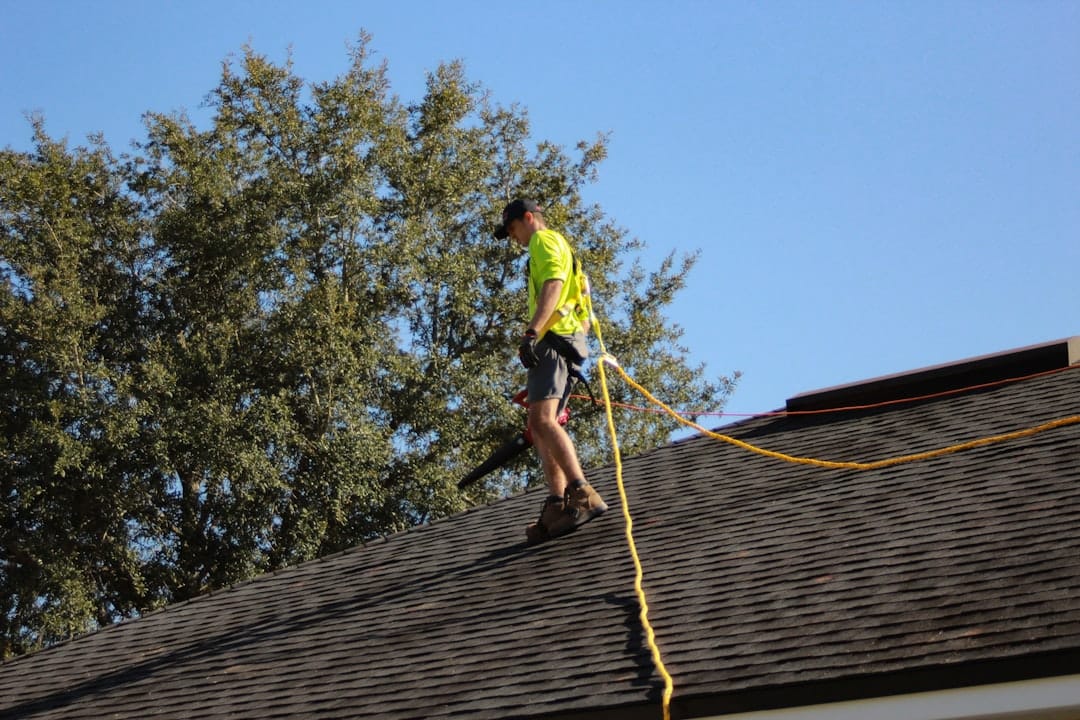
- Safety Gear: Never step on a roof without a safety harness and non-slip footwear. Metal roofs are incredibly slippery when wet or covered in fresh coating.
- Detailing Tools: For smaller areas or DIY repairs, 9.5 oz cartridges or 20 oz “sausage packs” of products like Titebond WeatherMaster are perfect for sealing vents and small gaps without hauling a whole pump onto the roof.
Calculating Coverage and Project ROI
One of the biggest mistakes people make when buying metal roof sealant spray is forgetting about the “hills and valleys” of the metal. If you just measure the flat footprint of your building, you will run out of material halfway through the job.
- Corrugation Factor: Because of the ribs and waves in metal panels, the actual surface area is 10% to 15% larger than the flat square footage. Always add this “corrugation allowance” to your order.
- Coverage Rates:
- Silicone: Usually 1 to 2 gallons per 100 square feet (one “square”).
- Mastic/Seam Sealer: About 75 linear feet per gallon when used with fabric.
- Long-Term ROI: A full metal roof replacement can be incredibly expensive and disruptive to your business or home life. A spray restoration costs a fraction of a new roof, can be tax-deducted as a maintenance expense in many cases, and extends your roof’s life by up to 20 years.
Common Mistakes to Avoid When Spraying Metal Roofs
We’ve seen it all in Pasadena. From “alligatoring” (where the coating cracks like lizard skin) to total delamination, most failures are preventable.
- Moisture Entrapment: Never spray a roof that is even slightly damp. Silicone, in particular, will trap that moisture against the metal, leading to “pinholing” and hidden rust.
- Ignoring the Weather: High winds will carry your expensive spray onto your neighbor’s car. Also, if surface temperatures are over 120°F, the sealant can dry too fast on the surface, trapping gases underneath and causing bubbles.
- Skipping the Fasteners: You cannot just spray over a loose screw and expect it to stop leaking. Every fastener must be tightened or replaced, then encapsulated with a thick mastic before the final spray. For more on this, check out our guide to repairing leaking metal roofs.
Frequently Asked Questions about Metal Roof Sealants
Can I apply spray sealant over a rusty metal roof?
Yes, but with a caveat. You must remove “scale” (the flaky chunks of rust). Once you have a tight, solid surface, many SEBS-based sprays or specialized primers can be applied directly over the remaining rust. These products contain chemicals that chemically bond with the rust and stop it from spreading.
How long does a spray-applied metal roof coating last?
A high-quality silicone or SEBS system typically lasts 10 to 20 years. The best part? These systems are “renewable.” Before the warranty expires, you can simply clean the roof and apply a thin “top-off” coat to reset the clock for another decade or more.
Is spray application better than brush or roll-on?
For metal roofs, absolutely. Brushes and rollers struggle to get into the tight corners of the ribs and fasteners. Spraying ensures a uniform thickness across the entire profile of the metal. It’s faster, provides better coverage, and results in a much cleaner, professional look.
Conclusion: Protect Your Investment the Smart Way
Applying a metal roof sealant spray is the most effective way to extend the life of your roof while significantly reducing labor costs and application time. Whether you are dealing with minor leaks or looking to improve energy efficiency with a reflective “cool roof” coating, choosing the right material—be it silicone, acrylic, or SEBS—is critical for long-term success.
At 12 Stones Roofing & Construction, we understand the unique challenges of the Texas Gulf Coast. We don’t just “paint” roofs; we engineer seamless protection systems that stand up to the heat, humidity, and wind of Pasadena and La Porte. From our expert metal roofing services to our commitment to transparent, reliable service, we treat every roof as if it were over our own heads.
Ready to protect your investment and stop the drips for good? Contact our team today for a professional inspection and a clear, honest estimate. Let us show you why a spray-applied restoration is the smartest move you can make for your metal roof.