
Understanding TPO Roof Membrane Problems and Their Impact
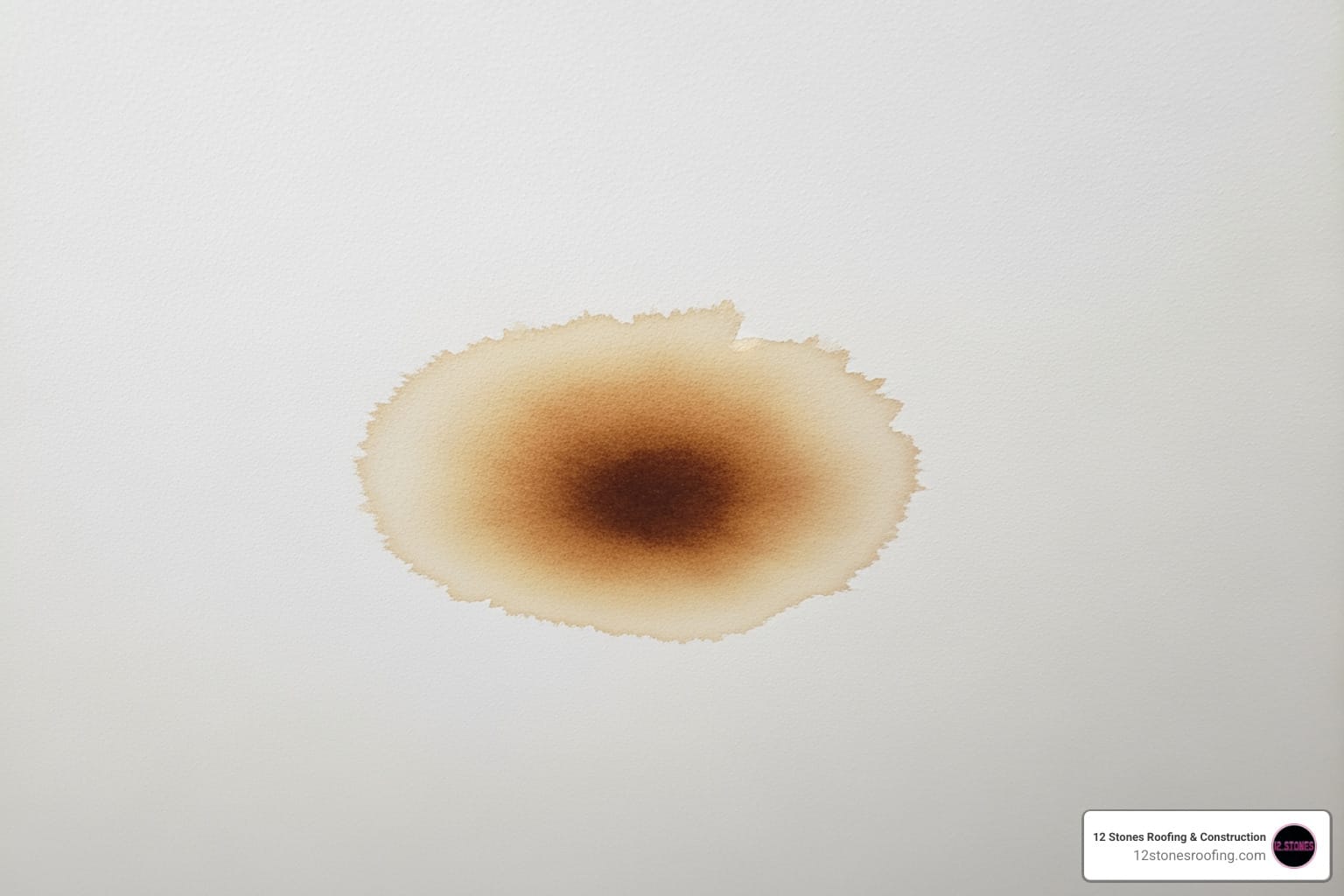
TPO roof membrane problems can range from minor surface issues to critical system failures that compromise your entire building. If you’re experiencing leaks, visible damage, or performance issues with your TPO roof, here’s what you need to know:
Most Common TPO Roof Membrane Problems:
- Seam failures – Improperly heat-welded joints that separate under stress
- Punctures and tears – Physical damage from foot traffic, debris, or equipment
- Ponding water – Standing water that remains for more than 48 hours
- UV and heat degradation – Brittleness, cracking, and loss of elasticity from sun exposure
- Membrane shrinkage – Material contraction creating gaps at edges and penetrations
- Poor installation – Inadequate deck preparation or incorrect welding temperatures
- Aging deterioration – Natural breakdown after 15-20 years of service
Thermoplastic Polyolefin (TPO) roofing has surged in popularity due to its energy efficiency and cost-effectiveness compared to alternatives like PVC. Property owners appreciate that TPO roofs can last anywhere from 15 to 30 years, with proper maintenance extending toward the upper end of that range. However, achieving that longevity requires understanding common failure points and addressing them promptly with a trusted TPO roofing specialist.
The reality is that many TPO roof membrane problems stem from installation errors, environmental stress, or deferred maintenance. A TPO system installed in the ideal temperature range of 40-80°F, with properly welded seams and adequate drainage, will significantly outperform one installed hastily or in poor conditions. Yet even well-installed systems face challenges from Texas’s extreme heat, UV radiation, and severe weather events.
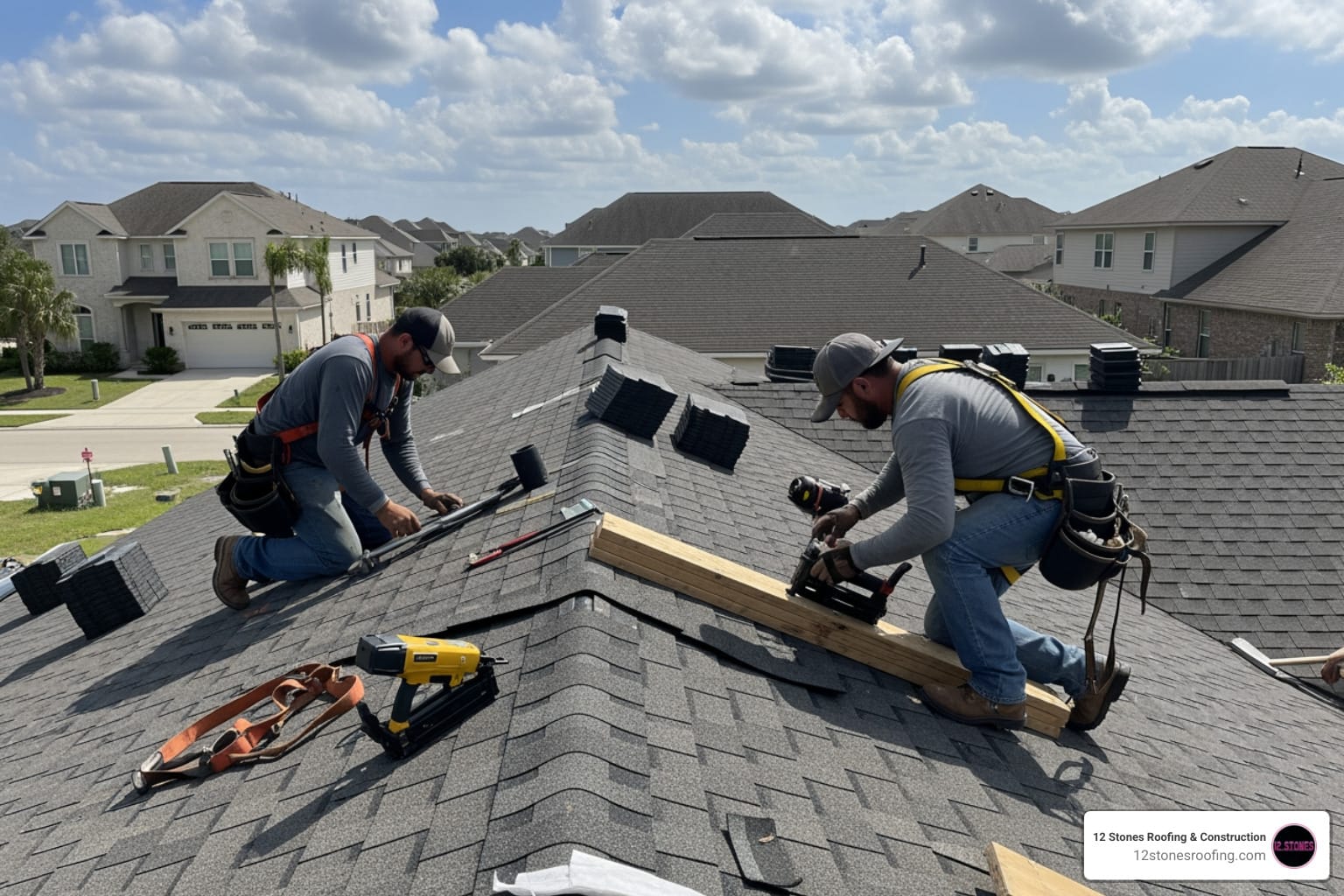
I’m Jason Roberts, owner of 12 Stones Roofing & Construction, and over the past decade I’ve inspected, repaired, and replaced hundreds of commercial TPO roofs throughout the Gulf Coast region. My hands-on experience with TPO roof membrane problems has taught me that early detection and professional assessment are critical to avoiding costly full replacements.
Identifying the Most Frequent TPO Roof Membrane Problems
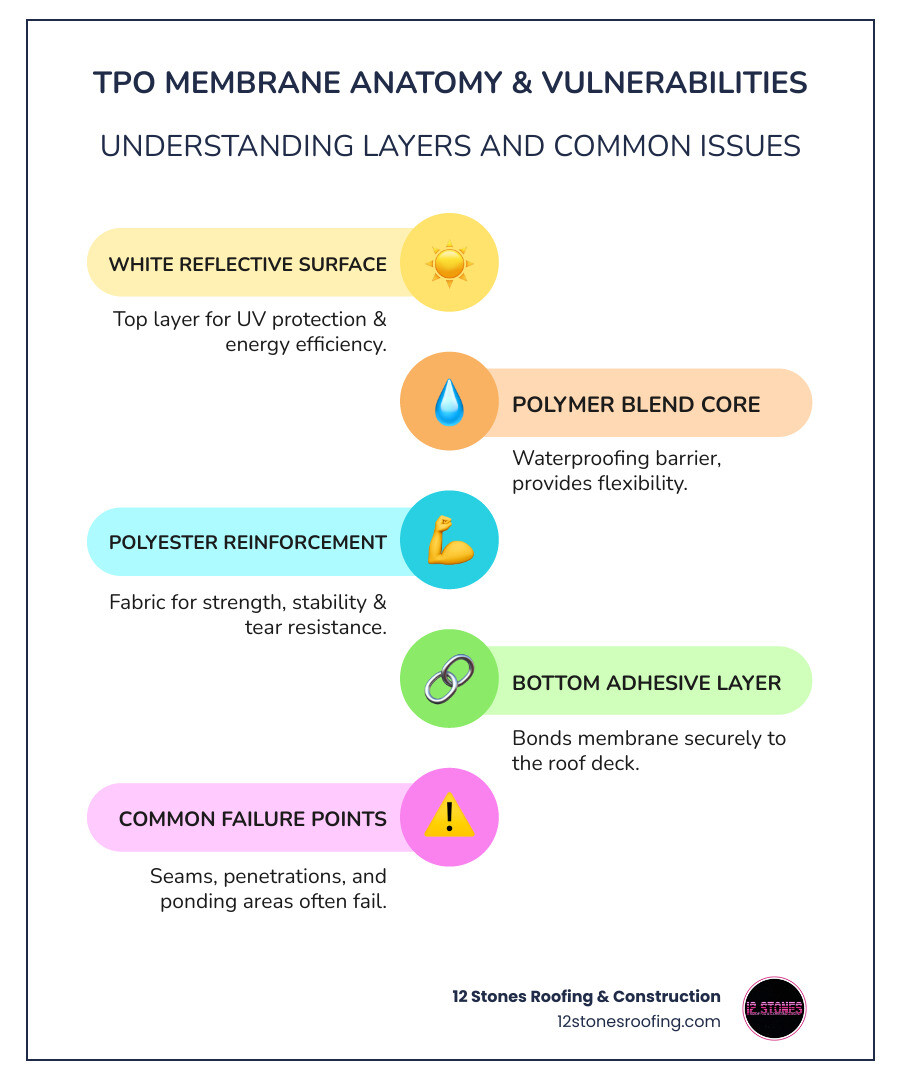
TPO roofing, while durable and energy-efficient, is not immune to issues. As a single-ply membrane, it’s particularly vulnerable to certain stresses. We’ve seen how these issues can lead to significant water damage and compromise a building’s integrity. Identifying these problems early is key to extending your roof’s lifespan and protecting your investment.
The most frequent TPO roof membrane problems we encounter include:
- Seam Failures: These occur when the bonds between TPO sheets weaken or separate, allowing water to penetrate.
- Punctures and Tears: Physical damage from debris, foot traffic, or maintenance equipment can easily compromise the membrane.
- Ponding Water: Water that collects on the roof and remains for more than 48 hours can accelerate membrane deterioration.
- UV and Heat Degradation: Prolonged exposure to the intense Texas sun can make the membrane brittle, cracked, and less flexible.
- Membrane Shrinkage: The TPO material can contract over time, creating tension and pulling away from edges or penetrations.
- Poor Installation Quality: Many problems stem from inadequate roof deck preparation, incorrect welding temperatures, or improper flashing details.
- Aging and Material Deterioration: Even with proper care, TPO membranes naturally degrade over time, losing their elasticity and strength.
- Leaks and Moisture Intrusion: These are often the most noticeable signs that one or more of the above problems are at play.
Understanding the nuances of these issues is crucial. As highlighted in a Troubleshooting a Failed TPO Roof article, pinpointing the root cause is essential for effective repair. For a comprehensive overview of TPO characteristics, our TPO Roofing Guide 2025 provides further insights into this popular roofing material.
Why Seam Failures and Leaks Occur in TPO Roofing Systems
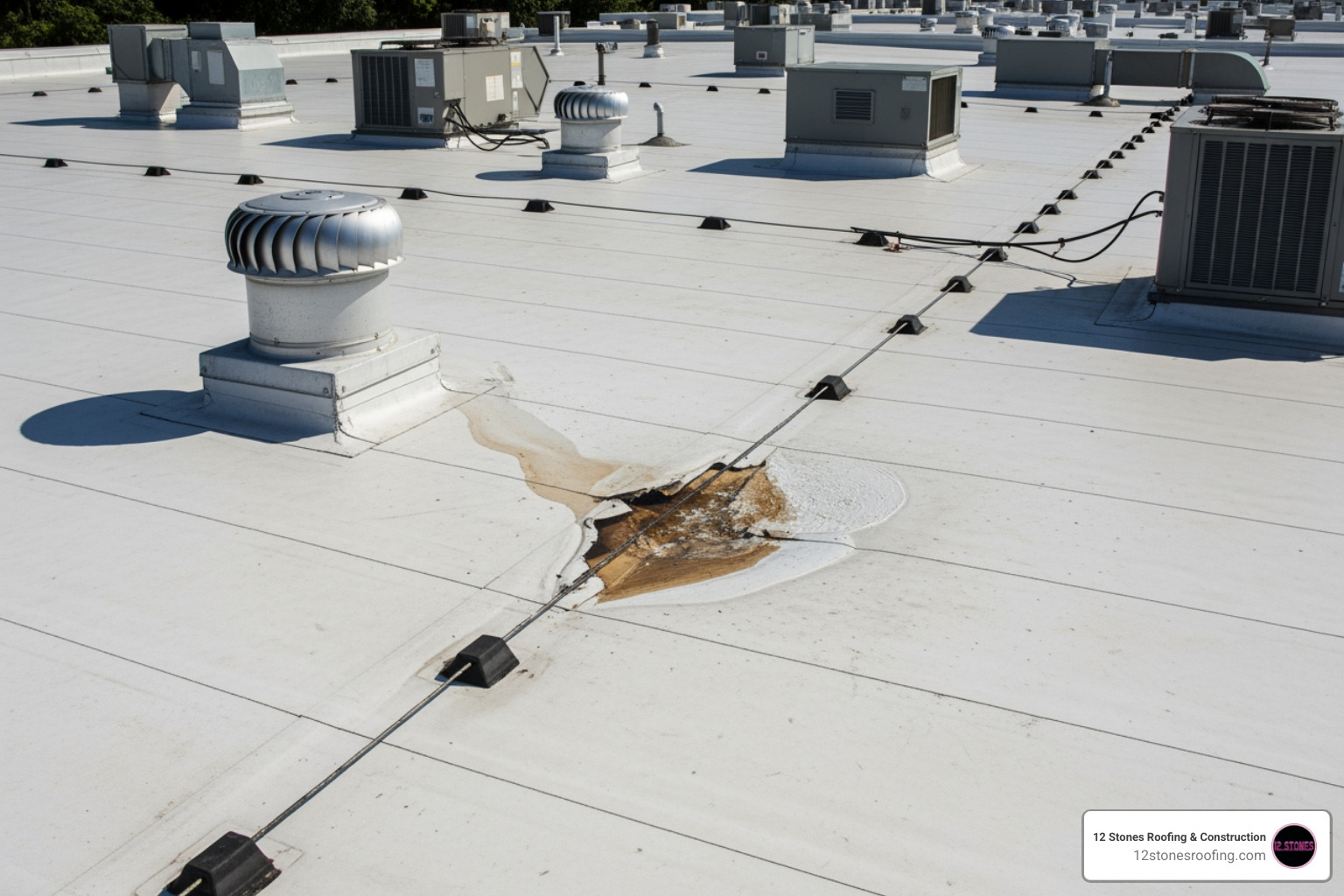
Seam failures are arguably one of the most critical TPO roof membrane problems, as they directly lead to leaks and moisture intrusion. TPO membranes are installed in large sheets that are then joined together, typically using a hot-air welding process. This creates a monolithic, watertight surface. However, if this process isn’t executed perfectly, the seams become weak points.
A properly executed hot-air weld creates a bond that is as strong, if not stronger, than the TPO membrane itself. This typically requires a minimum 1.5-inch wide weld. When we see seam failures, it’s often due to:
- Improper Welding Techniques: This includes inadequate temperature, incorrect speed of the welding machine, or insufficient pressure, all of which can lead to “cold welds” that lack proper fusion.
- Insufficient Overlap: If the TPO sheets aren’t overlapped enough, the weld area is compromised.
- Contamination: Dust, dirt, moisture, or oils on the membrane surface before welding can prevent proper adhesion.
- Adhesive Deterioration: While heat welding is primary, some applications use adhesives, which can degrade over time due to UV exposure or thermal cycling.
- Material Shrinkage: As the TPO membrane shrinks, it can put stress on the seams, causing them to pull apart.
The ideal temperature range for TPO installation generally falls between 40 and 80 degrees Fahrenheit. Installing outside this range can significantly impact the quality of the weld, making the seams more susceptible to failure. When you choose us for your TPO roofing needs, we ensure all manufacturer specifications are carefully followed to prevent these common pitfalls.
Common TPO roof membrane problems with heat welding
Heat welding is the cornerstone of a successful TPO roof installation, but it’s also where many TPO roof membrane problems originate. The consistency and quality of these welds are paramount.
- Inadequate Temperature: If the heat gun isn’t hot enough, the TPO layers won’t properly melt and fuse. Too hot, and the membrane can burn or become brittle.
- Improper Speed: Moving the welding tool too fast results in an incomplete weld, while moving too slow can overheat the material.
- Cold Welds: These are areas where the membrane appears joined but lacks true molecular fusion, making them highly prone to separation.
- Lack of Seam Probing: After welding, a roofer should use a seam probe to check for un-welded areas. Missing this step leaves vulnerabilities.
The Midwest Roofing Contractors Association (MRCA) issued advisories highlighting concerns with TPO performance, particularly related to seams coming apart and membrane failures when exposed to excessive heat and UV light for extended periods. This underscores the importance of experienced installers who understand the nuances of heat welding and the environmental factors at play. Re-welding techniques, when performed correctly, can often repair compromised seams, but prevention through quality installation is always best. For more on addressing leaks, our Leaky Flat Roof Repair Complete Guide offers valuable information.
Impact of moisture and contamination on seam integrity
Even with perfect welding technique, external factors can sabotage seam integrity. Moisture and contamination are silent culprits behind many TPO roof membrane problems.
- Dust and Debris: Accumulation of dust, dirt, or other debris on the membrane surface before welding acts as a barrier, preventing the TPO layers from fusing properly.
- Trapped Humidity: High humidity during installation can lead to moisture being trapped within the weld, creating a weak point that will fail over time.
- Improper Surface Preparation: Before any TPO is laid or welded, the roof deck must be clean, dry, and free of contaminants. Failure to do so means the membrane won’t adhere properly to the substrate, leading to bubbling or lifting that can stress seams.
- Chemical Contaminants: Oils, residues from previous roofing materials, or incompatible primers can react with the TPO, weakening its structure and adhesion.
When working on commercial TPO roofs in Pasadena, we emphasize meticulous surface preparation. This includes thorough cleaning and drying of the roof deck and membrane surfaces, and using manufacturer-approved TPO primers where necessary. Our commitment to detail ensures a robust, long-lasting roof system. If you’re in the area and need expert help, our Roofers Near Me Pasadena are ready to assist.
Environmental Impact: UV Damage and Thermal Degradation
The Texas climate, particularly the intense heat and relentless sun, poses significant challenges for TPO roofs. Environmental factors are major contributors to TPO roof membrane problems.
-
UV Radiation: Prolonged exposure to ultraviolet (UV) radiation from the sun is a primary cause of TPO degradation. Over time, UV rays break down the polymer chains in the membrane, leading to:
- Brittleness: The membrane loses its flexibility and becomes stiff.
- Cracking: Brittle TPO is highly susceptible to cracking, especially with temperature fluctuations or minor impacts.
- Chalking: A powdery residue forms on the surface as the top layer degrades.
- Loss of Elasticity: The membrane’s ability to expand and contract with temperature changes diminishes, leading to stress on seams and flashings.
-
Thermal Degradation: High ambient temperatures and solar loading (the absorption of solar energy by the roof surface) contribute to thermal degradation. TPO roof surfaces can reach temperatures exceeding 160°F in direct sunlight, even on moderately warm days. This extreme heat can accelerate the aging process, causing the membrane to dry out and shrink prematurely. A scientific report on TPO weathering has documented these issues, highlighting the accelerated weathering when subject to drastic thermal or solar exposure.
While TPO is designed to be UV-resistant and is known for its reflective properties (especially white TPO), the sheer intensity and duration of heat and UV in our region can still take a toll. Regular maintenance, including inspections and the application of UV-resistant coatings, can help mitigate these effects. Our Flat Roof Maintenance Services are designed to protect your TPO roof against these environmental stresses.
Structural Risks: Punctures, Tears, and Ponding Water
Beyond environmental wear and tear, physical damage and inadequate drainage are significant sources of TPO roof membrane problems. As a single-ply membrane, TPO is inherently more vulnerable to punctures and tears than multi-layered systems.
-
Punctures and Tears: These can occur from various sources:
- Foot Traffic: Maintenance workers, HVAC technicians, or other personnel walking on the roof without proper protection can cause punctures, especially if tools are dropped or sharp objects are present.
- Falling Debris: Storms can bring down tree branches or send loose objects flying, impacting the roof surface.
- Equipment Damage: Installation or servicing of rooftop units can inadvertently damage the membrane.
-
Ponding Water: This is a common and serious issue on flat or low-slope roofs. Ponding water is defined as standing water that remains on the roof for more than 48 hours after rainfall. Its consequences are severe:
- Accelerated Membrane Degradation: Constant exposure to water can break down the TPO membrane prematurely.
- Increased Structural Stress: The weight of accumulated water puts immense strain on the roof deck and supporting structure.
- Leaks: Water finds its way into any tiny crack or compromised seam, leading to moisture intrusion.
- Mold and Algae Growth: Stagnant water creates an ideal environment for biological growth, which can further damage the membrane and create health hazards.
- Insulation Saturation: Leaks from ponding water can saturate the underlying insulation, leading to significant R-value loss and structural damage.
We understand these risks and provide comprehensive commercial roof repair solutions to address them.
To illustrate how TPO compares to another popular single-ply material, PVC, in terms of durability and common issues, consider this:
| Feature | TPO (Thermoplastic Polyolefin) | PVC (Polyvinyl Chloride) |
|---|---|---|
| Cost | Generally 25-35% cheaper than PVC. | More expensive upfront. |
| Durability | Good, but some early formulations had issues with brittleness and seam failures in high heat/UV. Modern TPO has improved. | Excellent, highly resistant to punctures, chemicals, and fire. |
| Seams | Heat-welded, highly durable if installed correctly. | Heat-welwelded, very strong and watertight. |
| Chemical Resistance | Good, but can be less resistant to some chemicals (e.g., fats, oils) than PVC. | Excellent, highly resistant to fats, oils, and industrial chemicals. |
| Flexibility (Cold) | Good. | Good. |
| Puncture Resistance | Good, but single-ply nature makes it vulnerable to sharp objects. | Excellent. |
| Lifespan | 15-30 years. | 20-30+ years. |
| Environmental Concerns | Generally considered more environmentally friendly due to no plasticizers. | Contains plasticizers and chlorine, which have environmental considerations. |
Preventing TPO roof membrane problems from foot traffic
Preventing punctures and tears on TPO roofs requires a proactive approach, especially in areas with regular access.
- Designated Walkways: Installing designated walk pads made of durable rubber or TPO material in high-traffic areas, such as paths to HVAC units or maintenance access points, can significantly reduce the risk of punctures.
- Limiting Access: Restrict unnecessary foot traffic on the roof. Only authorized personnel should be allowed on the membrane.
- Protective Measures During Maintenance: When rooftop equipment is being serviced, lay down protective mats or boards to shield the TPO membrane from dropped tools, sharp edges, or heavy equipment.
- Debris Removal: Regularly clear the roof of any sharp debris like nails, screws, glass, or metal fragments that could cause damage.
- Membrane Thickness: While 15 mil thickness is often cited as sufficient, a 25% increase in thickness provides exponential, not linear, growth in increased membrane life. Opting for thicker membranes (e.g., 60-mil or 80-mil) can offer improved puncture resistance.
Consequences of saturated insulation
When a TPO roof leaks, the water often finds its way into the insulation layer beneath the membrane. This leads to a cascade of severe consequences, some of the most damaging TPO roof membrane problems:
- 25% Saturation Rule: A key industry guideline states that if a roof’s insulation is under 25% saturated, it’s often worth repairing or restoring. However, if more than 25% of the underlying insulation becomes saturated, it’s generally more economical to remove everything and start over with a full replacement.
- R-value Loss: Wet insulation loses its thermal resistance (R-value) dramatically. This means your building’s energy efficiency plummets, leading to higher heating and cooling costs.
- Structural Damage: Saturated insulation adds significant weight to the roof structure. Prolonged moisture can lead to the deterioration of the roof deck, causing sagging, rot, and compromising structural integrity.
- Mold and Mildew Growth: Trapped moisture creates a perfect breeding ground for mold and mildew, which can spread into the building, causing health issues and further property damage.
- Difficulty in Locating Leaks: Water can travel laterally once it enters the insulation, making the actual source of the leak difficult to pinpoint without specialized tools.
- Infrared Scans: To accurately assess the extent of saturated insulation, we often use infrared scans. These scans detect temperature differences caused by wet insulation, providing a clear picture of the damage without intrusive methods. This information is crucial for insurance claims and repair decisions, as detailed in our Roof Inspection for Insurance guide.
Repair vs. Replacement: Cost-Benefit Analysis for Property Owners
Deciding whether to repair or replace your TPO roof is a critical decision that balances immediate costs against long-term value. We approach this decision with a thorough assessment, always prioritizing the most cost-effective and durable solution for our clients.
- The 50% Cost Rule: A general rule of thumb in the roofing industry is that if the cost of the needed repairs approaches 50% or more of the cost to install a new TPO roof, then it’s more economical to opt for a full replacement. This prevents throwing good money after bad.
- Repair Costs:
- Minor Repairs: Small punctures or limited seam failures might cost between $300 and $1,000. These are typically localized issues that can be patched or re-welded efficiently.
- Extensive Repairs: More widespread issues involving multiple leaks, larger seam failures, or significant membrane damage can range from $1,000 to $5,000 or more. These often require replacing larger sections of the membrane or extensive re-welding.
- Warranty Expiration: As a TPO roof nears the end of its typical 10-20 year warranty, problems tend to become more frequent and severe. An expired warranty means you’re fully responsible for all repair costs, making replacement a more attractive option if the roof is consistently failing.
- Silicone Restoration Membranes: For TPO roofs that are structurally sound but showing signs of surface wear or minor leaks, a silicone roof coating system can be a cost-effective restoration option. These coatings can extend the roof’s life, restore reflectivity, and provide a seamless, watertight layer for $4 – $8 per square foot, significantly less than a full replacement which can be $10/sq. ft. or more.
- Underlying Issues: If the TPO roof membrane problems are symptoms of fundamental underlying issues, such as a compromised roof deck or widespread saturated insulation, repair may only be a temporary fix. In such cases, a full replacement, as outlined in our Roof Replacement Cost Guide 2026, is often the best long-term solution.
When considering a major investment like a roof replacement, especially for commercial properties in Pasadena, our Commercial Roof Replacement Pasadena TX Guide provides detailed information to help you make an informed decision.
Frequently Asked Questions about TPO Roofing
How long does a TPO roof last?
A well-installed and properly maintained TPO roof can last anywhere from 15 to 30 years, with an average lifespan often cited around 22 years. However, several factors significantly influence this longevity, including the quality of the initial installation, the thickness of the membrane (e.g., 45-mil vs. 80-mil), the local climate (intense Texas heat and UV can accelerate aging), and the consistency of maintenance practices. Regular inspections and prompt repairs are crucial to reaching the higher end of this lifespan.
Can TPO roofs be recoated?
Yes, TPO roofs can often be recoated, and it’s a popular strategy to extend their lifespan and improve performance. Applying a specialized silicone coating system can refresh an aging TPO roof by providing a new, seamless, and highly reflective surface. The benefits include:
- Lifespan Extension: A coating can add 10-20 years to the roof’s life, delaying the need for a full replacement.
- Reflectivity Restoration: White silicone coatings restore the roof’s “cool roof” properties, significantly improving energy efficiency and reducing cooling costs.
- Watertight Seal: Coatings can seal minor leaks and reinforce the entire membrane.
- Cost-Effectiveness: Recoating is typically much less expensive than a full roof replacement.
However, recoating is only viable if the underlying TPO membrane is in relatively good condition, without widespread structural damage or saturated insulation.
Is TPO better than PVC?
Both TPO and PVC are excellent single-ply membrane options for flat and low-slope roofs, and each has its advantages.
- Cost: TPO is generally 25-35% cheaper compared to PVC, making it a more budget-friendly option upfront.
- Chemical Resistance: PVC typically offers superior chemical resistance, particularly to animal fats and oils, making it a preferred choice for restaurants or facilities with grease exhaust. TPO’s chemical resistance is good but generally not as broad as PVC’s.
- Heat Welding: Both materials feature strong heat-welded seams, creating a durable, watertight bond.
- Durability and Lifespan: Both can offer long lifespans (20-30+ years for PVC, 15-30 years for TPO) with proper installation and maintenance.
- Environmental Profile: TPO is often considered more environmentally friendly as it doesn’t contain plasticizers or chlorine, which are present in PVC.
The “better” material often depends on the specific project requirements, budget, and environmental conditions. We help our clients weigh these factors to choose the optimal roofing solution.
Conclusion and Professional Assessment
Understanding the common TPO roof membrane problems is the first step toward effective roof management. From seam failures and punctures to UV degradation and the pervasive issue of ponding water, each problem has specific causes and solutions. The key takeaway is clear: proactive maintenance and timely, professional intervention are paramount to preserving your TPO roof’s integrity and maximizing its lifespan.
At 12 Stones Roofing & Construction, we specialize in comprehensive commercial roofing services across Pasadena, TX, and La Porte, TX. Our team of experts is equipped with the knowledge and experience to accurately diagnose any TPO roof membrane problems, provide transparent assessments, and deliver lasting repair or replacement solutions. We understand the unique challenges posed by the Texas climate and are committed to protecting your property with reliable, high-quality workmanship.
Don’t let minor issues escalate into costly disasters. If you suspect any TPO roof membrane problems or if your roof is simply due for an inspection, we encourage you to reach out. We offer expert inspections to identify potential issues early, ensuring your roof remains in optimal condition.
For a professional assessment or to discuss your TPO roofing needs, please call us today at 412-353-5660. Let us help you maintain a strong, secure, and energy-efficient roof over your business.