
What Is Roof Tiling and Slating? A Quick Answer
Roof tiling and slating are two of the most durable and time-tested methods of protecting a home from the elements. Here is a fast breakdown of what sets them apart:
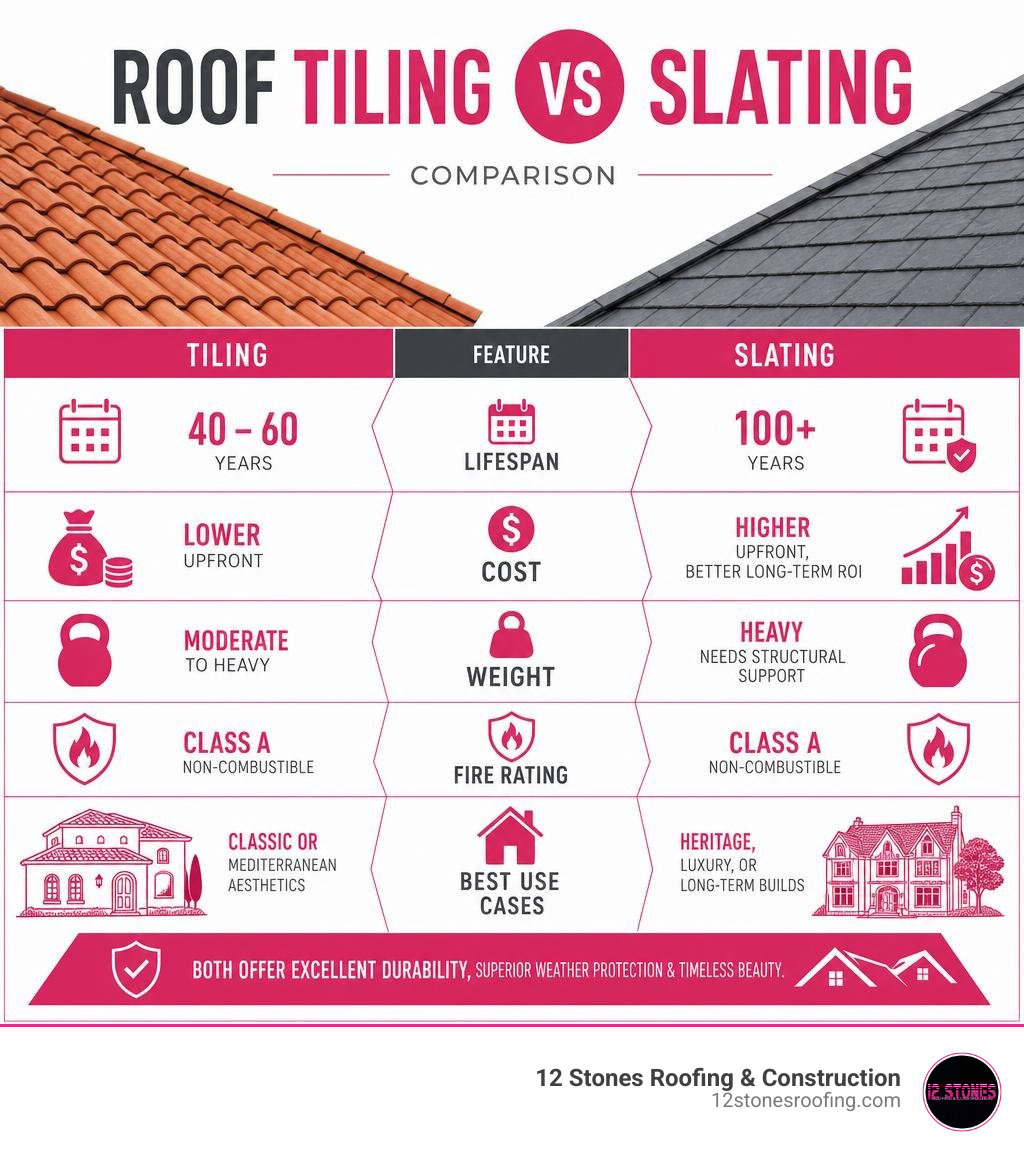
| Feature | Roof Tiling | Roof Slating |
|---|---|---|
| Main Materials | Clay, concrete, terracotta | Natural slate, fibre cement |
| Typical Lifespan | 40–60 years | 100+ years |
| Weight | Moderate to heavy | Heavy (needs structural support) |
| Cost | Lower upfront | Higher upfront, better long-term ROI |
| Best For | Classic or Mediterranean aesthetics | Heritage, luxury, or long-term builds |
| Fire Rating | Class A (non-combustible) | Class A (non-combustible) |
Both systems provide excellent weather protection, strong curb appeal, and long-term value — but they suit different budgets, structures, and climates.
If your home in the Pasadena or Greater Houston area has taken storm damage, or your roof is simply aging out, understanding these two systems is the first step toward making a smart, lasting investment.
Texas weather is unforgiving. High winds, intense heat, sudden hail, and heavy rain put every roofing system to the test year after year. Choosing the wrong material — or having it installed incorrectly — can mean costly repairs, structural damage, and insurance headaches down the road.
That is why this guide covers everything you need: materials, lifespan, installation, maintenance, costs, and when to repair versus replace. Whether you are building new or re-roofing an existing home, this is the information you need to decide with confidence.
For homeowners who want expert guidance from the start, partnering with a trusted Pasadena roofing company ensures your roof is built to handle whatever Texas throws at it.
I’m Jason Roberts, owner of 12 Stones Roofing & Construction — a Service-Disabled Veteran-Owned firm based in Pasadena, Texas, with over a decade of hands-on experience in roof tiling and slating across both residential and commercial properties. Our team works directly with homeowners every day on tile and slate projects, from full replacements to storm damage repairs, and I’ve put everything we’ve learned into this guide.
Relevant articles related to roof tiling and slating:
Guide to Roof Tiling and Slating
When we talk about premium steep-slope roofing systems, roof tiling and slating always top the list. While they are often grouped together, they are distinct crafts requiring specialized tools, mathematical calculations, and installation techniques.

Key Comparison Metrics
Understanding the physical and engineering properties of these materials is crucial before making a selection for your home:
- Structural Weight Loads: Natural slate is incredibly heavy, often weighing between 800 and 1,500 pounds per square (100 square feet). Clay and concrete tiles are also heavy, typically ranging from 600 to 1,100 pounds per square. This requires structural framing verification to ensure your home can support the load.
- Minimum Roof Pitch Requirements: Slate generally requires a minimum roof pitch of 4:12 to ensure proper water shedding and prevent wind-driven rain from backing up under the shingles. Concrete and clay tiles can sometimes be installed on pitches as low as 3:12, provided specialized double-underlayment systems are used.
- Water Absorption Rates: Natural slate is highly impervious to water, boasting an absorption rate of less than 0.4%. Clay tiles are slightly more porous, with absorption rates typically under 6%, while concrete tiles range between 8% and 12%.
Local Expertise
In places like Pasadena, TX, and La Porte, TX, local weather conditions dictate how we approach roofing design. The combination of high humidity, intense UV exposure, and the threat of Gulf Coast hurricanes means we must account for severe wind-uplift pressures and thermal expansion. Our team at 12 Stones Roofing & Construction designs every tile and slate system with heavy-duty mechanical fasteners and hurricane clips to withstand wind speeds of up to 150 mph.
Industry Standards
We never cut corners. All of our natural slate installations strictly adhere to the rigorous guidelines set by the Slate Roofing Contractors Association. These standards ensure that every slate is properly head-lapped, fastened, and detailed to prevent premature system failure.
Materials Used in Roof Tiling and Slating
The materials you choose define not only the aesthetic of your home but also its resilience.
- Natural Slate: Slate is a metamorphic rock formed deep within the earth over millions of years. It is split into thin, flat sheets by hand using traditional hammers and chisels. Because it is a natural product, it features beautiful variations in texture, density, and color.
- Clay Tiles: Made from natural clay baked in high-temperature kilns, clay tiles are highly durable and hold their color indefinitely. The firing process fuses the clay, creating a non-combustible material with a Class A fire rating.
- Concrete Tiles: A mix of Portland cement, sand, and water, concrete tiles are molded under high pressure. They are highly versatile, cost-effective, and can mimic the look of wood shakes, clay, or slate.
Global Supply Data
The global market for natural slate is highly concentrated. Spain is the largest producer in the world, producing more than 580,000 tonnes of slate worth about $380 million in 2012. France is the world’s biggest consumer of slate, followed closely by the UK, USA, and Germany. This global supply chain means that high-quality, ASTM S-1 graded natural slate is imported from top-tier quarries to ensure maximum resistance to acid rain, wind, and hail damage.
Alternative Options
For homeowners who love the look of stone but want different performance or cost options, modern manufacturing has provided excellent alternatives. You can read our detailed concrete roof slates guide to see how modern cement-based slates perform, or explore slate look concrete options to achieve a luxury aesthetic at a more accessible price point.
Lifespan and Durability of Roof Tiling and Slating
One of the primary reasons homeowners invest in roof tiling and slating is their unmatched longevity.
- Natural Slate: Natural slate shingles have proven their reliability for more than 1,000 years. When properly installed with non-corrosive fasteners, a slate roof can easily provide a service life of 100 to 150 years.
- Clay and Concrete Tiles: Clay and concrete tiled roofs typically last 40 to 60 years, depending on materials and maintenance.
Degradation Factors
While the slate stone or clay tile itself is practically indestructible, other components of the roof can degrade over time. In the hot, humid climate of La Porte and Pasadena, UV degradation can break down standard asphalt underlayments. Additionally, poor attic ventilation can trap heat, accelerating the aging of the roof deck. That is why we use premium, high-temperature synthetic underlayments that match the long lifespan of the tiles.
Specialty Applications
These durable materials are also perfect for home additions. If you are adding a sunroom or looking to upgrade an existing structure, check out our tiled conservatory roof guide to learn how a solid tiled roof can improve thermal insulation and make the space usable year-round.
Slate vs. Clay and Concrete Tiles: Pros and Cons
Choosing between these premium materials requires balancing performance, aesthetics, and your budget.
| Metric | Natural Slate | Clay Tiles | Concrete Tiles |
|---|---|---|---|
| Weight per Square | 800–1,500 lbs | 600–1,000 lbs | 700–1,100 lbs |
| Lifespan | 100+ Years | 60–80 Years | 40–50 Years |
| Fire Resistance | Class A | Class A | Class A |
| Wind Resistance | Excellent (Up to 150 mph) | High | High |
| Average Material Cost | High ($$$) | Moderate-High ($$) | Moderate ($) |
Financial Planning
Because these systems represent a significant investment, proper financial planning is essential. We always recommend reading about the real cost of roof slates to make sure you aren’t surprised by structural reinforcement costs or specialty freight fees.
Advantages and Disadvantages of Natural Slate
The Pros
- Unmatched Lifespan: A properly installed slate roof is a once-in-a-lifetime purchase.
- Aesthetic Distinction: The natural sheen, rough-hewn edges, and deep colors of slate offer an elegant, historic look that synthetic materials cannot match.
- Extreme Weather Resistance: Natural slate is highly resistant to hail impact, fire, and high winds.
The Cons
- Structural Load: The immense weight of slate means that many standard homes require structural engineering reinforcement before installation.
- Upfront Cost: Slate is one of the most expensive roofing materials on the market.
- Fragility under Foot: You cannot walk on a slate roof without specialized equipment, as individual shingles will crack under direct pressure.
Sourcing
To keep project costs manageable, sourcing is key. Read our guide on sourcing local slate materials to learn how we find high-quality stone while keeping shipping costs under control.
Advantages and Disadvantages of Clay and Concrete Tiles
The Pros
- Thermal Efficiency: Clay and concrete tiles allow natural air circulation underneath them. This reduces heat transfer into your attic, keeping your home cooler and lowering your energy bills during hot Texas summers.
- Design Versatility: Available in S-tiles, flat profiles, and interlocking designs, they suit everything from Spanish Colonial to modern minimalist homes.
- Fire Protection: Non-combustible clay and concrete provide peace of mind in fire-prone areas.
The Cons
- Color Fading: While clay tiles hold their kiln-baked color forever, lower-end concrete tiles can experience surface fading over several decades due to intense Texas UV rays.
- Weight: Like slate, they require a robust, supportive roof deck.
- Fragility: Walking on clay or concrete tiles can easily break them, requiring professional repairs.
Systems Overview
Modern engineering has made tile roofs more durable than ever. If you are interested in a clean, contemporary look, explore concrete slate tile roof systems to see how interlocking concrete tiles can mimic natural stone at a fraction of the cost.
Installation Methods and Climate Performance
Installing a slate or tile roof is a highly technical process. It requires a deep understanding of water shedding, structural loads, and wind resistance.

Climate Resilience
Our roofs in Pasadena and La Porte must be engineered to withstand severe weather. We design our roof tiling and slating systems to:
- Resist 150 mph winds: Using stainless steel screws or copper nails instead of standard electro-galvanized nails.
- Provide high thermal insulation: Creating an insulating air gap beneath the tiles that acts as a barrier against solar heat gain.
- Shed torrential rain: Utilizing heavy-duty, self-adhering modified bitumen underlayments in all valleys and eaves.
Technical Standards
We follow the strict installation guidelines laid out by the National Roofing Contractors Association for steep-slope roof systems, ensuring that every layer of your roof is built to last.
Slate Shingle Installation Techniques
The installation of natural slate is a true art form.
- Hand-Carving: Every slate is individually inspected. If a slate needs to be trimmed or have its fastener holes punched, it is done by hand on-site using a slating hammer and cutter.
- Fasteners: We use only solid copper or stainless steel nails. Standard nails will rust out in a few decades, causing the slates to slide off long before the stone itself degrades.
- Head-Lap Calculations: We carefully calculate the “head-lap”—the portion of the slate that is overlapped by the two layers above it—based on the slope of your roof to ensure a completely watertight seal.
For a deeper dive into how we handle these projects locally, read our guide on slate shingle installation in Texas.
Clay and Concrete Tile Installation Techniques
Tiled roofs rely on a combination of mechanical interlocking and precise layouts.
- Batten Systems: We install treated timber or metal battens horizontally across the roof deck. The tiles are then hooked onto these battens and secured with fasteners.
- Dry Ridge Systems: Traditional installations used wet mortar to seal the ridge caps. However, mortar is prone to cracking and failing due to building movement and thermal expansion. We utilize modern dry ridge systems, which use mechanical fasteners and weather-resistant rolls to provide superior wind resistance and continuous attic ventilation.
If you are considering a complete material change, you can read about replacing tile roof with Colorbond to compare the structural and aesthetic differences.
Maintenance, Repairs, and Cost Considerations
To get the most out of your premium roof, proactive care is essential.
Preventative Care
We recommend having your roof inspected at least once a year, and immediately after major storm events. Key maintenance steps include:
- Clearing Valley Flashing: Leaves, pine needles, and debris can trap water in the valleys, leading to leaks.
- Gutter Cleaning: Heavy tile and slate roofs need clear gutters to prevent water from backing up under the lower edge tiles.
- Safe Moss Removal: If moss or algae begins to grow in shaded areas, it should be washed off gently with a mild, roof-safe biodegradable cleaner. High-pressure washing should never be used, as it can damage the tile surface.
Industry Best Practices
We align our maintenance and repair protocols with the standards established by the Tile Roofing Industry Alliance, ensuring your manufacturer warranties remain fully intact.
Identifying Roof Damage and Repair Needs
Knowing what to look for can save you thousands of dollars in major water damage.
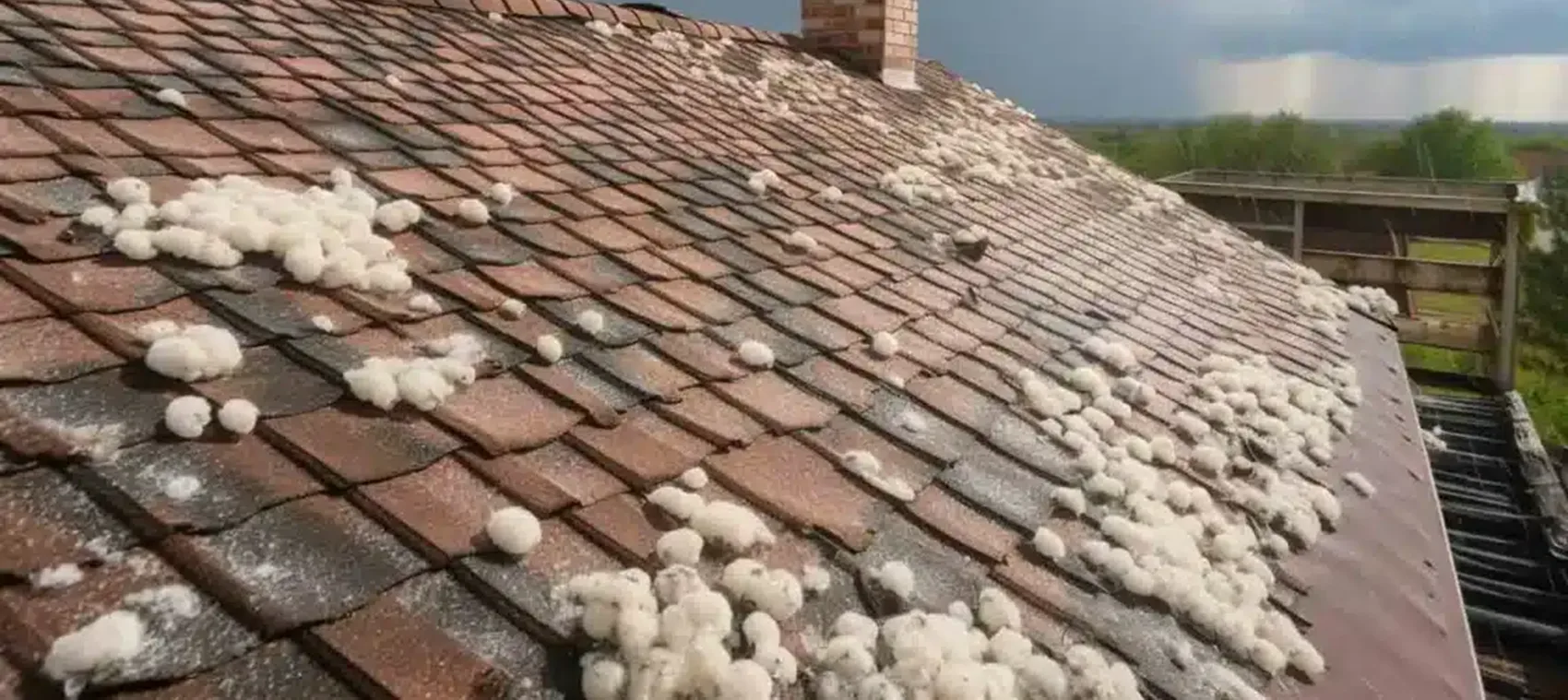
- Cracked or Broken Tiles: Often caused by falling tree limbs, severe hail, or foot traffic.
- Slipped Slates or Tiles: Occurs when fasteners fail or rust out over time.
- Rusted Flashing: Metal flashing around chimneys, valleys, and dormers usually wears out before the tiles do.
- Attic Water Stains: Check your attic periodically for dark spots or damp insulation, which indicate a breached underlayment.
If you spot any of these issues, don’t wait. Review our broken roof tile repair guide or check out our broken roof tile repair cost guide to plan your budget.
Cost Analysis: Slate vs. Tile Roofing
ROI Calculations
While the upfront cost of roof tiling and slating is higher than asphalt shingles, their long-term value is unmatched. An asphalt roof may need to be replaced three or four times over a 100-year period. A natural slate roof will easily last that entire century, saving you the disruption and cost of multiple re-roofing projects.
Cost Benchmarks
The approximate cost of a slate roof typically runs between $600 and $800 per 100 square feet (one square) of roofing area for materials alone, depending on the slate selected. When you factor in specialized labor, structural preparation, and high-performance underlayments, the total cost is a premium investment that significantly boosts your home’s resale value.
To help you budget accurately, read our guide on how to avoid unexpected roofing expenses.
Frequently Asked Questions about Slate and Tile Roofs
How long do slate and tiled roofs last?
Natural slate roofs last between 100 and 150 years, while clay and concrete tile roofs last 40 to 60 years. Regular maintenance of the underlying underlayment, valley metals, and flashing is the primary factor in reaching these maximum lifespans, as these flashing components typically need to be serviced or replaced every 30 to 40 years.
Can you walk on a tiled or slated roof?
No, you should not walk on a tiled or slated roof unless absolutely necessary, and only then using specialized walkboards, foam ladders, or roof jacks. Individual tiles and slates are fragile and prone to cracking under concentrated foot pressure. To learn more about how to safely inspect your roof without causing damage, read our guide on walking on tiled roofs.
How do I know if my slate or tile roof needs to be replaced?
A slate or tile roof requires replacement when more than 20% of the tiles are broken, delaminated, or missing, or when the underlying waterproof underlayment fails, causing widespread active leaks. If the tiles themselves are still in good condition but the underlayment has failed, we can perform a “lift and reset,” where we carefully remove the existing tiles, install new underlayment, and reinstall the original tiles. For local assistance, refer to our tile roof repair in Pasadena.
Conclusion
Investing in roof tiling and slating is one of the best ways to protect your home, elevate its architectural beauty, and secure long-term peace of mind. These historic roofing systems require a high level of craftsmanship, precise engineering, and local expertise to perform flawlessly in our tough Texas climate.
At 12 Stones Roofing & Construction, we take pride in delivering top-tier craftsmanship, transparent communication, and reliable service to our neighbors in Pasadena and La Porte, TX. Whether you need a minor storm repair, an annual inspection, or a complete historic roof replacement, our veteran-led team is ready to help.
Contact us today to explore our Premium tile roofing services and schedule your professional structural assessment.