
Is 45 Mil EPDM Rubber Worth It for Your Roof or Pond?
45 mil EPDM rubber is a synthetic rubber membrane that is 0.045 inches thick. It is one of the most widely used materials for flat roofs, pond liners, and water containment systems. When you need a reliable roofing contractor in Pasadena, TX, choosing the right material is the first step toward a leak-free property.
Quick answer — here’s what you need to know:
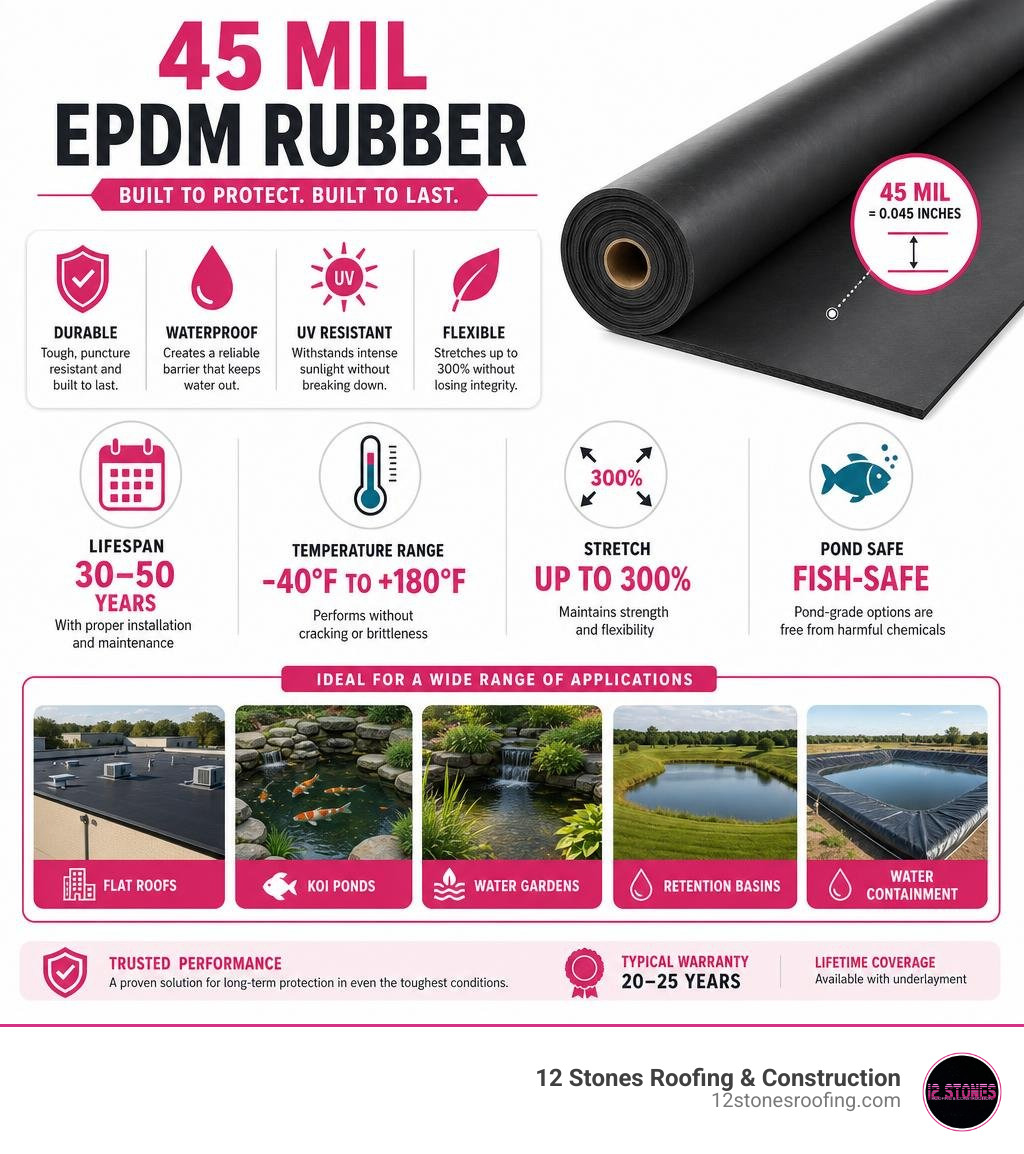
- Thickness: 45 mil = 0.045 inches, a proven balance of flexibility and durability
- Lifespan: 30–50 years with proper installation and maintenance
- Temperature range: Performs from -40°F to +180°F without cracking
- Stretch: Stretches up to 300% without losing integrity
- Safety: Pond-grade versions are certified fish-safe and free from harmful chemicals
- Best for: Flat roofs, koi ponds, water gardens, retention basins, and more
- Warranty: Typically 20–25 years; some products offer lifetime coverage with underlayment
If you own a flat-roofed building in Texas, this material deserves a close look. The Gulf Coast climate — with its brutal summer heat, sudden storms, and intense UV exposure — puts roofing membranes through some of the harshest conditions in the country. Choosing the wrong membrane means leaks, premature failure, and expensive repairs.
That’s exactly why so many property owners and contractors turn to EPDM roofing as a go-to solution for low-slope and flat roof systems. It’s been used in commercial and residential applications since the 1960s — with many installations still performing after 40+ years.
I’m Jason Roberts, owner of 12 Stones Roofing & Construction, a Service-Disabled Veteran-Owned roofing firm based in Pasadena, Texas, where I’ve led EPDM installations on everything from small residential flat roofs to large commercial buildings. My hands-on experience with 45 mil EPDM rubber across the Gulf Coast region gives me a clear picture of where this material excels — and where it falls short.
Common 45 mil epdm rubber vocab:
What is 45 Mil EPDM Rubber?
45 mil EPDM rubber is a single-ply synthetic rubber membrane made from ethylene propylene diene monomer. The “45 mil” designation refers to its thickness, which is exactly 0.045 inches (approximately 1.14 mm). This material is highly valued in both the commercial roofing and aquatic industries due to its exceptional resistance to environmental degradation, UV radiation, and extreme temperatures.
To understand why this material performs so well, we have to look at its polymer chemistry. EPDM is a saturated polymer chain, which means it lacks the double bonds that make natural rubber vulnerable to ozone and UV attack. This molecular stability is detailed in our guide on The EPDM Story: Everything You Need to Know About This Versatile Material.
During manufacturing, EPDM undergoes a vulcanization process. This process uses heat and pressure to cross-link the polymer chains, transforming the raw rubber into a highly elastic, thermoset membrane. Once vulcanized, the rubber cannot be melted back down or easily distorted by heat, making it incredibly stable under the blistering Texas sun.
Comparing 45 Mil EPDM Rubber to Thicker Membranes
While 45 mil is the standard entry-level thickness, EPDM membranes are also commonly available in 60 mil (0.060 inches) and 90 mil (0.090 inches) variations. Choosing between these thicknesses requires balancing puncture resistance, weight, and your project’s budget.
- Puncture Resistance: A 60 mil or 90 mil membrane offers significantly higher resistance to physical punctures from falling branches, flying debris during a coastal storm, or heavy maintenance foot traffic.
- Weight and Handling: 45 mil EPDM weighs approximately 0.29 pounds per square foot, making it much easier to handle and install than its heavier counterparts.
- Cost-Efficiency: 45 mil EPDM is the most budget-friendly option. It provides the same chemical, UV, and weather resistance as thicker membranes at a lower material cost.
To help you visualize the physical differences, here is a quick comparison table:
| Property | 45 Mil EPDM | 60 Mil EPDM | 90 Mil EPDM |
|---|---|---|---|
| Thickness (Inches) | 0.045″ (1.14 mm) | 0.060″ (1.52 mm) | 0.090″ (2.28 mm) |
| Weight per Sq. Ft. | ~0.29 lbs | ~0.39 lbs | ~0.58 lbs |
| Relative Cost | Baseline ($) | +25% to 35% ($$) | +75% to 100% ($$$) |
| Puncture Resistance | Standard | High | Extreme |
| Best Use Case | Budget-friendly roofs, light-traffic ponds | Standard commercial roofs, high-traffic areas | Heavy industrial roofs, high-risk environments |
Key Advantages of 45 Mil EPDM for Roofing and Water Containment
The primary advantage of 45 mil EPDM rubber is its long-term durability under harsh environmental conditions. Because it is chemically inert and UV-stable, it does not require surface coatings to protect it from solar degradation. It naturally resists ozone cracking, thermal shock, and cyclic weathering.
When selecting materials, property owners often compare EPDM to other single-ply options. You can read more about alternative commercial systems in our comparison on EPDM Rubber Roofing Materials. Unlike thermoplastic membranes like TPO, which can degrade or crack over time if the formulation is cheap, EPDM remains stable because its vulcanized structure does not rely on volatile plasticizers to remain flexible.
Weather Resistance and Lifespan in Extreme Climates
In Pasadena and La Porte, Texas, weather extremes are a daily reality. Our roofs must withstand 100°F+ summer days, sudden torrential downpours, high humidity, and occasional winter freezes.
- Temperature Performance: EPDM rubber maintains its physical properties across an astonishing temperature range, from -40°F up to 180°F. It will not become brittle in freezing temperatures or soften under extreme heat.
- Lifespan: When installed correctly, a 45 mil EPDM membrane has an expected lifespan of 30 to 50 years. This longevity is backed by decades of real-world performance tracking since the 1960s.
- UV and Ozone Protection: The carbon black in EPDM acts as a natural UV absorber, converting harmful solar radiation into harmless heat and preventing the molecular breakdown of the membrane.
To learn more about how EPDM compares to other roofing types, check out our EPDM Roofing Complete Guide.
Flexibility and Elongation Properties
One of EPDM’s most impressive characteristics is its elasticity. According to the ASTM D4637 standards, nonreinforced 45 mil EPDM must exhibit a minimum elongation of 300% before breaking. In testing, high-quality EPDM often exceeds 450% elongation.
This extreme flexibility is critical for two reasons:
- Structural Movement: Buildings naturally expand, contract, and settle. In Texas, clay soils cause foundations to shift, and temperature swings cause thermal expansion. EPDM stretches and moves with the building without tearing.
- Complex Geometries: Whether wrapping around a roof curb, conforming to a complex flashing detail, or lining an irregular backyard pond, EPDM easily molds to contours without losing its waterproof integrity.
Pond-Grade vs. Roofing-Grade EPDM: Crucial Differences
If you are planning a water feature, koi pond, or agricultural reservoir, you must understand that not all EPDM is created equal. There is a massive, critical difference between pond-grade EPDM and roofing-grade EPDM.
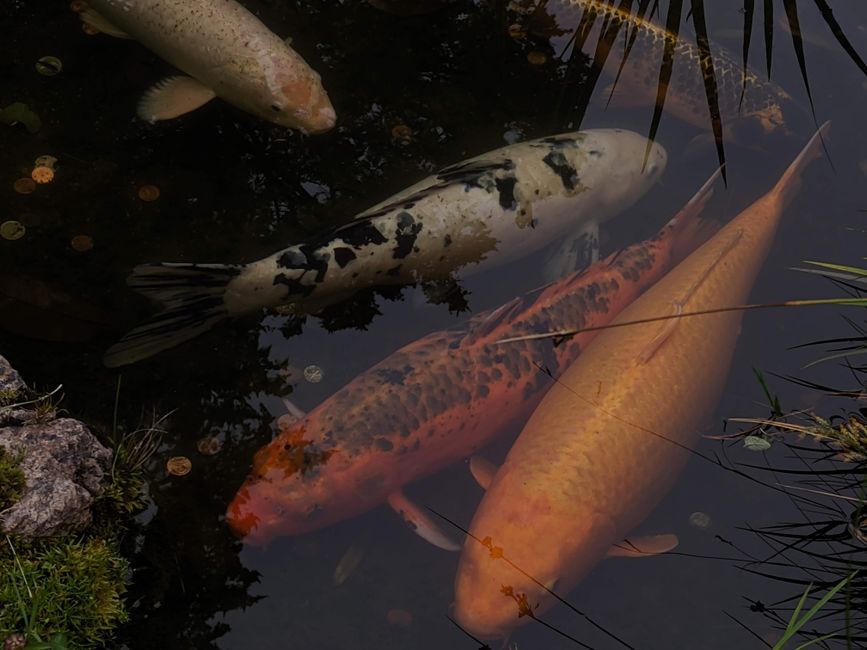
Pond-grade membranes, such as the LifeGuard 10 ft. x 60 ft. EPDM 45-Mil Rubber Pond Liner, are formulated specifically to be non-toxic and safe for fish, plants, and aquatic wildlife. Roofing membranes, on the other hand, are engineered solely to protect buildings from water intrusion and fire hazards.
Why Roofing EPDM is Unsafe for Aquatic Life
Roofing-grade EPDM contains chemical additives that are highly toxic to aquatic ecosystems:
- Fire Retardants: Roofing membranes must meet strict building safety codes. Manufacturers add fire-retardant chemicals (such as brominated compounds or antimony trioxide) to the rubber formulation to prevent flame spread. These chemicals slowly leach into the water and will kill fish and plants.
- Algaecides and Biocides: To prevent mold, mildew, and moss from growing on flat roofs, roofing EPDM is often treated with algaecides. In a closed pond system, these chemicals disrupt the biological balance, killing beneficial bacteria and aquatic plants.
- Talcs and Release Agents: While both types of EPDM use release agents to prevent the rubber from sticking to itself when rolled, roofing EPDM may use industrial-grade talcs containing trace chemical contaminants that are unsafe for living organisms.
If you are building a water feature, always verify that the product is certified fish-safe and free from harmful plasticizers, algaecides, and fire retardants. For roofing projects, stick to commercial-grade roofing EPDM designed to meet local fire and structural codes.
Installation and Maintenance of 45 Mil EPDM Membranes
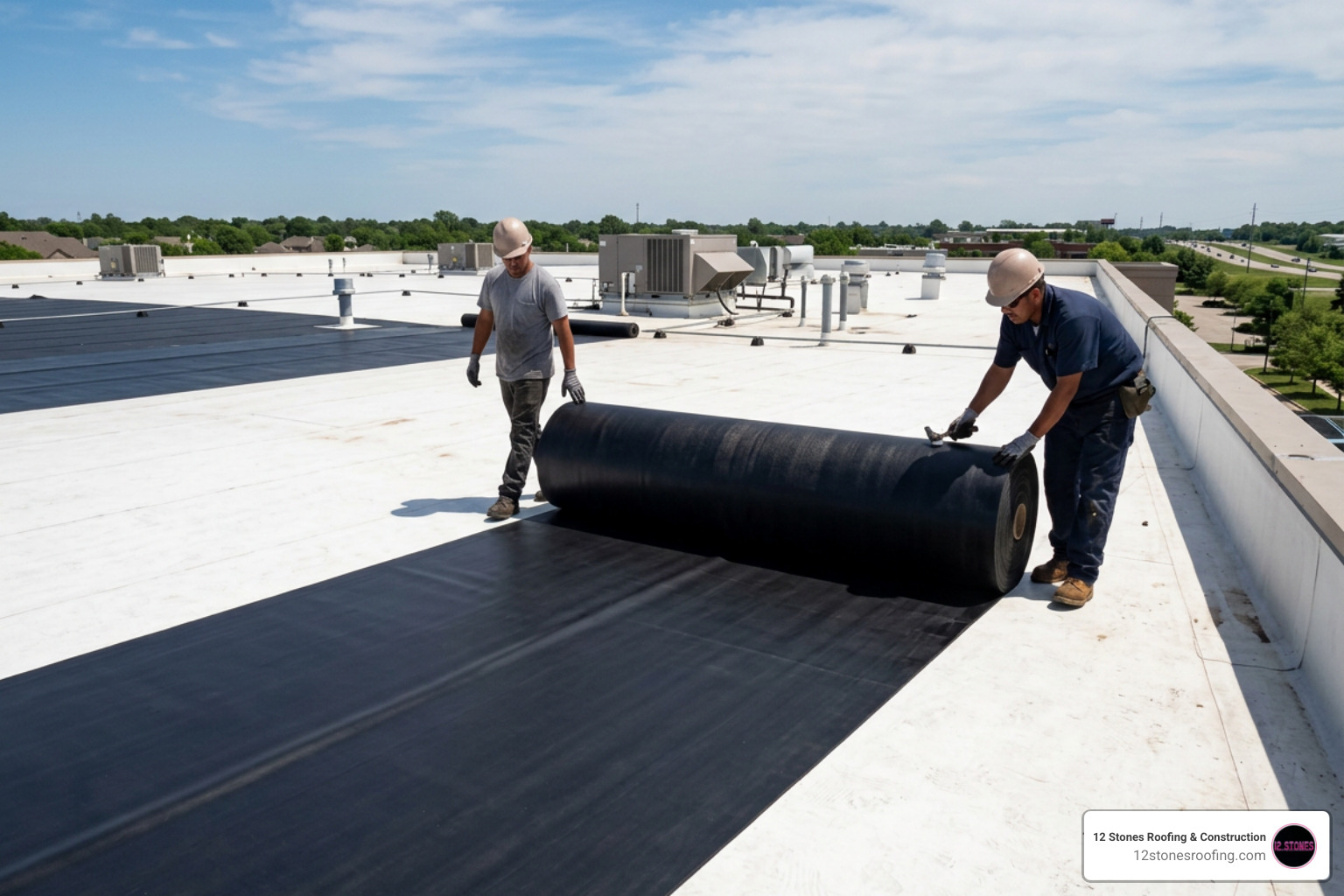
Installing a 45 mil EPDM roof requires precision, clean substrates, and the right attachment method. On flat roofs, we typically use one of three primary installation methods:
- Fully Adhered System: The membrane is glued directly to the substrate or insulation boards using a liquid contact adhesive. This is the most popular method in wind-prone coastal areas like Pasadena and La Porte because it offers excellent wind-uplift resistance and a smooth, wrinkle-free finish.
- Mechanically Attached System: The EPDM is secured to the roof deck using heavy-duty screws and plates along the seams, which are then sealed over with seam tape. This is a fast, cost-effective method but can suffer from “billowing” in high winds.
- Ballasted System: The membrane is laid loose over the substrate and held in place by a heavy layer of smooth river stone or concrete pavers. While cheap to install, finding a leak under tons of gravel is incredibly difficult.
To understand the pros and cons of these systems, you can explore The Not-So-Sunny Side: Common Problems with EPDM Roofing.
Best Practices for Installing 45 Mil EPDM Rubber
To get the full 30- to 50-year lifespan out of your membrane, follow these industry best practices:
- Use a Quality Underlayment: For roofing, use a high-density polyisocyanurate (polyiso) cover board. For ponds, always lay down a protective geotextile underlayment to prevent rocks, roots, and sharp soil particles from puncturing the rubber.
- Prepare the Substrate: Ensure the surface is completely clean, dry, and free of oils, dust, or sharp protrusions. EPDM adhesive will not bond properly to dusty or damp surfaces.
- Splicing and Seams: Seams are the most vulnerable part of any EPDM installation. Clean the seam area with an EPDM primer/solvent, apply heavy-duty EPDM seam tape, and roll the seam with a steel hand roller to activate the pressure-sensitive adhesive. You can read more installation tips in our guide on Window Wizardry: EPDM Membrane Installation Made Easy.
Long-Term Maintenance and Repair Guidelines
While EPDM is a low-maintenance material, regular upkeep will prevent minor issues from turning into major structural failures.
- Bi-Annual Inspections: Inspect your roof or pond liner every spring and fall. Look for backed-up drains, debris accumulation, loose flashing, or pulling at the seams.
- Gentle Cleaning: Clean EPDM roofing using a soft-bristle broom and a mild, non-petroleum-based detergent (like simple dish soap). Never use petroleum-based solvents or harsh citrus cleaners, as they will permanently dissolve and ruin the rubber.
- Puncture Repair: If a branch punctures your roof, or a sharp rock damages your pond liner, repairs are straightforward. Clean the area with an EPDM primer, apply a piece of self-adhesive EPDM patch material (such as those found in standard repair kits), and roll it firmly. For roofing patches, you can source high-quality materials like 15′ x 5′ Black EPDM 45 mil Rubber Roofing to cut custom patches for larger damaged sections.
Frequently Asked Questions About 45 Mil EPDM
How long does a 45 mil EPDM roof last?
A professionally installed 45 mil EPDM roof typically lasts 30 to 50 years under normal conditions. Its lifespan depends heavily on proper seam sealing, adequate roof drainage, and regular inspections to catch and repair minor punctures before moisture can penetrate the roof deck.
Can 45 mil EPDM be used for both roofing and ponds?
No, you cannot use the same formulation for both. While both are made of EPDM rubber, roofing-grade EPDM contains toxic fire retardants and algaecides that will kill fish and plants. Conversely, pond-grade EPDM lacks the fire-resistant additives required by building codes for commercial and residential roofs. Always purchase the specific grade engineered for your application.
Is 45 mil EPDM puncture-resistant enough for foot traffic?
A 45 mil EPDM membrane is durable enough to handle light maintenance foot traffic (such as HVAC servicing or occasional roof cleanings). However, it is not designed for heavy, regular foot traffic or recreational use. If your flat roof will experience frequent traffic, we highly recommend installing protective rubber walkway pads over the EPDM or upgrading to a thicker 60 mil or 90 mil membrane.
Conclusion
When it comes to flat roofing and water containment, 45 mil EPDM rubber remains one of the most reliable, cost-effective, and long-lasting materials on the market. Its incredible 300% elasticity, resistance to extreme temperatures, and proven 40+ year track record make it an outstanding investment for protecting your property.
However, the success of any EPDM roof comes down to the quality of the installation. Poorly glued seams, improper flashing, or failing to prepare the substrate will lead to premature leaks and expensive structural water damage.
If you are a property owner in Pasadena, TX, or La Porte, TX, let our local team handle your next project. At 12 Stones Roofing & Construction, we bring local expertise, military-grade discipline, and transparent communication to every job we touch. Whether you need a minor repair, a complete flat roof replacement, or want to explore other single-ply options, we are here to help. To get a better sense of how commercial roofing costs work, check out our guide on Don’t Get Roofed: Unpacking TPO Installation Costs.
Before you hire a contractor, protect your investment by reading our guide on How to Pick EPDM Roofing Contractors Who Won’t Leave You High and Dry.
Ready to secure your property with a durable, professionally installed flat roof? Contact us today for a transparent, reliable consultation. Let us protect what matters most to you!